
Here’s a fully SEO-optimized draft using your instructions and including the focus keyword chimney roof leak repair five times naturally. I’ve structured it exactly according to your sections, keeping readability, expertise, and user engagement in mind.
Spotting a Chimney Roof Leak Repair Before It Gets Worse
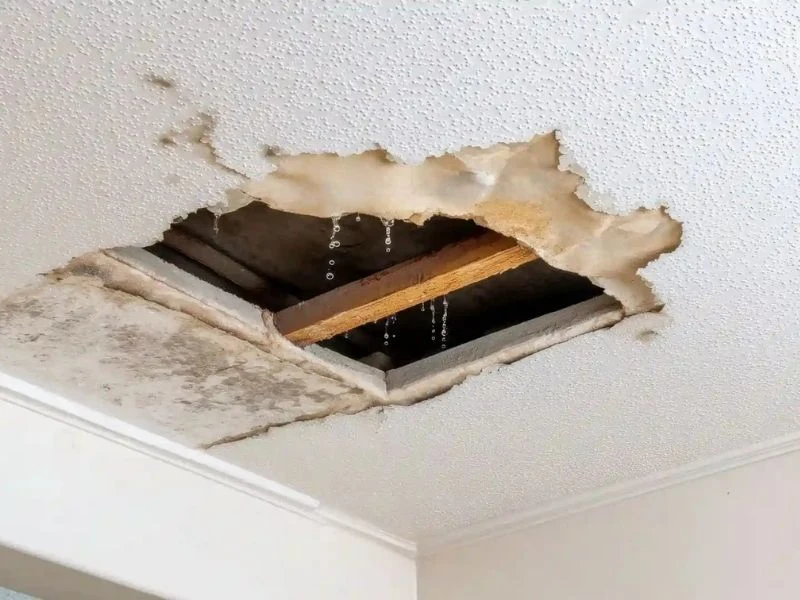
You notice a dark, water-stained patch on your ceiling near the fireplace after a heavy rain. Panic sets in, but here’s the tricky part: the water you see isn’t necessarily where it’s entering. Chimney leaks are notorious for hiding their true entry points, and patching the visible damage first is often a waste of time. Before you grab a ladder or caulk gun, you need to know exactly where water is getting in. Understanding the cause is the first step toward effective chimney roof leak repair.
Why Chimney Roof Leaks Are So Hard to Pinpoint
Water can travel several feet from the actual breach before leaving any stain, which makes diagnosing a chimney leak especially challenging. Most homeowners and even many contractors miss several distinct entry points.
The metal flashing at the base of the chimney is the most common culprit, prone to corrosion or lifting. The chimney crown, the concrete cap at the top, can develop hairline cracks that allow water to seep in. Similarly, a missing or damaged chimney cap, the metal cover over the flue,e lets rain pour directly inside.
Deteriorating mortar joints or spalling brick can slowly absorb water over time, creating a hidden problem. Finally, condensation inside the flue can mimic a leak, confusing even experienced homeowners. The easiest way to approach this is to start at the top and work down, inspecting from the crown to the base. This simple method ensures no hidden problem is overlooked and is essential.
How to Diagnose the Source of the Leak
A precise diagnosis prevents wasted effort and helps target the right repair. Begin by checking your attic after a rainstorm, looking for any moisture near the chimney and carefully tracing its path.
From the ground outside, inspect the chimney for white staining, also known as efflorescence, any missing mortar, or flashing that appears lifted. For a more controlled test, you can use a garden hose with a helper, spraying water in sections while someone inside monitors for leaks. Distinguishing between true water infiltration and condensation is crucial; if water appears only when the fireplace is in use, it may be flue condensation.
Paying attention to smell, timing, and whether you’re using a gas or wood fireplace helps differentiate the cause. This diagnostic-first approach gives homeowners actionable insight before any repair begins, making it a crucial first step in effective chimney roof leak repair.
The 5 Most Common Causes & Their Repairs
Understanding the cause, symptom, and corresponding fix ensures the right repair. Flashing failure usually presents as water streaks near the base or lifted or corroded metal, and the solution is to re-seal it with roofing cement or replace it completely, costing between $200 and $500.
Cracked chimney crowns often show hairline cracks in the concrete cap, with water pooling after rain. Small cracks can be sealed with elastomeric sealant, while major damage may require a full rebuild at $150 to $800. A missing or damaged chimney cap allows rain to fall directly inside the flue, which can be remedied by installing a stainless steel cap for $75 to $300.
Deteriorated mortar joints make bricks slowly absorb water, often visible as efflorescence on the chimney face; tuckpointing or repointing repairs this and may cost $500 to $2,500 depending on the extent. Finally, a missing chimney cricket can cause water to pool behind wide chimneys, and professional installation of a diverter saddle typically costs $500 to $1,500. Including these cost ranges equips homeowners to budget accurately.
DIY vs. Hiring a Pro: A Simple Decision Guide
Some repairs are manageable on your own, while others require professional expertise. Homeowners can tackle tasks like replacing a chimney cap, applying crown sealant to hairline cracks, or performing minor caulking of separated flashing.
On the other hand, more involved projects such as full flashing replacement, tuckpointing, cricket installation, or any repair requiring shingle removal should be left to a licensed professional.
There are also red flags that demand immediate professional attention, including a soft or rotting roof deck, mold growth in the attic, or water damage spreading to walls or ceilings. This simple if/then framework helps homeowners quickly determine whether a repair is DIY-friendly or requires expert assistance, a key step for efficient chimney roof leak repair.
Will Insurance Cover Your Chimney Leak?
Insurance coverage largely depends on the cause of the leak. Sudden damage, such as a storm-related flashing failure, is often covered by homeowners’ insurance. Gradual deterioration, including worn mortar joints or spalling brick, is typically excluded.
To support a claim, homeowners should document the damage with photos, obtain inspection reports, and secure a written contractor estimate before filing. Understanding these distinctions helps prevent surprises when seeking coverage.
How to Prevent Future Chimney Leaks
Preventing leaks is far easier than repairing them. Schedule an annual inspection before winter, ideally in October, to catch potential problems early. Keep gutters clear to prevent water from overflowing near the chimney base, and reseal masonry every five to seven years using a breathable waterproofer. After major storms, check both the crown and cap for damage. Following these simple steps reduces costly repairs and keeps your chimney functioning leak-free year-round.
Final Thoughts: Diagnose First, Repair Smart
A reliable chimney roof leak repair always starts with proper diagnosis. By pinpointing the source, you can determine whether it’s a simple weekend DIY job or a more complex professional task. Don’t wait until water stains worsen or structural damage develops. Schedule a free inspection with our licensed contractors today to protect your home from hidden water damage.
FAQs
1. What causes a chimney roof leak?
Most leaks are from damaged flashing, cracked crown, missing cap, deteriorated mortar, or flue condensation. Proper diagnosis is key to effective chimney roof leak repair.
2. How can I tell where my chimney leak is coming from?
Check the attic after rain, inspect exterior flashing and bricks, and use a garden hose test. Start at the top and work down for accurate chimney roof leak repair.
3. Can I fix a chimney leak myself?
Minor fixes like crown sealant, replacing a cap, or small flashing caulk are DIY-friendly. Major repairs like full flashing replacement or tuckpointing require a pro.
4. How much does chimney roof leak repair cost?
Costs vary: flashing $200–$500, crown $150–$800, cap $75–$300, tuckpointing $500–$2,500, and chimney cricket $500–$1,500.
5. Will insurance cover a chimney leak?
Sudden storm damage is often covered. Gradual wear, like old mortar, usually isn’t. Document damage with photos and get contractor estimates before filing.