
San Antonio homeowners know all too well the destructive power of severe weather. From intense thunderstorms and hail to occasional tornadoes, our region faces its fair share of meteorological challenges that can wreak havoc on residential roofing systems. When storm roof damage strikes your home, understanding the repair process and knowing what steps to take can mean the difference between a quick recovery and months of ongoing problems. At SoTex Roofing and Exteriors, we’ve helped countless San Antonio families navigate the complexities of post-storm restoration, and we’re here to guide you through everything you need to know about addressing storm roof damage effectively.
Understanding the Scope of Storm Roof Damage
Storm roof damage comes in many forms, each requiring different approaches to repair and restoration. High winds can lift and tear shingles, leaving your roof deck exposed to the elements. Hail can create dents, cracks, and punctures in roofing materials, compromising their protective capabilities. Heavy rain can exploit even minor vulnerabilities, leading to leaks that damage not only your roof structure but also your home’s interior, insulation, and personal belongings.
The aftermath of a severe storm often reveals damage that isn’t immediately visible from the ground. Missing granules on asphalt shingles, cracked flashing around chimneys and vents, and damaged gutters are common issues that homeowners might overlook initially. However, these seemingly minor problems can quickly escalate into major structural concerns if left unaddressed. Understanding the full spectrum of potential storm roof damage helps homeowners make informed decisions about repairs and prevents small issues from becoming costly disasters.
Immediate Steps After Storm Damage Occurs
The moments following a severe storm are crucial for protecting your home and documenting any damage that has occurred. Your first priority should always be safety – never attempt to climb onto a damaged roof or inspect areas where power lines may have fallen. Instead, conduct a preliminary assessment from the ground, looking for obvious signs of storm roof damage such as missing shingles, damaged gutters, or debris on your roof.
If you notice any immediate threats like water entering your home, take temporary measures to minimize further damage. This might include placing buckets under leaks, covering damaged areas with tarps (if it’s safe to do so), and moving valuable items away from affected areas. Document everything with photographs and notes, as this information will be essential for insurance claims and repair estimates. Contact a professional roofing contractor as soon as possible to conduct a thorough inspection and provide expert guidance on addressing your storm roof damage.
The Professional Inspection Process
A professional roof inspection following storm damage is far more comprehensive than what most homeowners can accomplish on their own. Experienced roofing contractors have the training, equipment, and expertise necessary to identify both obvious and subtle signs of storm roof damage. They’ll examine your roof’s surface, structural components, drainage systems, and surrounding areas to create a complete picture of the damage and necessary repairs.
During the inspection, professionals will look for compromised shingles, damaged flashing, clogged or damaged gutters, and signs of water infiltration. They’ll also assess the condition of your roof deck, checking for sagging, soft spots, or other structural issues that may have resulted from the storm. This thorough evaluation allows them to prioritize repairs based on urgency and provide accurate estimates for addressing all aspects of your storm roof damage. Having a detailed professional assessment also strengthens your position when working with insurance companies, as it provides documented evidence of the damage and necessary repairs.
Working with Insurance Companies
Navigating insurance claims for storm roof damage can be complex, but understanding the process helps ensure you receive fair compensation for necessary repairs. Most homeowner’s insurance policies cover storm-related damage, but the extent of coverage and the claims process can vary significantly between providers. Contact your insurance company as soon as possible after discovering damage to initiate the claims process and schedule an adjuster’s visit.
When the insurance adjuster arrives, having your own professional inspection report can be invaluable. Insurance adjusters are skilled at identifying damage, but they’re also working to minimize payouts for their companies. Having an independent assessment of your storm roof damage from a reputable local contractor ensures that all damage is properly documented and considered in your claim. Be prepared to provide photographs, documentation of the storm event, and detailed information about the age and condition of your roof prior to the damage.
Choosing the Right Repair Contractor
Selecting a qualified contractor to address your storm roof damage is one of the most important decisions you’ll make during the recovery process. Unfortunately, severe weather events often attract unscrupulous contractors who prey on vulnerable homeowners. To protect yourself, always work with local, established roofing companies that have strong reputations in the San Antonio community.
Look for contractors who are properly licensed and insured, with specific experience in storm roof damage repair. They should be willing to provide references from recent customers and demonstrate knowledge of local building codes and permit requirements. Be wary of door-to-door solicitors who pressure you to sign contracts immediately or demand full payment upfront. Reputable contractors will provide detailed written estimates, explain their repair process thoroughly, and work with you to schedule repairs at a reasonable pace that doesn’t compromise quality.
Types of Storm Roof Repairs
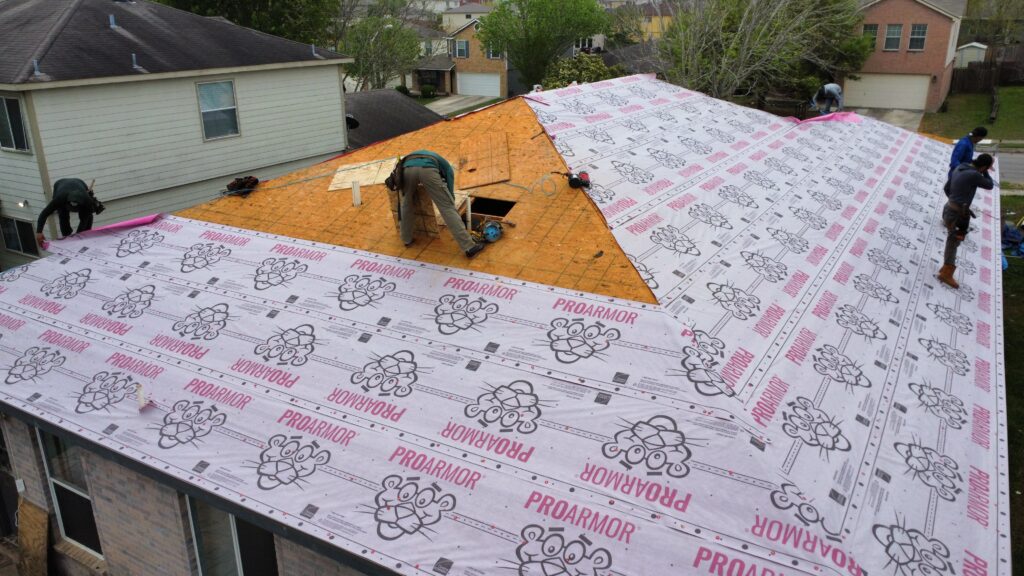
The specific repairs needed for storm roof damage depend on the type and extent of damage your roof has sustained. Minor damage might require replacing a few missing shingles or resealing small areas of flashing, while severe damage could necessitate complete roof replacement. Common storm-related repairs include replacing damaged shingles, repairing or replacing flashing around roof penetrations, fixing or replacing damaged gutters and downspouts, and addressing any water damage to roof decking or underlying structures.
In cases where storm roof damage is extensive, repairs might need to be completed in phases. Emergency repairs to prevent further water infiltration often take priority, followed by more comprehensive restoration work. Your contractor should provide a clear timeline for all necessary repairs and explain how they’ll protect your home throughout the process. Understanding the scope of required repairs helps you plan accordingly and ensures that all aspects of your storm roof damage are properly addressed.
Preventing Future Storm Damage
While no roof can be made completely storm-proof, there are steps homeowners can take to minimize the risk of future storm roof damage. Regular maintenance and inspections help identify and address minor issues before they become major vulnerabilities during severe weather. This includes keeping gutters clean and properly secured, ensuring adequate attic ventilation, and promptly addressing any loose or damaged roofing materials.
Consider upgrading to more durable roofing materials if your current roof is nearing the end of its useful life. Impact-resistant shingles, reinforced flashing, and improved drainage systems can all help your roof better withstand severe weather. At SoTex Roofing and Exteriors, we work with homeowners to identify practical improvements that can reduce the likelihood and severity of future storm roof damage while staying within budget constraints.
Dealing with storm roof damage is never convenient, but taking the right steps from the moment damage occurs through the completion of repairs ensures the best possible outcome for your home and family. By understanding the repair process, working with qualified professionals, and taking proactive steps to prevent future damage, San Antonio homeowners can weather any storm with confidence.