Understanding san antonio texas climate roofing requirements is essential for homeowners and builders who want roofs that can withstand the region’s intense heat, UV exposure, sudden storms, and seasonal humidity. Because the local climate places unique stress on roofing materials, knowing the specific standards, recommended products, and code expectations helps ensure long-lasting durability and proper protection for any residential or commercial structure in San Antonio.
Learn San Antonio Texas Climate Roofing Requirements
Roofing codes establish minimum requirements that all roofing systems must meet to ensure safety, durability, and energy efficiency. These standards evolve with advances in construction technology and shifting climate conditions.
For homeowners in San Antonio, staying informed about roofing compliance regulations isn’t just about legal obligations, it’s about protecting your most significant investment.
Most Texas municipalities, including San Antonio, have adopted either the International Building Code (IBC) or the International Residential Code (IRC) with amendments tailored to the region’s weather patterns. When planning a roof replacement or major repair, consider Roof replacement in San Antonio. Understanding these Roofing Codes and Standards will help you make informed decisions and avoid costly mistakes.
Wind Resistance Requirements in Roofing Regulations
One crucial aspect of Roofing Codes and Regulations for roofing involves wind resistance. San Antonio sits in a region prone to severe thunderstorms and occasional hurricane impacts. As a result, your roof must be designed to withstand specific wind speeds, typically ranging from 90 to 120 mph depending on your exact location.
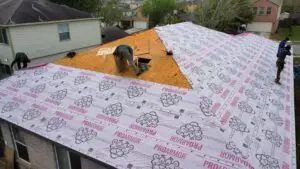
These wind resistance requirements influence everything from shingle selection to fastening methods. Under current Roofing Codes and Standards, roofing materials must be rated for the designated wind zone, and proper installation techniques are mandated to ensure your roof won’t succumb to strong gusts during severe weather events. This includes specific nailing patterns, appropriate underlayment, and proper flashing installations
Fire Resistance Standards in Texas Roofing Codes
Fire safety represents another critical component of Roofing Codes and Standards for roofing. Texas experiences drought conditions that can increase wildfire risks, making fire-resistant roofing materials essential in many areas. The building codes classify roofing materials according to their fire resistance, with Class A offering the highest protection.
In many Texas municipalities, Roofing Codes and Regulations require a minimum Class C fire rating for residential roofing materials, though some areas with higher wildfire risks may mandate Class A or B. Materials like asphalt shingles, clay tiles, metal roofing, and concrete tiles typically meet these requirements when properly installed, but it’s always wise to verify specific ratings when selecting materials.
Energy Efficiency Requirements Under Roofing Regulations
With our scorching summers, energy efficiency has become increasingly important in Roofing Codes and Standards for roofing systems. The state has adopted portions of the International Energy Conservation Code (IECC), which establishes minimum R-value requirements for roof insulation and promotes cool roofing technologies.
These energy-focused Roofing Codes and Regulations aim to reduce heat transfer through your roof, keeping your home cooler in summer and potentially lowering your energy bills. Cool roofing materials with high solar reflectance and thermal emittance properties are particularly valuable in our San Antonio climate, reflecting sunlight and releasing absorbed heat more efficiently than standard materials.
Proper Ventilation Mandates in Roofing Regulations
Proper attic ventilation isn’t just a recommendation – it’s a requirement under Roofing Codes and Standards. Adequate ventilation extends the life of your roofing system by preventing moisture buildup and reducing extreme temperature fluctuations in your attic space.
Current Roofing Codes and Regulations typically require a balanced ventilation system with intake vents at the eaves or soffits and exhaust vents near the ridge. The standard formula calls for 1 square foot of net free ventilation area for every 150 square feet of attic floor space, though this ratio can be modified to 1:300 when certain vapor barriers are present or when the ventilation is properly balanced between intake and exhaust.
Flashing and Waterproofing Requirements
Texas experiences intense rainfall during storm events, making proper flashing and waterproofing crucial elements of Roofing Codes and Standards for roofing. These codes specify requirements for flashing at roof penetrations, valleys, wall intersections, and eaves to prevent water intrusion.
Under current Roofing Codes and Regulations, flashing materials must be corrosion-resistant and properly integrated with the roofing system. Ice and water shield membranes are often required in sensitive areas like valleys and eaves, providing additional protection against water damage during heavy downpours common to San Antonio weather patterns.
Permit and Inspection Requirements
Perhaps one of the most overlooked aspects of Roofing Codes and Standards for roofing involves the permit and inspection process. In San Antonio and surrounding areas, most roofing projects beyond minor repairs require permits and must pass inspections at various stages of installation.
These inspections ensure compliance with Roofing Codes and Regulations and protect homeowners from substandard workmanship. Working with a reputable local contractor like SoTex Roofing and Exteriors ensures your roofing project meets all code requirements and passes necessary inspections without unnecessary delays.
Navigating Roofing Regulations with Professional Help
Understanding and implementing Roofing Codes and Standards for your roofing project doesn’t have to be intimidating. Working with experienced professionals who understand local requirements can streamline the process and ensure your new roof not only meets but exceeds minimum standards.
At SoTex Roofing and Exteriors, we pride ourselves on staying current with all roofing regulations affecting residential roofing. Our team works closely with local building departments to ensure every project we undertake meets all requirements while delivering the quality and durability San Antonio homeowners deserve.
Final takeaway
Your roof is too important to leave to chance or cut corners on code compliance. The Texas building codes governing roofing systems exist to protect your home, increase energy efficiency, and ensure durability in our challenging climate. When planning your next roofing project, partner with professionals who understand these codes and can help you navigate them successfully. For expert guidance on meeting and exceeding Texas building codes for your roofing project.
Contact SoTex Roofing and Exteriors today. Our team of San Antonio roofing specialists is ready to help you create a roofing system that’s not just code-compliant but perfectly suited to your home’s specific needs and our unique Texas climate.