
Transforming your backyard into a year-round retreat often begins with weather resistant patio covers that blend durability with high-end aesthetics. For many homeowners, the constant frustration of canceling outdoor plans due to unpredictable rain or scorching heat is a common headache. This guide moves beyond simple umbrellas to explore permanent, engineered solutions designed to withstand high winds, heavy snow loads, and intense UV exposure.
Why Choosing Weather Resistant Patio Covers in Texas Matters
If you’ve been searching for patio solutions, you might be wondering whether you need a soft furniture cover or a full structural patio cover. It’s a common point of confusion. Furniture covers are lightweight fabric products designed to protect individual pieces like chairs, grills, or tables. Structural patio covers, on the other hand, are permanent outdoor additions attached to your home or installed as freestanding structures to protect your entire outdoor living space.
If you live in Texas, a flimsy pergola kit from a big-box store isn’t going to cut it. Here’s why material choice makes or breaks your outdoor investment. Storm damage and wind loads in South Texas demand more than “basic weather protection.” Choosing Weather Resistant Patio Covers ensures your backyard remains functional, comfortable, and structurally sound for decades rather than just a few seasons.
Why Texas Weather Demands More From Patio Covers
Texas weather isn’t just hot, it’s extreme. Summers frequently exceed 100°F, and prolonged UV exposure can bleach, weaken, and warp lower-quality materials. Plastic panels become brittle, untreated wood dries out and cracks, and inferior coatings fade unevenly.
Then there’s hail. The San Antonio corridor regularly experiences hailstorms capable of damaging roofs, vehicles, and outdoor structures. Patio covers must withstand sudden impact without denting or splitting, which means material thickness and structural reinforcement matter more here than in many other states.
High winds and fast-moving storm cells are another threat. Sudden gusts can create uplift pressure that tears poorly secured covers away from the home. Attachment systems, anchoring methods, and engineering standards all determine how well a structure performs during severe weather.
Although freeze-thaw cycles are less common in South Texas, they do occur. When moisture seeps into small cracks and temperatures drop below freezing, expansion can widen those cracks and accelerate deterioration. That’s why investing in properly engineered Patio Covers built for Texas conditions is critical, not optional. A cover designed for light coastal rain simply won’t survive long under the South Texas sun and storms.
Structural Patio Covers vs. Furniture Covers: Know the Difference
Soft furniture covers serve a purpose. They keep dust and rain off outdoor seating, but they are temporary, removable, and limited in scope. They do nothing to reduce radiant heat across your patio slab, protect guests from heavy rainfall, or create a shaded entertainment zone.
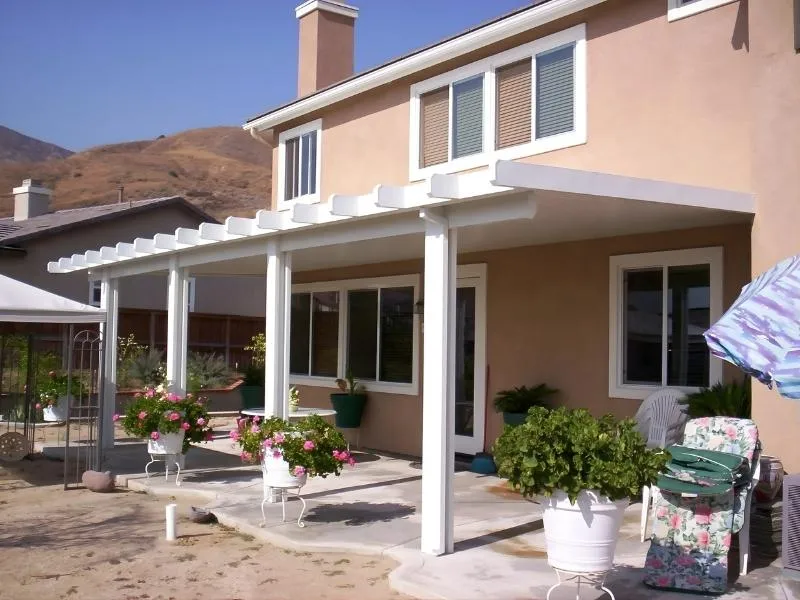
Structural patio covers are professionally installed systems designed to become a permanent extension of your home. They provide overhead protection, increase usable square footage, and enhance property value. This article focuses strictly on structural solutions, the kind that transform patios into year-round outdoor living spaces. Understanding that difference helps homeowners avoid buying the wrong solution and wasting money.
Best Materials for Weather-Resistant Patio Covers in Texas
Choosing the right material determines how long your patio cover lasts and how much maintenance it requires. When viewed through a Texas climate lens, some materials clearly outperform others. Aluminum is widely considered the best all-around material for Texas homeowners. It is naturally rust-resistant and performs exceptionally well under prolonged UV exposure.
Powder-coated finishes provide additional protection against fading and corrosion. Aluminum is lightweight but strong, making it ideal for both solid insulated panels and adjustable louvered systems. Because it reflects heat effectively, insulated aluminum panels can significantly reduce patio temperatures during peak summer months.
Lifespan ranges from 30 to 50 years with minimal upkeep, and the installed cost typically falls between $3,000 and $8,000+, depending on size and customization. Steel provides maximum structural strength and is ideal for larger spans or properties located in hail-prone areas. Galvanized or coated steel resists rust but does require proper finishing to withstand humidity.
Steel patio covers feel solid and offer storm-grade durability. Lifespan ranges from 20 to 40 years with maintenance, and the installed cost typically ranges from $4,000 to $10,000+. Steel is often chosen by homeowners who prioritize strength above all else.
Composite or engineered wood materials provide the visual warmth of wood without the same level of maintenance. They resist rot, insects, and temperature fluctuations better than natural lumber. UV stabilizers help prevent fading, though darker finishes may still absorb heat. These systems typically last 15 to 25 years, with installed costs ranging from $5,000 to $12,000+. They are ideal for homeowners who value aesthetics but still want modern durability.
Natural wood, while beautiful initially, struggles in Texas. Constant sun exposure leads to warping and cracking, humidity encourages mold and mildew, and ongoing staining and sealing are required to preserve appearance and integrity. Over time, maintenance costs often outweigh initial savings.
For this reason, wood is generally not recommended for long-term durability in South Texas climates. When comparing all options, homeowners consistently find that properly installed Weather Resistant Patio Covers made from aluminum or steel provide the best balance of performance and value.
Design Features That Boost Weather Resistance
Material choice is only part of the equation when it comes to long-term durability. Structural design plays an equally important role in how well a patio cover performs under Texas weather conditions. A properly engineered roof pitch helps prevent water pooling, which reduces structural stress and minimizes the risk of leaks over time. Even small slope adjustments can significantly improve drainage performance and extend the life of the structure.
Built-in gutter systems further enhance protection by channeling rainfall safely away from your patio and your home’s foundation, preventing erosion and standing water. Louvered systems add another layer of functionality by allowing adjustable airflow; during high winds, partially open louvers can reduce wind resistance compared to fully solid panels, while solid insulated panels provide maximum shade and dependable rain protection.
Attachment methods are equally critical. The way a patio cover connects to your home’s fascia or exterior wall directly impacts wind uplift resistance. Reinforced ledger boards and properly installed structural anchors ensure long-term stability. Finally, UV-rated coatings protect against fading, chalking, and surface breakdown.
Not all powder coatings perform the same, so it’s important to ask about UV performance ratings, particularly when selecting lighter colors. High-quality Weather Resistant Patio Covers integrate all of these features from the beginning rather than treating them as optional upgrades.
Permits, HOA & What Texas Homeowners Need to Know
In most Texas cities, including San Antonio, building permits are required for attached patio covers to ensure the structure meets wind load and safety standards. HOAs across Bexar County frequently regulate patio cover height, materials, and color schemes, and failing to obtain approval can lead to fines or forced modifications.
Licensed contractors typically handle the permitting process and submit structural plans on your behalf. This not only saves time but also protects resale value, since DIY installations without permits can complicate future home sales. Before installation, always secure written HOA approval and confirm compliance with local building codes.
How to Choose the Right Patio Cover for Your Home
Start by identifying your priorities. If your budget is under $5,000, aluminum flat panel systems are often the most practical starting point. If your property experiences frequent hail or requires large structural spans, steel may be worth the investment. If aesthetics are your top priority, composite or insulated aluminum panels provide both beauty and resilience.
If ventilation and airflow matter most, louvered aluminum systems offer adjustable comfort. And if you live in an HOA community, verify approved materials and colors before signing any contract.
Long-Term Value and ROI
A professionally installed patio cover increases functional living space without the cost of a full room addition. It improves outdoor comfort, enhances curb appeal, and may increase property value. Shaded patios reduce indoor cooling demands by limiting solar heat gain near exterior walls and doors. Over time, durable patio covers pay for themselves by reducing maintenance and preventing weather-related damage to furniture and exterior finishes.
Final Thoughts: Build It Right the First Time
Choosing the right patio cover today prevents expensive repairs tomorrow. Texas weather is unforgiving, and cutting corners on materials or installation rarely ends well. By selecting high-quality Weather Resistant Patio Covers designed specifically for San Antonio and Bexar County conditions, homeowners protect both their outdoor space and their long-term investment.
If you’re ready to upgrade your backyard with a durable, professionally engineered solution, schedule a free on-site consultation today. A properly designed patio cover doesn’t just add shade, it adds value, protection, and peace of mind for years to come.
FAQs
1. What is the difference between furniture covers and structural patio covers?
Furniture covers only protect individual chairs or tables, while structural covers are permanent installations that shield the entire outdoor living space.
2. Which materials hold up best in Texas weather?
Aluminum and steel are the most durable, resisting rust, UV, and hail. Composite offers aesthetics with moderate maintenance, while natural wood needs frequent care.
3. Do I need city permits to install a patio cover?
Yes, most cities, including San Antonio, require building permits. HOAs may also have rules on height, materials, and color before installation.
4. How do patio covers protect my home and patio?
They provide shade, reduce heat exposure on surfaces, keep rain off furniture, and protect against wind damage, extending the life of outdoor spaces.
5. What is the expected lifespan of a patio cover?
Depending on the material, it can last 15 to 50 years. Aluminum lasts longest with minimal upkeep, while wood and some composites need more maintenance