When a hurricane hits, your roof takes the first and hardest punch. Wind tries to peel materials upward, debris can puncture weak spots, and wind-driven rain looks for any tiny gap to force its way inside. That’s why roof hurricane protection isn’t just a “nice upgrade,” it’s one of the smartest ways to reduce damage, lower repair bills, and protect everything under your roofline.
The numbers are a wake-up call. In the U.S., tropical cyclones (hurricanes) are among the most expensive disaster types, causing the most serious total damages over time in NOAA’s billion-dollar disaster tracking. NCEI+1 And when a major storm makes landfall, insured losses alone can reach historic levels. Hurricane Katrina remains the costliest U.S. hurricane for insurers, according to the Insurance Information Institute (III). III Your roof is your home’s protective shell—strengthen it, and you dramatically improve your odds.
Why Hurricanes Are So Hard on Roofs
Hurricanes don’t “just blow shingles off.” They attack your roof in multiple ways at once, and failures usually start at the edges, corners, and openings.
Wind uplift and pressure dynamics
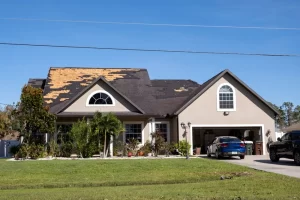
As wind moves over a roof, it creates pressure differences that can generate powerful uplift forces—especially at roof edges and overhangs. FEMA notes that roof borders are frequently more vulnerable to wind uplift pressures and wind-driven rain entry than other areas. FEMA Once wind gets under a loose shingle tab, lifted flashing edge, or poorly sealed seam, it can cascade into a bigger failure fast.
Flying debris and impact damage
Hurricanes turn everyday items into projectiles, such as tree limbs, patio furniture, fence pieces, and even roof gravel in some areas. Impacts can crack tiles, puncture underlayment, and expose the roof deck.
Water infiltration risks
Even if the roof “looks fine” from outside, wind-driven rain can enter through lifted shingles, failed flashing, ridge vents, and roof-to-wall intersections. FEMA guidance repeatedly highlights how wind and rain work together to exploit weak points. FEMA+1
Best Hurricane-Resistant Roofing Materials
Choosing the right material is a major part of roof hurricane protection, but it only works when paired with proper installation and the right connection details.
Metal roofing (wind resistance up to 140+ mph)
When properly installed with the correct fasteners and edge details, metal roofing is a top choice in hurricane regions because it sheds wind and rain well and is less likely to tear away panel-by-panel than weaker systems. Pros: excellent wind performance, long lifespan, low maintenance. Cons: higher upfront cost, needs skilled installers to avoid leaks at penetrations and seams.
Impact-resistant asphalt shingles
Not all shingles are equal. Impact-resistant shingles are designed to better handle strikes from hail/debris and resist tearing in strong gusts when installed with the right nailing pattern. Pros: familiar look, often more affordable than metal, easier repairs. Cons: quality varies widely; poor installation defeats the benefits.
Concrete and clay tiles
Tile roofs can perform well, but they’re not automatically “hurricane-proof.” They require strong decking, proper fastening, and attention to uplift at edges and ridges. Pros: durable, fire-resistant, long lifespan. Cons: heavy (structure must support it), individual tiles can become debris if not properly secured.
Quick comparison (what most homeowners should know)
-
Best overall wind + longevity: metal roofing
-
Best “value upgrade” from standard roofs: impact-resistant shingles
-
Best for longevity + style (with correct engineering): concrete/clay tile
No matter what you choose, the roof system is only as strong as the deck attachment, edges, flashing, and connections.
(And yes—done right, metal roofing can be one of the strongest options for storm regions.)
Critical Roof Hurricane Protection Features That Matter Most
Materials help, but details win (or lose) hurricanes. Focus on these upgrades first.
Hurricane straps and clips
If the roof structure isn’t well tied into the walls, wind uplift can compromise the whole system. Hurricane straps and clips strengthen the roof-to-wall connection so the “lid” of your home is less likely to shift or lift. This is foundational—because if the structure connection fails, the best shingles in the world won’t save you.
Proper underlayment and flashing
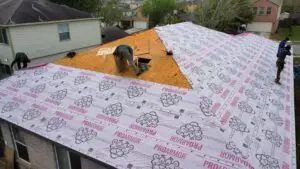
Underlayment is your backup water barrier when wind damages the top layer. FEMA guidance emphasizes that wind-driven rain entry is a major issue—especially around edges and penetrations. FEMA High-quality underlayment plus correctly installed flashing reduces the chance that a small failure becomes interior water damage.
Sealed roof deck (a major upgrade)
A sealed roof deck helps block water from pouring into the attic if the roof covering is blown off. IBHS notes that FORTIFIED standards require sealing the roof deck to reduce water intrusion when the roof covering is compromised. FORTIFIED – A Program of IBHS. This single upgrade can dramatically reduce “rain inside the house” scenarios.
Optimal roof shapes for wind resistance
Simple shapes generally handle wind better. Complex rooflines create more edges and pressure zones—more places for wind to grab. Even if you can’t change your roof shape, you can strengthen the vulnerable areas (edges, ridges, valleys, and roof-to-wall intersections).
Reinforced connection points
Pay attention to:
-
Roof decking attachment (nails/fasteners spacing and type)
-
Edge metal/drip edge and starter rows
-
Ridge/hip caps
-
Around skylights, chimneys, vents, and valleys
These are common failure points in high-wind events. FEMA
(If you’re investing in roof hurricane protection, hurricane straps plus sealed deck plus edge detailing is a powerful combination.)
Pre-Hurricane Season Preparation Checklist
You don’t want to “discover” a roof issue when the forecast cone is already over your city. Here’s what to do early.
Professional inspection timeline
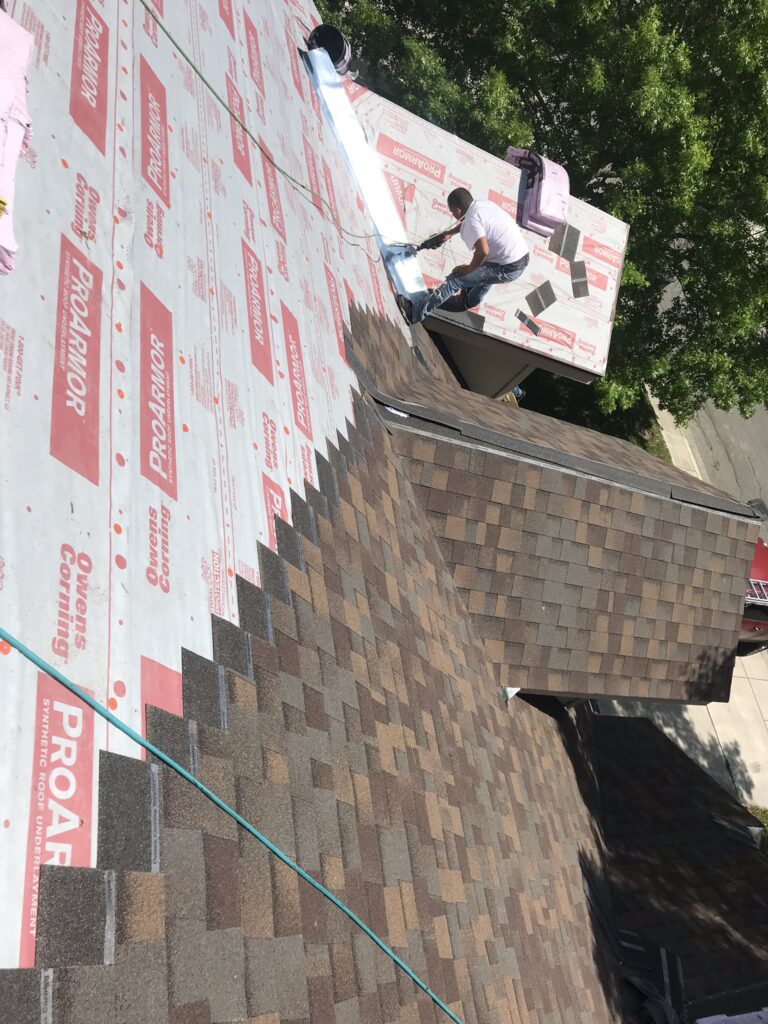
Schedule a professional roof inspection well before peak season. A roofer can spot loose flashing, nail pops, deteriorated sealant, soft decking, and weak edge details that aren’t obvious from the ground.
Shingle and flashing inspection
Look for lifting shingle tabs, missing granules, cracked sealant, loose pipe boots, and rusted or bent flashing. Roof borders and overhangs are especially important because they’re frequently more vulnerable to wind and wind-driven rain. FEMA
Gutter cleaning and drainage maintenance
Clogged gutters can cause water backup at the roof edge. In heavy wind-driven rain, that increases the chance of water intrusion at fascia and soffit areas increases.
Tree trimming guidelines
Trim back branches that can strike the roof or drop debris during gusts. Also, secure loose outdoor items because what’s in your yard can cause roof damage.
Emergency Roof Hurricane Protection Measures
Sometimes storms move fast. If you’re close to landfall and you’re trying to reduce risk, focus on safe, realistic steps.
When and how to use tarps
Tarps are for after damage or when a leak starts—not for climbing onto a roof in unsafe conditions. If the roof is leaking, a properly secured tarp can reduce interior water damage until professional repairs happen. Prioritize safety and avoid roof work in high wind or rain.
Last-minute securing techniques
Last-minute help is mostly about the “outside environment”:
-
Bring in or tie down patio furniture, grills, and yard items
-
Clear downspouts and drainage paths
-
Park vehicles away from trees
Roof fixes at the last minute are risky; a safer “last mile” approach is to reduce debris threats and water backup.
What to do if damage occurs
Document everything (photos/video), prevent further water entry if it’s safe, and contact a qualified roofer. FEMA resources emphasize how wind and rain can exploit openings quickly—fast mitigation can reduce secondary damage. FEMA
Insurance and Building Codes Considerations
Upgrading your roof can pay you back sometimes immediately through reduced storm damage risk and potential insurance benefits.
IBHS FORTIFIED Roof certification
The IBHS FORTIFIED Roof program focuses on keeping the roof on and keeping water out using proven measures like sealed roof decks and stronger attachment methods. FORTIFIED – A Program of IBHS. If you live in a hurricane-prone region, asking a contractor about FORTIFIED-aligned upgrades is a smart move—even if you don’t pursue formal certification.
Insurance discounts for upgraded protection
Some insurers and state programs offer incentives or discounts for resilience upgrades (this varies by state and carrier). It’s worth asking your agent what documentation they need for wind-mitigation credits.
Local building code requirements
Building codes in coastal and hurricane-exposed areas often specify wind rating requirements, fastening patterns, and uplift resistance details. Codes vary by location, so your contractor should build to your local requirements and pull permits where required.
Final Thought
The best time to upgrade your roof is before a storm is on the radar. The goal of roof hurricane protection is simple: keep the roof attached, block wind-driven rain, and reduce the chances that a small weakness becomes a major loss. Start with a professional inspection, then prioritize structural connections, sealed deck options, and high-performance materials.
If you want the strongest upgrades in the shortest path, talk to a qualified roofer about hurricane straps, improved roof deck attachment, sealed roof deck protection, upgraded underlayment and flashing, and wind-rated materials like impact-resistant shingles or metal roofing. If you’re in a high-risk area, consider aligning your upgrades with FORTIFIED Roof guidance for an extra layer of proven resilience.
Need help making your roof storm-ready? Contact us today to schedule a roof inspection and get a tailored hurricane protection plan based on your home, roof type, and local wind requirements.
Join Our Community
Join our community on Facebook, and don’t forget to subscribe to us on YouTube for new content each week.
FAQs
1. What is roof hurricane protection?
Upgrades that help your roof resist wind uplift, impact damage, and water intrusion—like straps, sealed deck, underlayment, and flashing.
2 . Are hurricane straps worth it?
Yes. Hurricane straps strengthen roof-to-wall connections, reducing uplift risk and helping the roof stay attached during high winds.
3. Is metal roofing good for hurricanes?
Often yes. Metal roofing can perform well in high winds when installed correctly with proper fasteners, edges, and flashing details.
4 .Do impact-resistant shingles help in storms?
Yes. Impact-resistant shingles can reduce damage from debris and tearing, especially when nailed correctly and paired with strong underlayment.
5. Should I use a tarp on a damaged roof?
Use tarps only when it’s safe and after damage occurs to limit water entry until a roofer can repair the roof properly.