Creating a comfortable and functional outdoor area starts with smart patio cover selection. The right patio cover does more than provide shade; it protects your space from weather, enhances your home’s appearance, and extends how often you can enjoy outdoor living. With so many materials, styles, and systems available today, making the right choice requires understanding your needs, climate, and long-term goals.
This guide walks you through everything you need to know, from materials and designs to permanent versus retractable options, so you can make a confident and informed decision.
Why Patio Cover Selection Matters for Outdoor Living
A patio cover plays a key role in how usable your outdoor space becomes. Poor choices can lead to overheating, water pooling, frequent maintenance, or limited protection. Thoughtful Choosing the right patio cover ensures:
Better comfort in sun, rain, and varying temperatures
Protection for outdoor furniture and flooring
Increased usability throughout the year
Improved curb appeal and property value
Choosing the right cover transforms a basic patio into a true extension of your home.
Understanding Your Patio Cover Needs
Before selecting materials or designs, it’s important to evaluate how your patio will be used.
Climate Considerations in Patio Cover Selection
Climate heavily influences performance. Hot, sunny regions benefit from UV-resistant and heat-reflective materials, while rainy or windy areas require sturdy, water-resistant structures.
Lifestyle and Usage Patterns
Do you host gatherings often? Use the space daily? Need full rain protection or adjustable shade? These answers help narrow down the best patio cover solution.
Budget Planning
Some options cost more upfront but save money long-term through durability and low maintenance. Others offer flexibility at a lower initial price but may need replacement sooner.
Types of Patio Covers to Consider
Solid Patio Covers
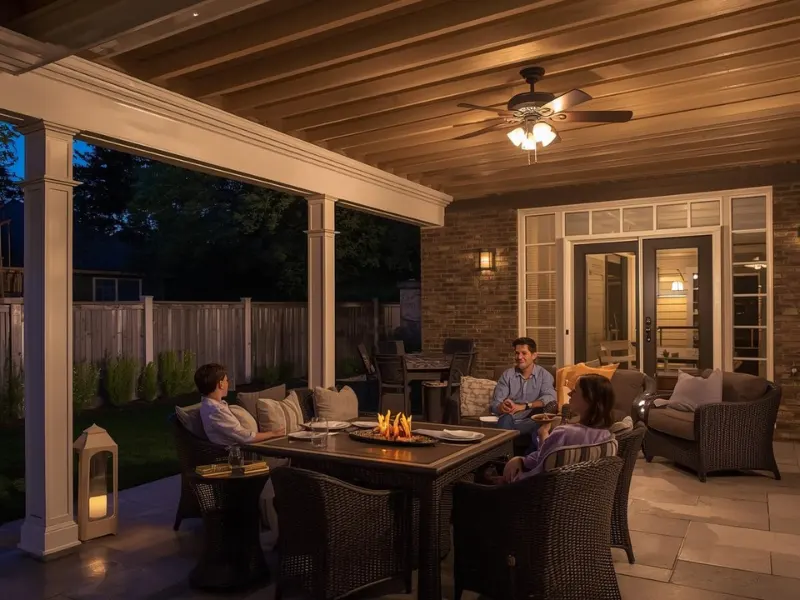
Solid covers made from aluminum, wood, or insulated foam-core panels provide full sun and rain protection. They are ideal for year-round outdoor use.
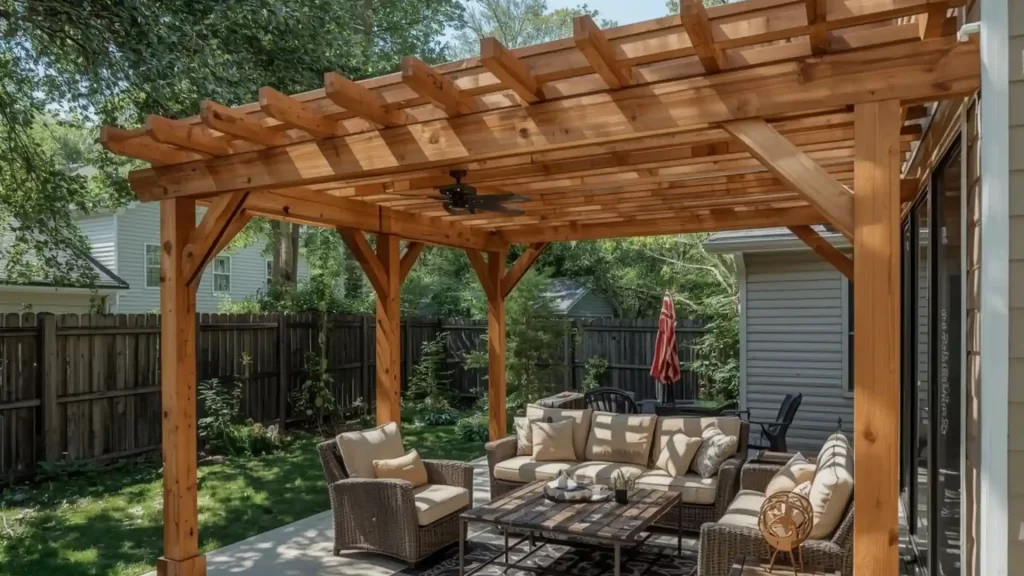
Lattice and Pergola-Style Covers
These offer partial shade and a decorative look, allowing light and airflow while reducing direct sun exposure.
Retractable Awnings
Retractable systems provide flexible shade control. You can enjoy open sky when desired and protection when needed.
Canopies and Sail Shades
Lightweight and budget-friendly, these are best for temporary or seasonal coverage.
Enclosed Patio Systems (Camargue-Style)
Fully enclosed or louvered systems provide maximum weather protection and comfort, often integrating lighting, screens, and drainage.
Material Selection Guide
Material choice is one of the most important parts of patio cover selection, affecting durability, maintenance, and appearance.
Wood Patio Covers
Benefits: Natural beauty, classic appeal
Drawbacks: Requires sealing, staining, and weather protection
Best for: Traditional homes and covered or shaded locations
Aluminum Patio Covers
Benefits: Lightweight, rust-resistant, low maintenance
Drawbacks: Can retain heat without insulation
Best for: Harsh climates and long-term durability
Vinyl and Acrylic Options
Benefits: Affordable, minimal upkeep
Drawbacks: Limited color and design flexibility
Best for: Simple, budget-conscious projects
Polycarbonate Panels
Benefits: UV protection with light transmission
Drawbacks: Higher cost than basic materials
Best for: Balancing daylight and shade
Key Factors in Choosing the Right Patio Cover
Size and layout compatibility: Ensure the cover fits your patio dimensions and roofline
Permanent vs. retractable options: Decide between fixed protection or adjustable shade
Style integration: Match your home’s architecture and outdoor design
Weather protection needs: Sun-only shade or full rain and wind coverage
Each factor helps refine your patio cover selection so it works functionally and visually.
Permanent vs. Retractable: Choosing the Right System
Permanent Patio Covers
Permanent structures offer consistent protection and durability.
Pros:
Year-round usability
Strong weather resistance
Adds long-term home value
Cons:
Higher upfront cost
Less flexibility
Best for homeowners who use their patio in all seasons.
Retractable Patio Covers
Retractable awnings and systems offer adaptability.
Pros:
Adjustable sun exposure
Space-saving design
Ideal for changing weather
Cons:
More moving parts
Seasonal limitations
Best for homeowners who want flexibility.
Hybrid Solutions
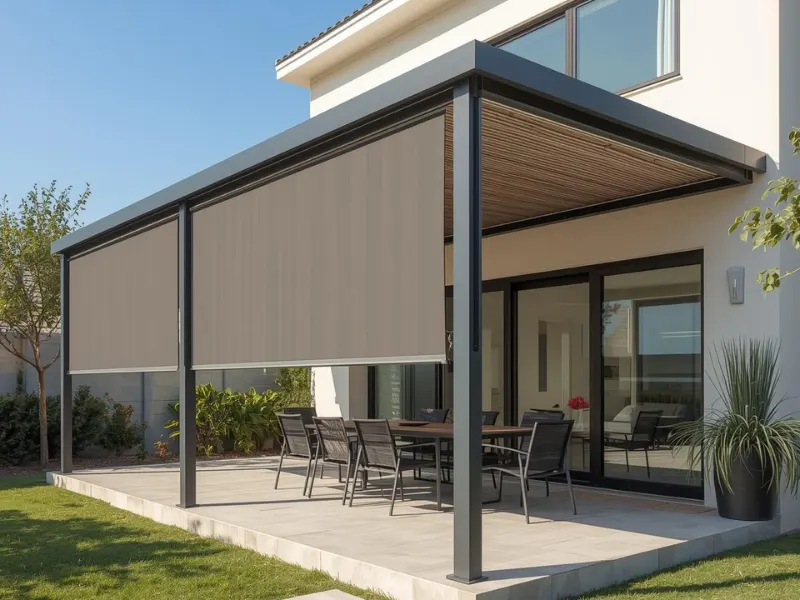
Modern systems combine pergolas with retractable canopies or adjustable louvers, offering the best of both worlds in patio cover selection.
Installation Considerations
DIY Kits vs. Professional Installation
DIY kits may reduce costs but often lack long-term durability. Professional installation ensures proper anchoring, drainage, and code compliance.
Warranty and Long-Term Support
Look for warranties covering materials, finishes, and mechanical components, especially for motorized or enclosed systems.
Making Your Final Patio Cover Selection Decision
Before deciding, ask yourself:
How often will I use this space?
What weather conditions must it handle?
Do I want flexibility or permanent protection?
How much maintenance am I willing to manage?
Answering these questions simplifies the Patio cover options explained process and prevents costly mistakes.
Final Thought
Choosing the right patio cover is about more than shade; it’s about comfort, durability, and lifestyle fit. By understanding materials, climate needs, and permanent versus retractable options, you can make a patio cover selection that enhances your outdoor living space for years to come. If you’re ready to explore the best option for your home or need expert guidance, contact us to discuss your patio cover needs and get personalized recommendations.
Join Our Community
Join our community on Facebook, and don’t forget to subscribe to us on YouTube for new content each week.
FAQs
1. Why is patio cover selection important?
Patio cover selection affects comfort, weather protection, maintenance needs, and how often you can enjoy your outdoor space.
2. Which patio cover material lasts the longest?
Aluminum and polycarbonate patio covers offer excellent durability, low maintenance, and strong resistance to weather conditions.
3. Are retractable patio covers worth it?
Retractable covers are ideal for flexible shade control, particularly in areas with variable weather conditions or seasonal sun exposure.
4. What patio cover works best for hot climates?
UV-resistant materials, such as aluminum and polycarbonate panels, perform best in hot, sunny regions.
5. Should I choose professional installation?
Professional installation ensures proper support, drainage, and long-term performance, especially for permanent patio cover systems.