Your roof is one of the most important structural components of your home because it protects everything underneath it. It shields your property from rain, wind, sun exposure, and severe weather while also helping maintain indoor comfort and energy efficiency. A strong and well-maintained roof preserves the structural integrity of the house and protects valuable belongings inside.
Because of this, the condition of your roof directly affects your home’s safety, resale value, and long-term maintenance costs. However, many homeowners only notice their roof when a leak or visible damage appears. A professional roof certification inspection helps identify potential problems early and provides a clear evaluation of the roof’s condition and remaining lifespan.
What Is a Roof Certification Inspection?
A Roof condition certification is a detailed professional evaluation performed to determine whether a roof is in good working condition and how many years of service it is expected to provide. The purpose of this inspection is to verify that the roof can protect the home effectively without major repairs or replacement. Unlike a general home inspection, which briefly examines many areas of a property such as plumbing, electrical systems, and foundations, a Roof inspection certification focuses entirely on the roofing system.
The inspector carefully reviews structural integrity, roofing materials, drainage, and ventilation to determine whether the roof meets safety and performance standards. This specialized inspection is commonly required during real estate transactions, insurance approvals, or refinancing processes.
What Does a Roof Certification Inspection Include?
A professional roof inspection follows a structured five-zone process to ensure the entire roofing system is thoroughly evaluated. The first stage is the interior inspection, where the inspector checks ceilings and upper interior areas for water stains, discoloration, mold, or signs of leaks. The second stage focuses on the attic, where inspectors examine ventilation, insulation, moisture buildup, and the condition of roof decking.
The third zone is the perimeter inspection, which includes reviewing gutters, drainage systems, fascia boards, and flashing around roof edges to ensure proper water flow. The fourth stage involves inspecting the garage or attached structures to confirm that the roof structure is consistent and free from structural weaknesses.
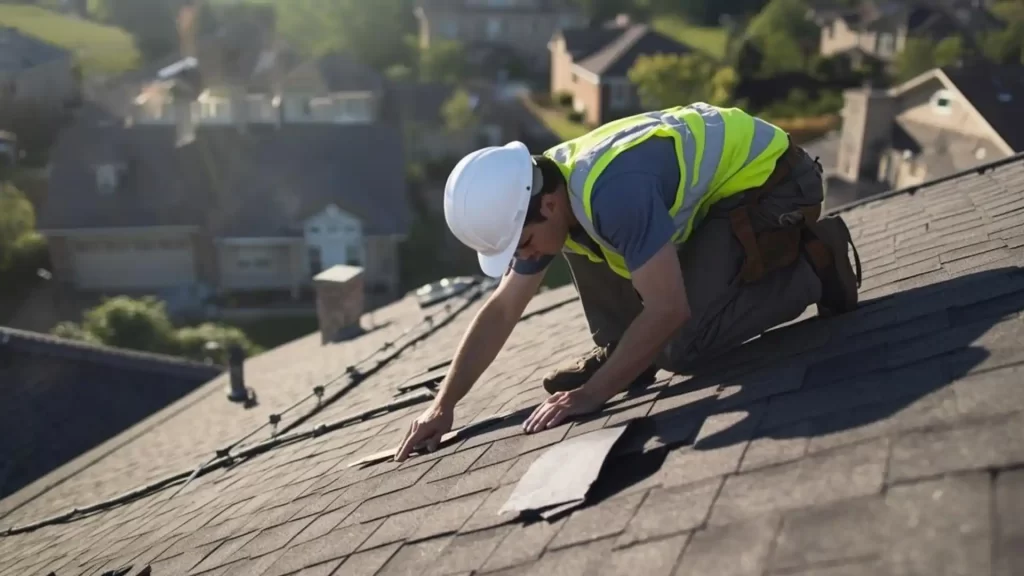
The final step is the rooftop inspection, where the inspector evaluates the roof surface, shingles or tiles, flashing, vents, and overall wear. This systematic process allows the inspector to determine whether the roof qualifies for certification and whether any repairs are required.
Who Performs a Roof Inspection?
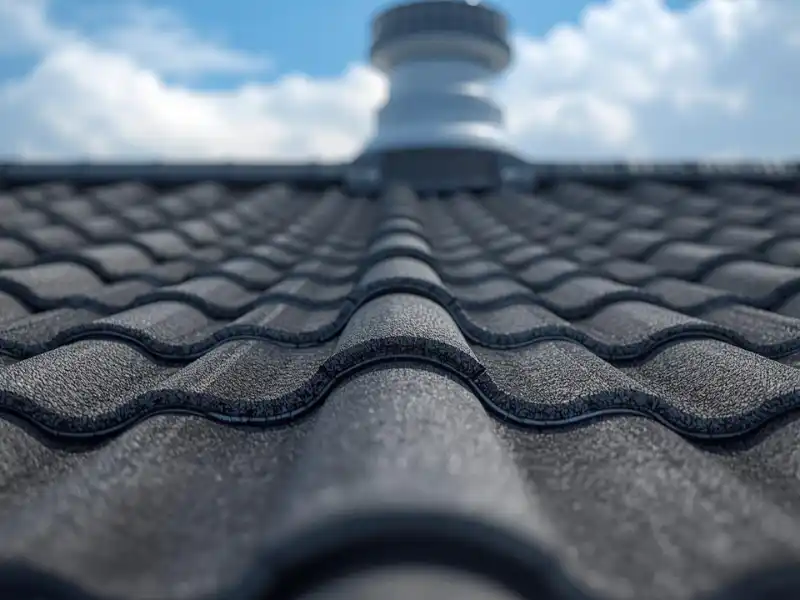
A roof inspection should be performed by qualified roofing professionals who have the training and credentials to evaluate roofing systems accurately. In most cases, licensed roofing contractors conduct these inspections because they have hands-on experience with roof materials, structural issues, and repair methods. While general home inspectors may include roofing in their property evaluations, they usually do not issue official roof certifications.
Homeowners should look for inspectors with proper state licensing and certifications from recognized organizations such as the National Roof Certification and Inspection Association (NRCIA). Hiring a qualified professional ensures the inspection report is reliable and accepted by lenders, insurers, and real estate professionals.
What Does the Certification Document Include?
After the inspection is completed, the inspector provides a certification report that documents the roof’s condition in detail. This document usually includes a summary of inspection findings, photographs of key areas of the roof, and notes describing any damage or structural concerns. The report also provides an estimate of the roof’s remaining lifespan and identifies any repairs required before certification can be issued.
In some cases, inspectors may recommend maintenance improvements to extend the roof’s life. This report serves as official documentation that verifies the roof’s current condition and is often required during property sales or insurance evaluations.
How Long Is a Roof Certification Valid?
The validity of a roof certification depends on the condition and age of the roof. Many inspectors provide certifications that last either two years or five years. A two-year certification is typically issued for older roofs that are still functional but have a shorter remaining lifespan. These roofs may require minor repairs before certification is granted.
A five-year certification is usually issued for roofs that are in excellent condition with strong structural performance and minimal wear. While certification confirms the roof’s condition at the time of inspection, it does not guarantee the roof will remain problem-free during the entire certification period.
Roof Certification vs. Roof Warranty
A roof certification and a roof warranty serve different purposes, even though homeowners often confuse the two. A roof certification is a professional evaluation that confirms the current condition of the roof and estimates its remaining lifespan based on an inspection.
It does not promise repairs or replacements if problems occur later. A roof warranty, on the other hand, is a contractual guarantee provided by the manufacturer or roofing contractor that covers defects in materials or workmanship for a specific period of time. While warranties protect against installation or manufacturing issues, certification simply verifies the roof’s current performance and condition.
Final Thought
Maintaining the health of your roof is essential for protecting your home and avoiding costly repairs. A professional roof certification inspection provides homeowners with a clear understanding of the roof’s structural condition and estimated lifespan. Whether you are preparing to buy or sell a home, applying for insurance, or simply ensuring your property remains safe, this inspection offers valuable insights.
By working with a qualified roofing professional and scheduling inspections when needed, homeowners can ensure their roof continues to perform its vital role in protecting their home for years to come. If you’re unsure about your roof’s condition or need a certified inspection, contact us today to speak with our team and schedule a professional evaluation. We’re here to help you keep your home protected and your roof performing at its best.
Join Our Community
Join our community on Facebook, and don’t forget to subscribe to us on YouTube for new content each week.
FAQs
What is a Roof Condition Certification?
A Roof condition certification evaluates the roof’s condition and estimates how many years it will remain functional.
When do you need a Certified roof inspection?
You typically need one when buying or selling a home, refinancing a property, or meeting insurance requirements.
How long does a roof certification last?
Most certifications last between 2 and 5 years, depending on the roof’s condition and remaining lifespan.
What does a Certified roof inspection include?
Inspectors check the interior, attic, perimeter, garage, and rooftop to identify damage, ventilation issues, and structural concerns.
Who can perform a roof certification inspection?
Licensed roofing contractors or certified inspectors with recognized credentials, such as NRCIA certification, usually perform them.