As a leading roofing contractor serving the San Antonio area, SoTex Roofing and Exteriors has witnessed a remarkable transformation in how commercial property owners approach their roofing needs. In recent years, there has been a noticeable shift toward sustainable building practices, and green commercial roofing has emerged as one of the most innovative and impactful solutions. While the concept is often associated with large commercial structures, the principles of sustainable roofing can influence energy efficiency, long-term maintenance, and environmental impact for virtually any property.
What Is Green Commercial Roofing?
Green commercial roofing refers to environmentally conscious roofing systems designed to minimize energy consumption, reduce environmental impact, and provide long-term durability. Unlike conventional roofing materials that trap heat and contribute to urban heat islands, sustainable roofs reflect sunlight, improve insulation, and in some systems, even support vegetation. For San Antonio, where high temperatures dominate much of the year, investing in sustainable roofing solutions helps property owners manage energy costs while improving the building’s overall performance and comfort.
Green roofing isn’t just about environmental responsibility; it’s also a strategic business decision. By choosing these systems, commercial property owners can improve their bottom line through energy savings, reduce wear and tear on roofing materials, and even qualify for certain tax incentives or insurance benefits.
Types of Sustainable Commercial Roof Systems
At SoTex Roofing and Exteriors, we install a variety of systems that meet different business needs and environmental goals. Each type comes with unique benefits tailored to San Antonio’s climate:
Cool Roofs
Cool roofs utilize highly reflective materials that bounce sunlight away from the building, significantly reducing surface temperatures. In the Texas heat, these roofs can lower roof temperatures by up to 50 degrees, cutting cooling costs and reducing strain on HVAC systems.
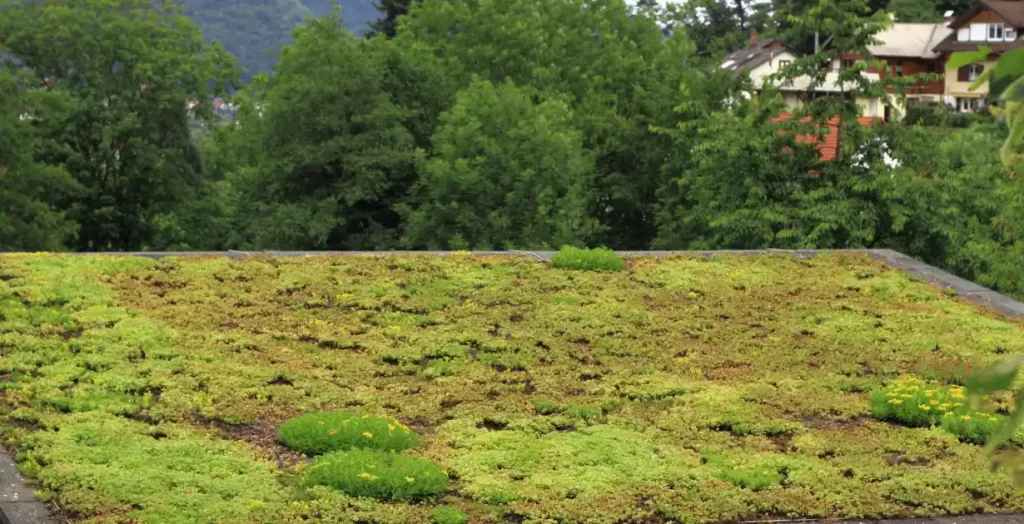
Vegetative or Living Roofs
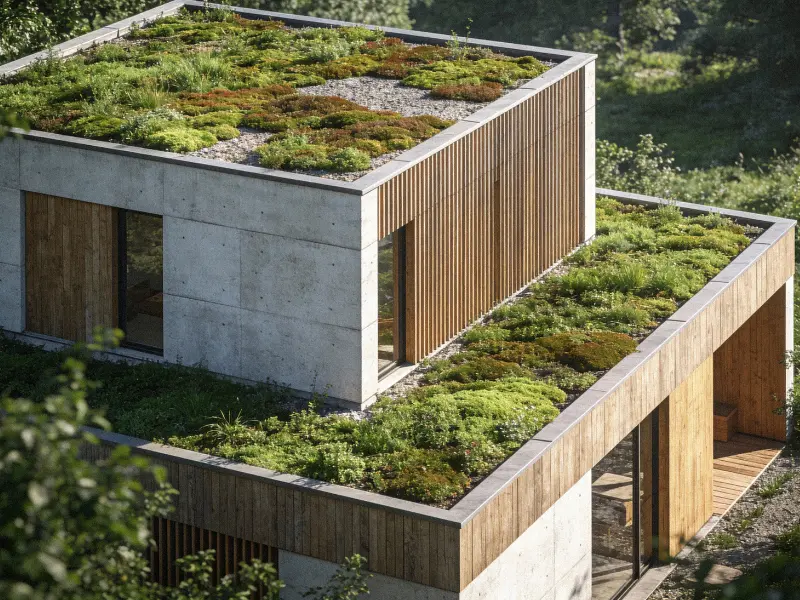
These roofs incorporate plant life into the roofing system, including a waterproofing membrane, a drainage system, and a growing medium to support vegetation. Living roofs provide exceptional insulation, reduce stormwater runoff, and create a small ecosystem that contributes positively to the surrounding environment. While structural requirements typically limit these systems to commercial buildings, they are increasingly being explored for multi-family residential or mixed-use properties.
Solar-Ready Roofs
Solar-ready roofing systems are specifically designed to support solar panels. By combining energy generation with traditional roof protection, these roofs allow property owners to integrate renewable energy solutions while extending the life of the roof itself.
Environmental Benefits
The benefits of sustainable roofing extend well beyond individual properties. One major impact is mitigating the urban heat island effect. In developed areas like San Antonio, traditional roofing materials and asphalt can raise surrounding temperatures, increasing energy consumption and contributing to poor air quality. Reflective roofs, living roofs, and solar-ready systems help counteract this effect by reducing heat absorption and contributing to cooler, more comfortable urban environments.
Additionally, sustainable roofs improve stormwater management. Vegetative roofs absorb rainfall and slow runoff, reducing the risk of flooding and preventing pollutants from entering local water systems. Even cool roofs, while not vegetated, reduce the temperature of water that runs off the roof, lessening environmental stress on local rivers and drainage systems.
Economic Advantages
Beyond environmental benefits, green commercial roofing provides tangible economic advantages. Energy savings are often the most immediate benefit, with reflective and vegetative systems reducing cooling costs by 10-30%, depending on the building and system installed. Over the lifespan of a roof—which can range from 20 to 30 years—these savings accumulate significantly, providing a compelling return on investment.
Sustainable roofs also tend to last longer than traditional materials. Reflective surfaces reduce thermal stress, which minimizes cracking and material degradation. Vegetative roofs protect underlying membranes from UV exposure and temperature fluctuations, further extending the life of the roof. As a result, property owners spend less on repairs and replacements over time.
Additional incentives often make these systems more affordable. Federal tax credits, state rebates, and utility company programs can offset a portion of installation costs. Some insurance providers even offer reduced premiums for buildings with sustainable roofs, recognizing their durability, energy efficiency, and storm resilience.
Installation Considerations
Installing green commercial roofing in San Antonio requires careful planning and professional expertise. Our extreme UV exposure, high summer temperatures, and occasional hailstorms demand roofing materials engineered to withstand these conditions. Proper installation is essential to achieve energy efficiency, structural integrity, and long-term performance.
At SoTex Roofing and Exteriors, we start by evaluating a building’s structural capacity, drainage requirements, and exposure to environmental elements. Cool roofs require specific reflective coatings, vegetative roofs need engineered drainage and soil systems, and solar-ready installations must account for panel weight, orientation, and accessibility. Our team ensures each system meets or exceeds building codes while maximizing the benefits of the sustainable roofing solution chosen.
Long-Term Maintenance
Maintenance requirements for sustainable roofs vary depending on the type. Cool roofs generally require minimal upkeep beyond periodic cleaning to maintain reflectivity. Vegetative roofs need more active management, including plant care, irrigation checks, and drainage inspections. Solar-ready systems require monitoring for panel efficiency and regular maintenance of electrical connections. Understanding these requirements upfront allows property owners to budget accordingly and maximize the lifespan of their investment.
Making the Switch
Transitioning to green commercial roofing begins with a thorough assessment of your current roof and building needs. SoTex Roofing and Exteriors provides comprehensive evaluations that take into account energy goals, aesthetics, budget, and long-term planning. We also assist clients with permitting, incentive programs, and any structural modifications necessary to support the new roof system.
For San Antonio businesses, adopting sustainable roofing solutions today offers a competitive advantage. It positions your property as environmentally conscious, reduces operational costs, and ensures long-term durability. Whether you’re updating an older roof or planning new construction, investing in green commercial roofing is a forward-thinking choice that benefits both your business and the environment.
Final Thoughts
Sustainable roofing solutions are no longer optional—they are an essential part of modern commercial property management. By choosing green commercial roofing, San Antonio business owners gain energy efficiency, extended roof lifespan, environmental responsibility, and financial benefits. At SoTex Roofing and Exteriors, we help clients navigate the options, select the best system for their building, and ensure professional installation that delivers lasting performance. Investing in sustainable roofing today safeguards your property, reduces operational costs, and contributes to a greener, healthier community.
FAQs About Green Commercial Roofing
1. What is green commercial roofing?
It’s an environmentally friendly roofing system designed to reduce energy use, improve insulation, and sometimes support plant life or solar installations.
2. Do green roofs save money on energy bills?
Yes. Cool and vegetative roofing systems can reduce energy costs by 10-30%, depending on building size and climate conditions.
3. How long do sustainable commercial roofs last?
With proper installation and maintenance, these roofs can last 20-30 years or more, often exceeding traditional roofing lifespans.
4. Are green commercial roofs suitable for all buildings?
They can be customized to suit most commercial properties, though vegetative roofs may require additional structural support.
5. Are there financial incentives for green commercial roofing?
Yes. Federal, state, and utility programs can offset installation costs, and some insurers offer lower premiums for sustainable roofing systems.