
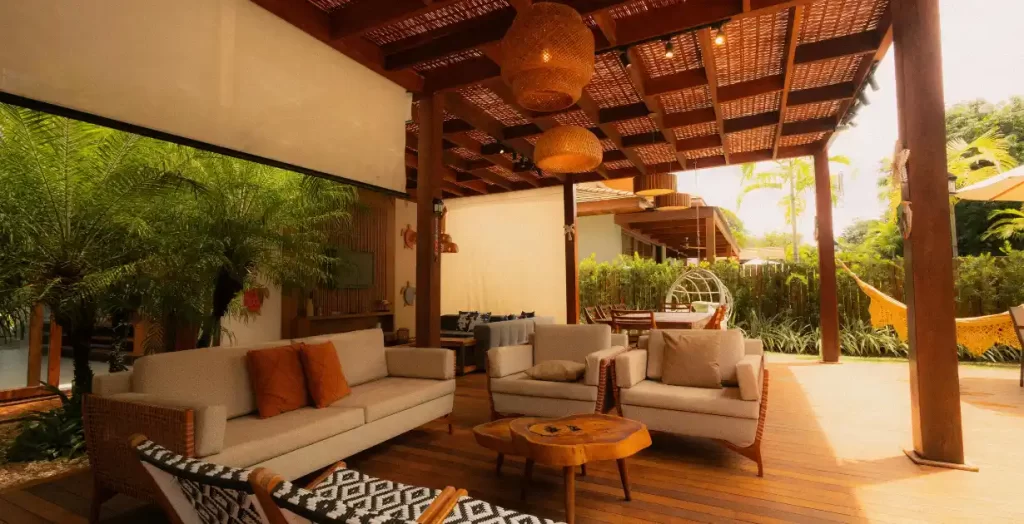
Adding a patio cover to your San Antonio home can transform your outdoor living space, providing shade, protection from the elements, and a stylish area for entertaining. However, before construction begins, it’s essential to understand the requirements for patio cover permits. At SoTex Roofing and Exteriors, we’ve helped countless homeowners navigate the permitting process, ensuring their projects comply with city regulations while avoiding unnecessary delays or fines. At the same time, it may seem like an extra hurdle, but obtaining the correct permits is a critical step for protecting your investment and ensuring safety.
Why Patio Cover Permits Are Important
Many homeowners assume that building a patio cover is a simple DIY project that doesn’t require city approval. However, patio cover permits exist for several important reasons. First and foremost, permits ensure your structure meets local building codes, including proper anchoring, load-bearing capacity, and wind resistance suitable for San Antonio’s climate, which helps protect your family and property. Additionally, installing a patio cover without the proper permits can create legal complications.
Homeowners may face fines, be required to remove the structure, or encounter issues when selling their home if the patio cover is unpermitted. Finally, insurance protection is another critical factor. Unpermitted structures may not be covered under homeowners’ insurance policies in the event of storm damage or accidents, leaving you financially responsible. In short, obtaining the proper permits safeguards both the homeowner and the property, preventing costly setbacks later on.
Understanding San Antonio Building Code Requirements
San Antonio follows the International Building Code, with local amendments that address the region’s unique weather and environmental conditions. Patio cover permits are required to confirm that your new structure meets several key criteria. The permits ensure that your patio cover is built to proper structural integrity standards and uses approved materials suitable for the climate.
They also confirm that the structure can withstand local wind speeds and storm conditions and complies with setback and height restrictions to maintain neighborhood safety and aesthetics. When you submit your permit application, city reviewers thoroughly check your plans to verify code compliance, ensuring your patio cover will remain safe, durable, and long-lasting.
When You Need Patio Cover Permits
In San Antonio, most patio cover projects require permits, although some smaller, detached structures may be exempt. You’ll generally need a permit if the patio cover is attached to your home, as attachment affects structural integrity and compliance with building codes. Projects exceeding a certain square footage, commonly over 200 square feet, also require permits to ensure the structure can safely support its size and weight.
If your project includes electrical work, such as ceiling fans or lighting, permits are necessary to verify safety standards are met. Additionally, any construction involving concrete footings or significant structural components requires a permit to ensure proper anchoring and load distribution. Even freestanding patio covers may need permits depending on their size and construction methods. Checking with the San Antonio Development Services Department before starting any project is critical to avoid potential code violations or fines.
The Patio Cover Permit Application Process
Applying for patio cover permits involves a series of steps that ensure your project meets safety and code requirements. The process begins with preparing detailed plans that include accurate dimensions, materials, structural supports, and how the patio cover connects to your home. For larger or more complex projects, engineering specifications may also be required to demonstrate structural stability. Once the plans are ready, you submit your application to the San Antonio Development Services Department, along with any applicable fees.
The fees typically vary based on the project’s size and overall value. After submission, city staff review your plans for compliance with building codes, a process that usually takes two to four weeks. During this period, reviewers may request revisions or clarifications to ensure all safety standards are met. Having detailed, professionally prepared plans can expedite approval and reduce the likelihood of delays or revisions.

Required Documentation
A complete permit application includes several essential pieces of documentation. You will need a site plan that clearly shows property boundaries, existing structures, and the proposed location of your patio cover, including measurements from property lines to ensure setback compliance. Construction drawings are also required, detailing the foundation, support structures, and points of connection to the existing home.
If your patio cover will include electrical wiring for fans or lighting, electrical plans and permits are necessary as well. For larger or more complex patio covers, engineered drawings prepared and stamped by a licensed professional may be required to confirm the structure’s integrity. Ensuring that all documentation is complete and accurate helps avoid delays and ensures your project meets city standards the first time.
Setback and Zoning Considerations
Meeting setback requirements is a key aspect of the permit process. In San Antonio, structures typically must be located at least five feet from side property lines and at least ten feet from rear property lines. These distances help maintain safety, privacy, and aesthetics within neighborhoods. Some homeowner’s associations may enforce even stricter rules in addition to city regulations. Verifying setback requirements before submitting your permit application prevents costly redesigns or adjustments later, ensuring your patio cover complies with all local and neighborhood standards.
Working with Professional Contractors
Hiring experienced professionals, such as SoTex Roofing and Exteriors, can significantly simplify the permitting process. Licensed contractors are familiar with city requirements and can prepare accurate construction plans that comply with building codes. They also handle permit submissions, coordinate inspections, and address any questions or revisions requested by city reviewers. Throughout construction, professional contractors ensure that all work remains compliant with approved plans.
While hiring a contractor may cost more upfront than a DIY approach, it ultimately saves time, prevents errors, and reduces the risk of fines or failed inspections, making the project smoother and more predictable.
Inspections During and After Construction
Once patio cover permits are obtained, inspections are required at various stages of construction. A foundation inspection is conducted before pouring concrete footings to ensure proper placement and structural stability. After framing is complete but before installing the roof, a framing inspection verifies that supports, anchors, and connections meet code standards.
Once construction is finished, a final inspection confirms that the project was completed according to the approved plans. If your patio cover includes electrical components, an electrical inspection is also required. These inspections ensure that your patio cover is both safe and fully compliant with all building regulations.

Risks of Skipping Permits
Some homeowners consider skipping patio cover permits to save money or avoid bureaucracy, but doing so carries serious risks. Unpermitted structures can result in fines ranging from hundreds to thousands of dollars. If the project is discovered during a home sale, you may be required to obtain retroactive permits or rebuild non-compliant sections, which can be costly and time-consuming.
Insurance companies may deny claims for damage or accidents involving unpermitted structures, leaving you financially responsible. Additionally, unpermitted work can create complications during appraisals or home inspections. Overall, obtaining permits is a critical step that safeguards your home, your investment, and your peace of mind.
Streamlining the Permit Process
At SoTex Roofing and Exteriors, we help homeowners navigate patio cover permits seamlessly. Our team stays up-to-date on local codes, maintains relationships with city inspectors, and handles all paperwork and scheduling for inspections. This ensures your patio cover project is built safely, legally, and efficiently, letting you enjoy your outdoor space with peace of mind.
Final Thoughts
Adding a patio cover can enhance your home’s outdoor living area, increase property value, and provide protection from the elements. However, it’s important to prioritize proper permitting. Patio cover permits ensure your structure meets safety codes, avoids legal and insurance issues, and remains a durable addition to your home.
By working with experienced contractors and following the correct application process, San Antonio homeowners can enjoy a beautiful, safe, and fully compliant patio cover for years to come.
FAQs About Patio Cover Permits
1. Do I always need a permit for a patio cover?
Most patio covers attached to your home, over 200 square feet, or including electrical work, require permits. Smaller, detached structures may be exempt.
2. How long does it take to get patio cover permits approved?
Typically, plan review takes 2–4 weeks, though complex or large projects may take longer.
3. What documents are required for a permit application?
A site plan, construction drawings, and electrical plans (if applicable) are generally required. Larger structures may need engineered drawings.
4. Can I handle the permit process myself?
Yes, but working with an experienced contractor can simplify the process, ensure compliance, and prevent delays or errors.
5. What happens if I build without a permit?
Building without permits can lead to fines, insurance claim denials, and costly retroactive compliance, including potential demolition and reconstruction.