

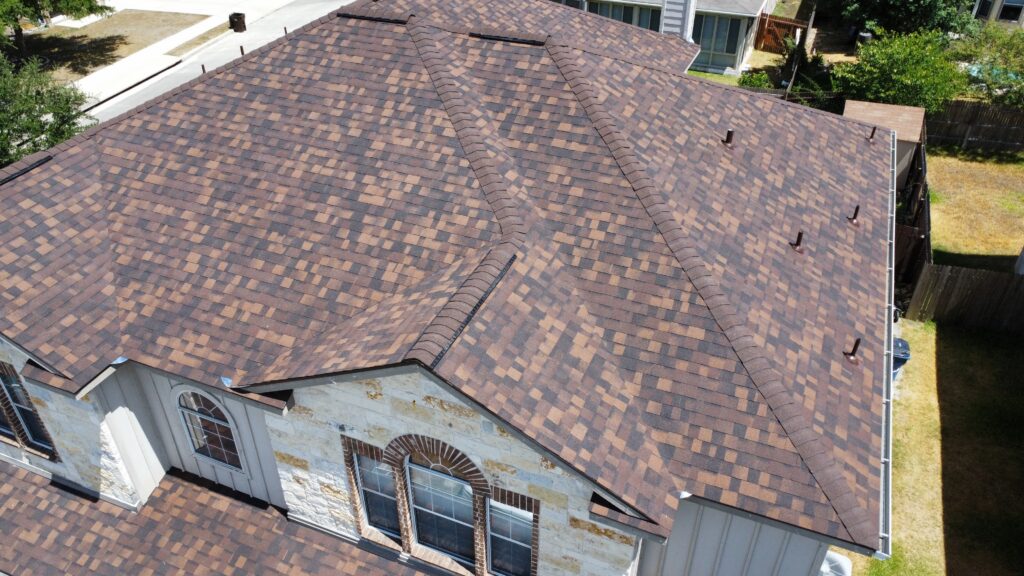
When you receive your roof inspection report from a professional roofing contractor, it can feel like you’re reading a foreign language. At SoTex Roofing and Exteriors, we understand that San Antonio homeowners need clear, straightforward information about the condition of their roofs. That’s why we’ve created this comprehensive guide to help you understand what your roof inspection is telling you and why each component matters for protecting your home.
What Is a Roof Inspection Report?
A roof inspection report is a detailed document that provides a comprehensive assessment of your roof’s current condition. This professional evaluation examines every aspect of your roofing system, from shingles and flashing to gutters and ventilation. At SoTex Roofing and Exteriors, we create thorough roof inspections that give San Antonio homeowners a complete picture of their roof’s health, including any areas of concern and recommendations for maintenance or repairs.
Your roof inspection serves multiple purposes. It helps you understand the current state of your roof, plan for necessary repairs, budget for future replacement, and can even be required by insurance companies or during real estate transactions. Think of it as a health checkup for your home’s most important protective barrier against the Texas elements.
Key Components of Your Roof Inspection
Every comprehensive roof inspection should include several essential sections. The first section typically covers the basic information about your roof, including the type of roofing material, the approximate age of the roof, and the overall square footage. This foundational data helps establish context for the rest of the findings.
The condition assessment is the heart of your roof inspection . This section details the state of your shingles or roofing material, noting any missing, cracked, curling, or damaged pieces. In San Antonio’s intense heat and occasional severe weather, shingle damage is common, and your roof inspection is will document these issues with specific locations and severity levels.
Flashing inspection is another critical component. Flashing is the metal material installed around chimneys, vents, skylights, and roof valleys to prevent water infiltration. Your roof inspection will indicate whether flashing is properly sealed, rusted, or damaged. Given San Antonio’s heavy rains during storm season, proper flashing is essential for preventing leaks.
Understanding Severity Ratings in Your Roof Inspection
Most professional roof inspections use a rating system to categorize issues by urgency. At SoTex Roofing and Exteriors, we typically use categories like “immediate attention required,” “repair recommended,” and “monitor for changes.” Understanding these ratings helps you prioritize your roofing budget and timeline.
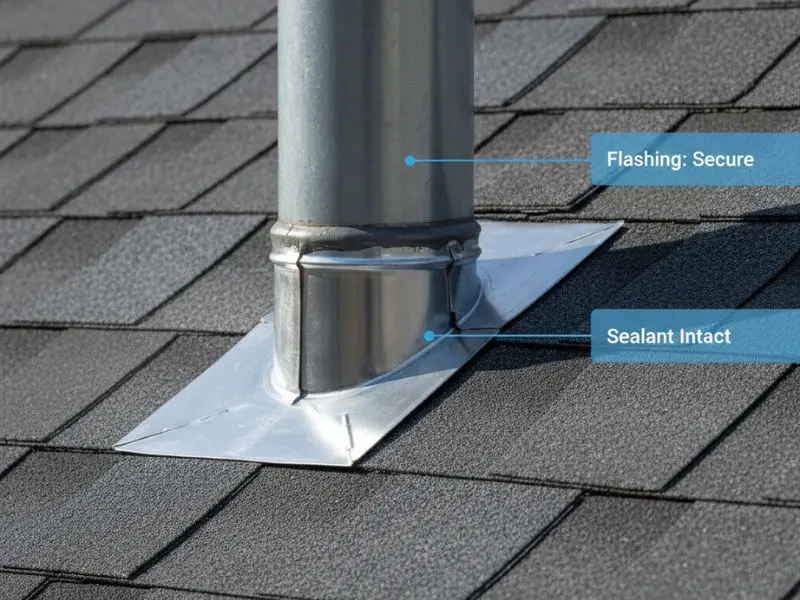
Immediate attention items are problems that could lead to water damage, structural issues, or safety hazards if not addressed quickly. These might include significant leaks, large areas of missing shingles, or compromised structural elements. Your roof inspection will clearly flag these urgent concerns.
Repair recommended items are issues that aren’t emergencies but should be addressed within the next six to twelve months. These might include minor flashing repairs, a few damaged shingles, or clogged gutters. While not critical today, addressing these items prevents them from becoming major problems.
Monitor for changed items are minor concerns that don’t require immediate action but should be watched during future inspections. Your roof inspection report might note slight granule loss on shingles or minor wear that’s expected for your roof’s age.
Decoding Technical Terms in Your Roof Inspection
Your roof inspection report may contain technical terminology that’s unfamiliar to most homeowners. “Granule loss” refers to the protective coating on asphalt shingles wearing away, which is normal over time but accelerates roof aging. “Ponding water” describes areas where water collects and doesn’t drain properly, which can lead to leaks and deterioration.
“Soffit and fascia” are the materials along your roofline that protect the roof edges and provide ventilation. Your roof inspection will assess these for rot, damage, or pest infiltration. In San Antonio’s humid climate, these areas are particularly vulnerable to moisture damage.
“Decking” or “sheathing” refers to the wooden boards underneath your roofing material. While not always visible during a standard inspection, your roof inspection may note any visible sagging or damage that suggests decking problems. “Penetrations” are anything that breaks through your roof surface, like vents, pipes, or chimneys, and each requires proper sealing.
What to Do After Receiving Your Roof Inspection
Once you’ve received and reviewed your roof inspection , the next steps depend on the findings. If your report indicates immediate repairs are needed, contact SoTex Roofing and Exteriors or your chosen contractor promptly to schedule the work. Delaying urgent repairs only leads to more extensive and expensive damage.
For non-urgent recommendations in your roof inspection report, create a maintenance plan and budget. Prioritize repairs that prevent water infiltration or extend your roof’s lifespan. Keep your roof inspection on file with your home maintenance records, as it provides valuable documentation for insurance claims, home sales, or warranty issues.
If your roof inspection shows your roof is in good condition, don’t simply file it away and forget about it. Use the information to establish a regular maintenance schedule. Even healthy roofs benefit from annual cleanings, gutter clearing, and minor repairs to maximize their lifespan.
How Often Should You Get a Roof Inspection?
At SoTex Roofing and Exteriors, we recommend San Antonio homeowners obtain a professional roof inspection at least once every three years for roofs under ten years old, and annually for older roofs. However, you should also schedule an inspection after severe weather events like hailstorms, high winds, or heavy rains that are common in our area.
Your roof inspection report is an investment in your home’s protection and value. Understanding what it tells you empowers you to make informed decisions about repairs, maintenance, and eventual replacement. If you have questions about your roof inspection is need clarification on any findings, don’t hesitate to contact the professionals who prepared it. At SoTex Roofing and Exteriors, we’re always happy to walk San Antonio homeowners through their reports and explain our recommendations in plain language. Your roof is too important to leave to guesswork, and a thorough roof inspection is your roadmap to keeping it in excellent condition for years to come.
FAQ Section
1. What does a roof inspection include?
It includes roof condition details, damage findings, severity ratings, and repair recommendations.
2. How long is a roof inspection valid?
Typically 6–12 months, depending on weather exposure and roof age.
3. Can I use a roof inspection for insurance claims?
Yes. Insurers often require professional inspection documentation after storms.
4. Are roof inspection reports required when selling a home?
Not always, but they add transparency and buyer confidence during real estate transactions.
5. How much does a roof inspection cost?
Many inspections are free, while detailed reports may range from $150–$400.
6. Should I get a roof inspection even if there’s no leak?
Absolutely. Early detection prevents costly future repairs.