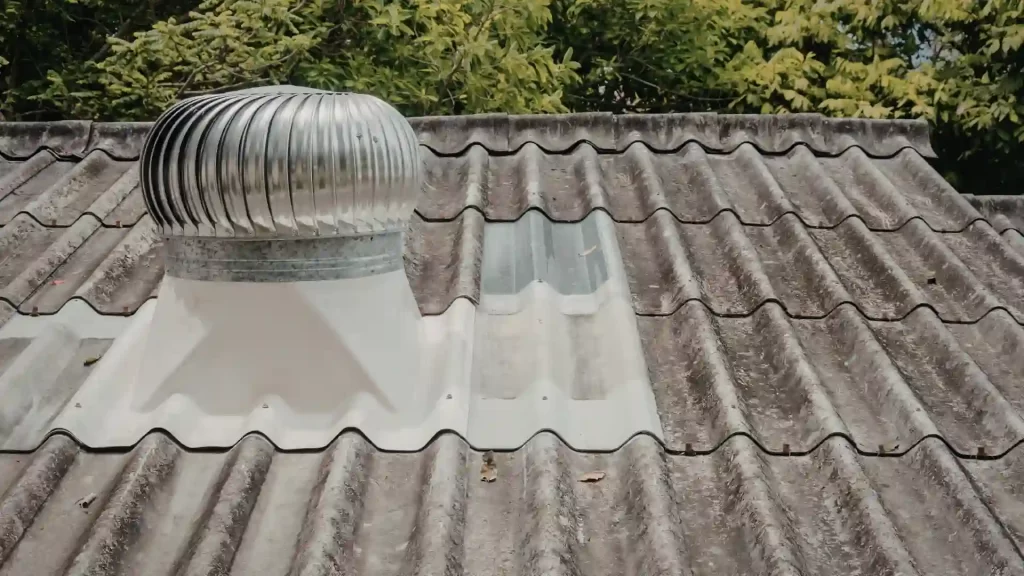
As energy costs rise and summers grow hotter, homeowners and builders are turning to cool roofing technology as a practical, long-term solution. This modern roofing approach is designed to reduce heat absorption, improve indoor comfort, and lower energy bills without sacrificing durability or aesthetics.
In this guide, we’ll break down how cool roofing works, the science behind it, available materials, and whether it’s the right choice for your home.
What Is Cool Roofing Technology?
Cool roofing technology refers to roofing systems engineered to reflect more sunlight and release absorbed heat more efficiently than traditional roofs.
Definition and Core Principles
The two core principles behind cool roofs are:
-
Solar reflectance is the ability of a roof to reflect sunlight
-
Thermal emittance is the ability to release absorbed heat
Together, these properties help keep the roof surface and the building below cooler.
How Cool Roofing Technology Works
Think of it like wearing a white T-shirt on a hot day. Just as lighter clothing reflects sunlight and keeps you cooler, cool roofs reduce heat buildup by reflecting solar radiation and emitting stored heat back into the atmosphere.
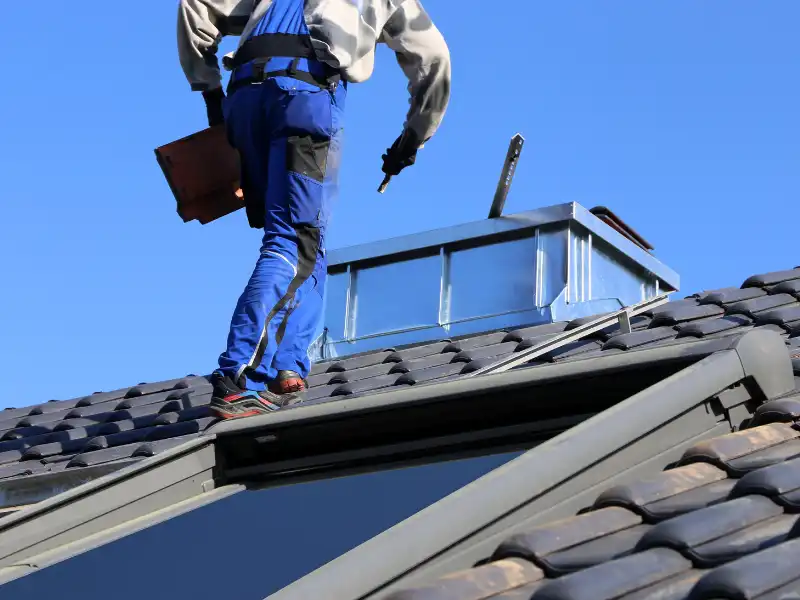
The Science Behind Cool Roof Technology
Understanding the science makes it clear why this roofing system performs so well.
Solar Reflectance Explained
Solar reflectance measures how much sunlight a roof surface reflects instead of absorbing. Conventional dark roofs absorb most solar energy, while reflective roofs can reflect a significant portion of it, keeping roof temperatures lower.
Thermal Emittance and Heat Release
Thermal emittance determines how quickly a roof releases absorbed heat. Materials with high thermal emittance cool down faster after sunset, reducing nighttime heat retention.
Temperature Comparison
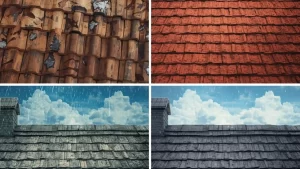
On a sunny day, a standard roof can reach temperatures of 150°F (65°C) or more. A roof built with cool roofing technology may stay 50–60°F cooler under the same conditions, reducing heat transfer into the building.
Types of Cool roof systems
There are several approaches to implementing cool roofs, depending on building type and climate.
Reflective Roofs
These include white and cool-colored surfaces designed for high solar reflectance. Reflective roofs are among the most common and cost-effective solutions.
Evaporative Roofs
These systems use controlled moisture evaporation to reduce surface temperatures, often applied in commercial settings.
Phase-Change Materials
Advanced materials absorb and release heat as they change states, helping stabilize indoor temperatures.
Green Roofs
Vegetation-based systems provide natural insulation and cooling while improving air quality and stormwater management.
Cool Roof Coatings
Cool roof coatings can be applied to existing roofs to improve solar reflectance and thermal emittance without a full replacement.
Benefits of Cool Roofing Technology
Installing Cool Roof systems offers both immediate and long-term advantages.
Energy Cost Savings
By reducing heat gain, homes require less air conditioning, leading to lower electricity bills—especially in hot climates.
Extended Roof Lifespan
Lower surface temperatures reduce thermal expansion and material degradation, helping roofs last longer.
Urban Heat Island Reduction
Widespread use of cool roofs helps reduce city-wide temperatures, improving comfort and public health.
Environmental Impact
Lower energy demand means reduced greenhouse gas emissions, making Cool roof technology an environmentally responsible choice.
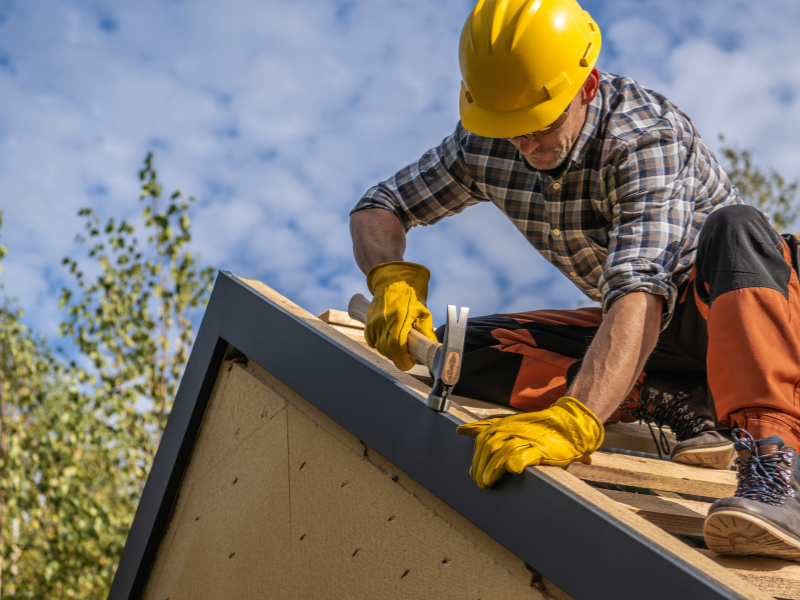
Cool Roof Technology: Materials and Products
Modern cool roofs are available in a wide range of materials.
-
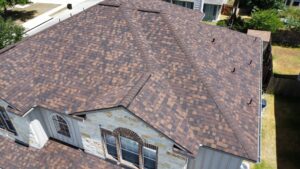
Asphalt shingles with reflective granules – look traditional but perform better
-
Metal roofing with special coatings – durable and highly reflective
-
Single-ply membranes (TPO/PVC) – common in commercial buildings
-
Tile roofing options – clay and concrete tiles with reflective finishes
Each option can be enhanced with cool roof coatings to further improve performance.
Is Cool Roof Systems Right for Your Home?
Before choosing a cool roof, consider a few key factors.
Climate Considerations
Cool roofs provide the greatest benefits in hot and sunny regions, but they can still offer energy savings in mixed climates.
Cost vs. Savings Analysis
While upfront costs may be slightly higher, long-term energy savings and extended roof life often offset the initial investment.
Installation Requirements
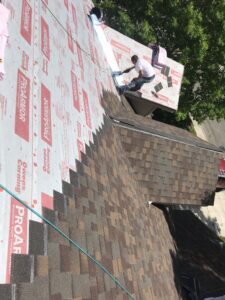
Proper installation is essential. Working with an experienced roofing contractor ensures maximum performance and compliance with local codes.
Final Thoughts
Whether you’re building new or upgrading an existing roof, cool roofing technology offers a smart combination of comfort, efficiency, and sustainability. With multiple materials and systems available, it’s easier than ever to choose a solution that fits both your climate and budget while keeping your home cooler for years to come.
If you’re considering a cool roof or want expert advice on the best option for your home, contact us today to discuss your needs, explore material choices, and get professional guidance tailored to your location.
Join Our Community
Join our community on Facebook, and don’t forget to subscribe to us on YouTube for new content each week.
FAQs
1. What are energy-efficient roofing systems?
It’s a roofing designed to reflect sunlight and emit heat, lowering roof and indoor temperatures.
2. How does Cool Roof technology save energy?
By reflecting solar heat and reducing cooling load, it can lower air conditioning use and cut energy costs.
3. What materials are used in cool roofs?
Options include reflective asphalt shingles, coated metal, TPO/PVC membranes, and cool roof coatings.
4. Do cool roofs reduce heat islands?
Yes. Cool roofs lower surface and air temperatures, helping reduce urban heat island effects.
5. Are cool roofs right for all climates?
They work best in hot climates for cooling savings, but may be less beneficial where heating is dominant.