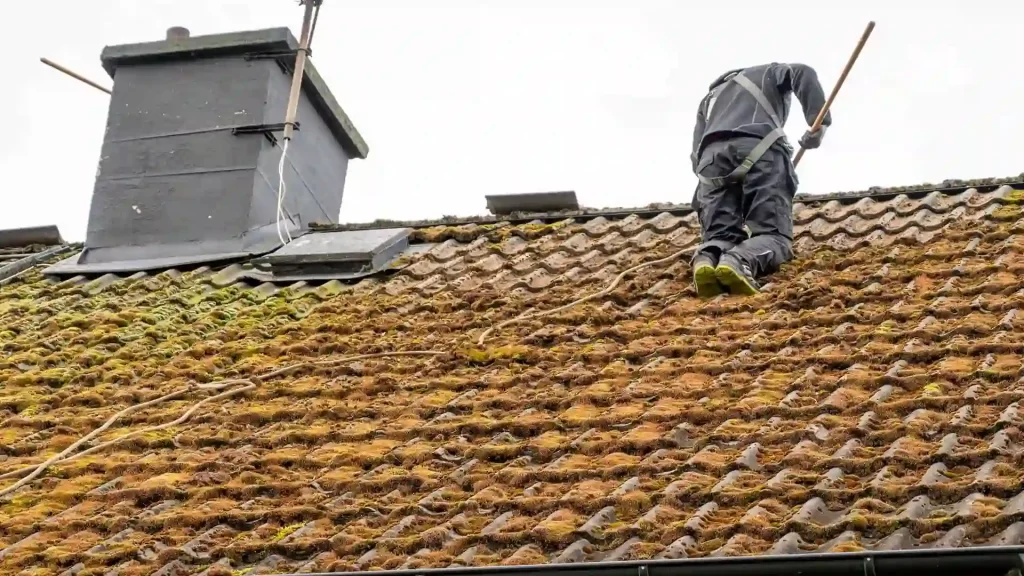
Roof moss may look harmless at first, but ignoring roof moss removal can quietly damage your roof over time. Moss traps moisture against the shingles, which can cause the roofing material to weaken, lift, or crack. When water stays trapped under the roof, it can slowly seep into the roof structure and lead to leaks, wood rot, and insulation damage.
According to the National Roofing Contractors Association (NRCA), excess moisture is one of the main reasons roofing materials deteriorate prematurely. Ignoring moss growth often leads to expensive repairs or even early roof replacement. What starts as a small green patch can spread quickly across shaded areas of the roof, especially in humid climates. Removing moss early protects the roof’s lifespan and prevents long-term structural problems.
Understanding the Scope: How Bad Is Your Moss Problem?
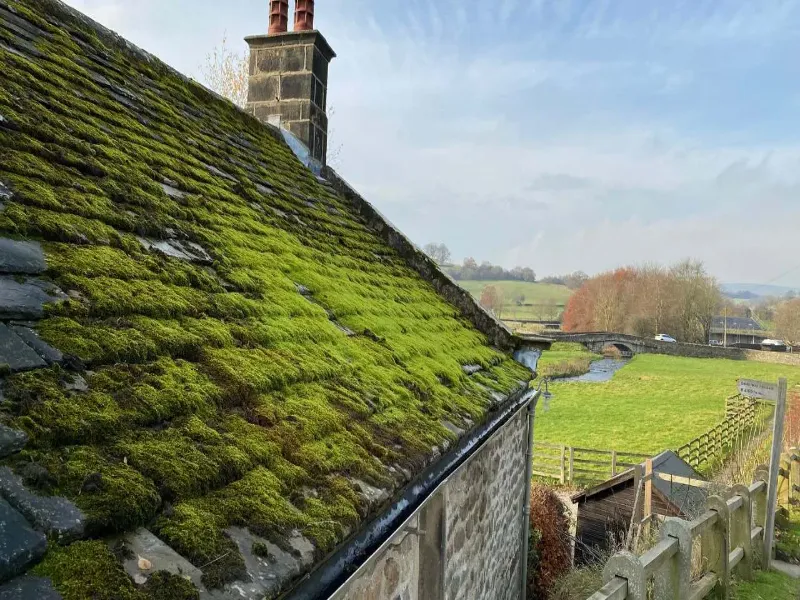
Before deciding how to deal with roof moss, it helps to understand how severe the growth actually is. Moss usually starts in small patches in areas that stay damp, such as shaded sections of the roof or areas where leaves collect. Over time, it can spread across entire sections of shingles.
A light moss problem may appear as thin green patches that sit on top of the shingles. In more serious cases, thick moss can grow between shingles and start lifting them. This allows water to enter underneath and accelerates roof damage.
Inspecting the roof from the ground with binoculars or using a ladder carefully can help you identify the extent of the problem. If large areas of moss are present or shingles appear lifted, the issue may require professional attention.
DIY Roof Moss Removal Methods, Costs, Pros & Cons
Many homeowners attempt roof moss removal themselves because the basic tools are relatively inexpensive. A common DIY method involves applying a moss-killing solution and gently brushing the moss away after it loosens.
Typical DIY tools and materials include a soft-bristle brush, a garden sprayer, protective gloves, and a moss treatment solution. Some people use eco-friendly treatments made from oxygen bleach, while others choose commercial moss killers designed for roofs.
The main advantage of DIY removal is cost savings. However, it also comes with challenges. Climbing on a roof carries a fall risk, and aggressive brushing can damage shingles if done incorrectly. DIY methods also may not remove moss roots completely, which means the moss can return quickly if preventive measures are not taken.
Hiring a Professional: What They Do Differently & Why It Matters
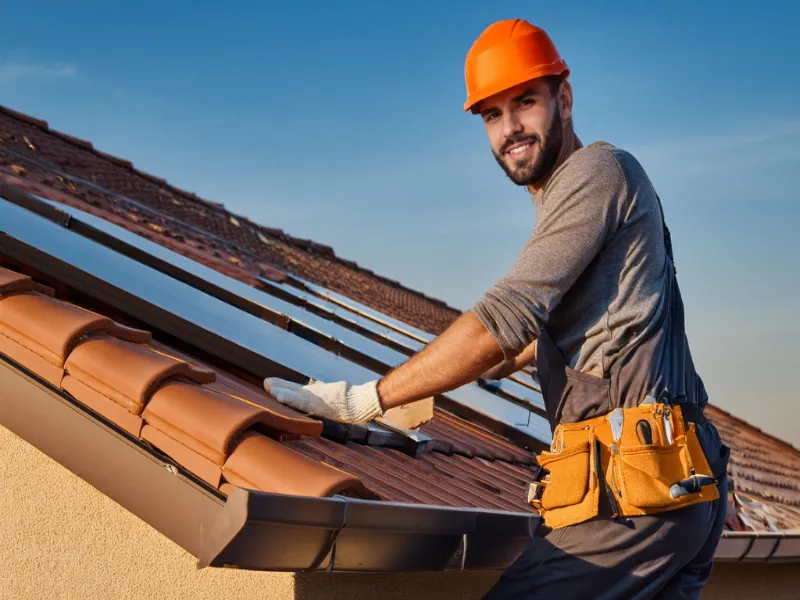
Professional roof cleaning services use specialized techniques that are designed to remove moss safely without damaging roofing materials. Most professionals use a soft-wash system, which combines low-pressure water with biodegradable cleaning solutions that kill moss at the root.
Unlike pressure washing, which can damage shingles, soft washing removes moss while protecting the integrity of the roof. Professionals also inspect the roof during the process, identifying early signs of damage, loose shingles, or drainage issues.
Hiring a professional may cost more initially, but it often produces longer-lasting results and reduces the risk of accidental roof damage.
Cost Comparison Breakdown DIY vs. Pro Pricing
The cost of moss removal from the roof varies depending on the roof size, moss severity, and the method used.
DIY removal usually costs between $30 and $150 for supplies such as moss killer, brushes, and safety gear. While this approach is cheaper upfront, the results may not last as long if moss roots are not completely removed.
Professional moss removal from the roof typically ranges from $300 to $900, depending on the roof area and level of moss growth. According to HomeAdvisor (2024), professional roof cleaning averages around $0.20–$0.70 per square foot. Although the upfront cost is higher, professional services often include preventative treatments that reduce moss regrowth.
Safety Considerations: Roof Access, Fall Risk, Chemical Handling
Roof cleaning involves several safety risks that many homeowners underestimate. Wet moss makes roof surfaces extremely slippery, increasing the chance of falls. According to the U.S. Centers for Disease Control and Prevention (CDC), falls remain one of the most common causes of serious home maintenance injuries.
Chemical handling is another concern. Moss removal products can irritate the skin or eyes if used without proper protection. Professionals use safety harnesses, specialized footwear, and trained procedures to minimize these risks.
For steep or multi-story roofs, professional cleaning is generally the safest option.
Which Option Is Right for You? Decision Guide
Choosing between DIY moss removal and hiring a professional depends on several factors. If the moss growth is light and the roof is easily accessible, a DIY approach may be sufficient. However, if moss covers large areas, the roof is steep, or shingles appear damaged, professional help is usually the better choice.
Homeowners should also consider long-term maintenance. Professional services often include preventative treatments, which can reduce moss regrowth and extend the life of the roof.
Final Thought
Roof moss removal is not just about improving the appearance of your home. It plays an important role in protecting the overall health and lifespan of your roof. Moss holds moisture against shingles, which can slowly weaken roofing materials and lead to leaks, wood rot, and structural damage if left untreated. Regular roof moss cleaning works as a preventive maintenance step that helps protect your roof from moisture damage and costly repairs in the future.
Whether you choose a DIY approach or hire a professional, addressing moss growth early helps preserve the structural integrity of your roof and prevents small issues from turning into expensive problems later. If you’re unsure about the condition of your roof or need expert help with roof moss removal, feel free to contact us for professional advice and reliable service.
Join Our Community
Join our community on Facebook, and don’t forget to subscribe to us on YouTube for new content each week.
FAQs
1. Why is roof moss removal important?
Moss traps moisture on shingles, which can cause roof damage, leaks, and shortened roof lifespan if not removed early.
2. What causes moss to grow on roofs?
Moss grows in damp, shaded areas where moisture stays on the roof for long periods, especially under trees or on north-facing slopes.
3. Can I remove roof moss myself?
Yes. Light moss can be removed with a moss treatment and gentle brushing, but steep roofs or heavy growth often require professional help.
4. How much does removing moss from a roof cost?
DIY removal usually costs $30–$150 for supplies, while professional removal of moss from a roof typically ranges from $300–$900, depending on roof size.
5. How can I prevent moss from returning?
Trim nearby trees, keep gutters clean, improve roof sunlight exposure, and install zinc or copper strips to stop moss regrowth.