
If you live in Texas, your roof works overtime. Between extreme heat, powerful hailstorms, and strong seasonal winds, roofing materials in this state face harsher conditions than in many other parts of the country. That’s why one of the most common questions homeowners ask is: how often should you replace your roof in Texas?
Unlike milder climates, Texas weather can significantly shorten the lifespan of your roof. Understanding what affects your roof and when to replace it can save you thousands of dollars in long-term damage.
How Often Should You Replace Your Roof in Texas?
On average, most homeowners in Texas need a roof replacement every 15 to 30 years, depending on the roofing material and how much weather exposure the home receives. However, the exact timeline varies based on several important factors, including the type of material used, the frequency of storms in your area, the roof’s maintenance history, the quality of the original installation, and the condition of your attic ventilation and insulation. In high-storm regions like North Texas, roofs often experience more wear and tear, which can shorten their lifespan and require replacement closer to the 15-year mark.
Roof Lifespan by Material in the Texas Climate
Different roofing materials perform differently under Texas heat and storms.
Asphalt Shingles (15–25 Years)
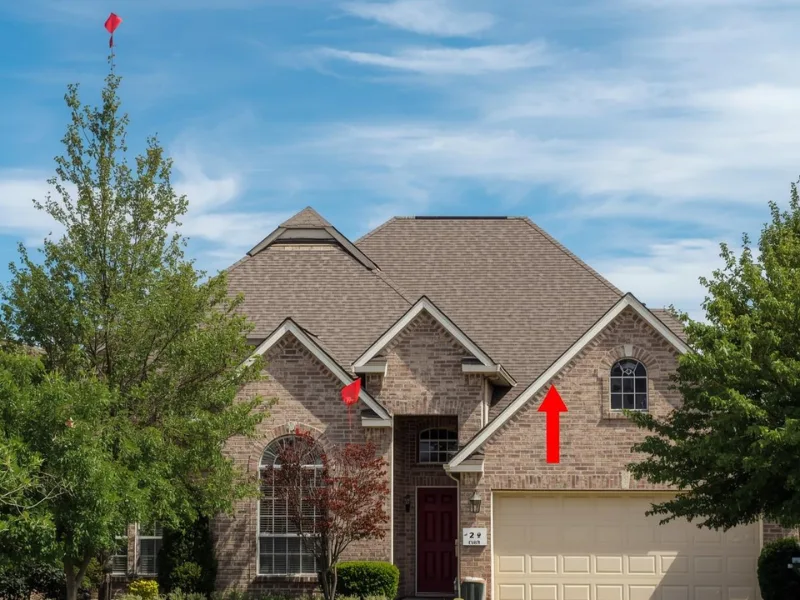
Asphalt shingles are the most common roofing material in Texas because they are affordable and widely available. However, the state’s intense sun exposure, high heat, and frequent hailstorms can significantly reduce their lifespan. Standard 3-tab shingles typically last around 15 to 20 years, while architectural shingles can last between 20 and 25 years under normal conditions.
In areas that experience frequent hail damage, these expected lifespans may be shortened even further due to repeated impact and accelerated wear.
Metal Roofing (40–70 Years)
Metal roofs perform exceptionally well in Texas heat because they reflect sunlight and help reduce heat absorption. They also offer strong resistance against fire, high winds, and hail compared to traditional asphalt shingles. Known for their excellent durability and energy efficiency, metal roofs can lower cooling costs during hot Texas summers.
Although they come with a higher upfront cost, their long lifespan and storm resistance make them a smart investment, especially in areas that experience frequent severe weather.
Tile/Clay (50–100 Years)
Clay and concrete tile roofs are extremely durable and perform exceptionally well in hot climates. They offer strong resistance to UV damage and can withstand years of intense sun exposure without significant deterioration. Known for their long lifespan, tile roofs can last several decades when properly maintained. However, they are heavy materials and require solid structural support to handle the weight. These roofing systems perform especially well in Central and South Texas climates, where heat resistance is essential.
Wood Shake (20–30 Years)
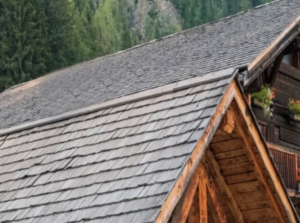
Wood shake roofs provide a beautiful, natural appearance that many homeowners appreciate, but they require regular maintenance to perform well in Texas conditions. They are sensitive to moisture, which can lead to rot or mold if not properly maintained. In extreme heat, wood shakes may dry out, crack, or warp over time. Because of these factors, wood shake roofs generally have a moderate lifespan in Texas compared to more durable materials like metal or tile.

How Texas Weather Shortens Roof Lifespan
Texas weather is one of the biggest reasons homeowners ask how often they should replace their roof in Texas. Here’s why:
UV Exposure & Extreme HeatThe
Texas sun is intense. Constant UV exposure breaks down roofing materials, dries out shingles, and causes cracking. High attic temperatures also speed up deterioration.
Hailstorms (Texas Leads the U.S.)
Texas experiences more hail events than most states. Even small hail can bruise shingles and weaken them over time.
High Winds & Storms
Strong winds can cause serious storm damage to a roof by lifting or tearing off shingles, loosening or damaging flashing, and exposing the underlayment beneath. When these protective layers are compromised, it can quickly lead to water intrusion and interior leaks. Depending on the severity of the storm damage, homeowners may only need partial repairs, but in more extensive cases, a full roof replacement may be necessary to restore proper protection and structural integrity.
7 Signs It’s Time to Replace Your Roof in Texas
Not sure whether you need a new roof? Look for these warning signs:
-
Shingles are curling or cracking
-
Granules are missing or collecting in gutters
-
Multiple leaks or water stains inside
-
Sagging roof areas
-
Mold or rot in the attic
-
Frequent repairs after storms
-
The roof is over 20 years old
If you notice several of these, it may be time to consider a roof replacement in Texas.
Roof Replacement vs. Repair: How to Decide
Sometimes repairs are enough. Other times, replacement is the smarter investment.
Choose repair if:
-
Damage is isolatedThe rooff is under 10–15 years old
-
No structural issues
Choose replacement if:
-
Damage is widespread
-
The roof is near the end of its lifespan
-
Storm damage affects large sections
-
You’ve had multiple repairs recently
When homeowners ask how often they should replace their roof in Texas, the answer often comes down to storm damage frequency and age.
When Is the Best Time of Year to Replace a Roof in Texas?
The best seasons for roof replacement in Texas are typically spring and fall, as these months offer moderate temperatures and fewer extreme weather events. Mild weather helps roofing materials install properly and allows crews to work more efficiently. While summer installations are possible, they may come at a higher cost due to increased demand and the challenges of working in extreme heat.
How Much Does a Roof Replacement Cost in Texas?
Roof replacement costs in Texas vary depending on:
-
Roof size
-
Material type
-
Labor
-
Location
-
Structural repairs
Average costs:
-
Asphalt shingles: $6,000–$15,000
-
Metal roofing: $15,000–$30,000
-
Tile roofing: $20,000–$40,000+
Storm damage may reduce out-of-pocket costs if insurance applies.
Does Homeowners Insurance Cover Roof Replacement in Texas?
In many cases, homeowners’ insurance will cover roof damage if it is caused by events such as hail, strong winds, or other storm-related impacts. These types of sudden and accidental damages are typically included in standard policies. However, insurance usually does not cover issues related to normal wear and tear, lack of maintenance, or damage due to old age.
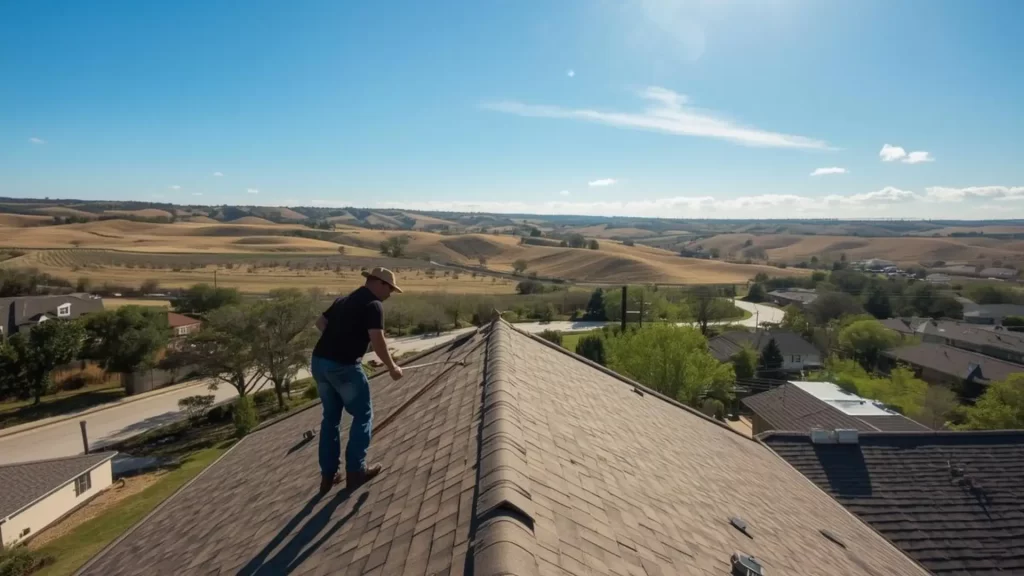
To protect your claim, it’s important to document any visible damage and schedule a professional roof inspection as soon as possible after major storms.