
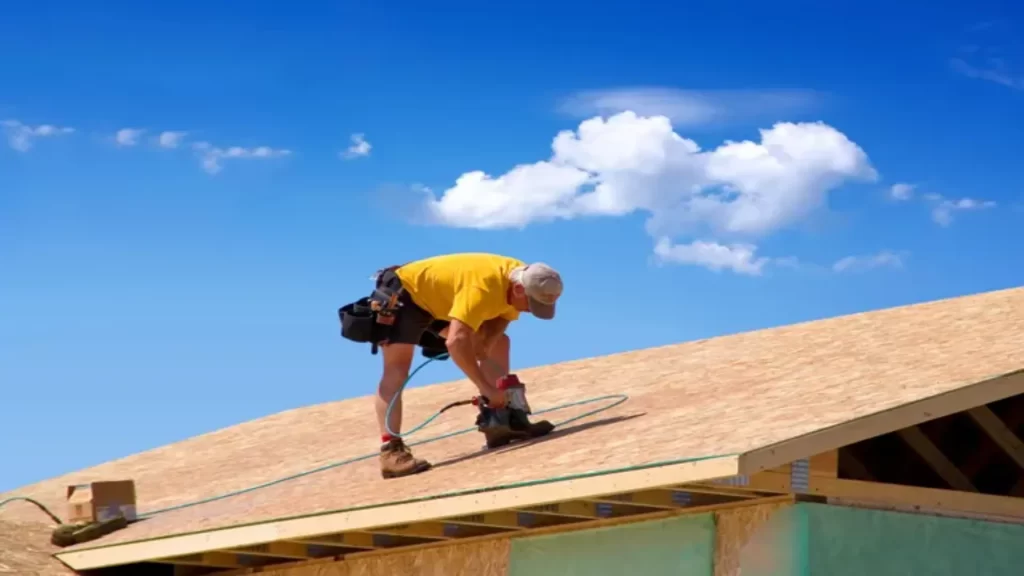
A roof deck is the structural layer that sits between your home’s framing and the roofing materials above it. It is usually made from plywood or oriented strand board (OSB) and acts as the base that supports shingles, underlayment, and other roofing components. Without a strong deck, the entire roofing system becomes vulnerable. Over time, exposure to moisture, temperature changes, and structural stress can weaken this layer.
When that happens, roof deck repair becomes necessary to restore stability and protect the home. Ignoring deck damage can lead to leaks, insulation problems, and even structural issues inside the house. Because the roof deck supports everything above it, keeping it in good condition helps extend the lifespan of the entire roof and prevents costly damage later.
What Causes Roof Deck Damage?
Several factors can weaken or damage a roof deck over time. The most common cause is water intrusion. When shingles or flashing fail, rainwater can seep through and soak into the wood decking. Moisture trapped in the decking leads to rot, mold growth, and structural weakening. Ice dams are another major contributor in colder climates. When snow melts and refreezes near the roof edge, water can back up under shingles and reach the decking layer.
Poor ventilation also plays a role. If warm, humid air becomes trapped in the attic, condensation can develop beneath the deck. Over time, this constant moisture exposure weakens the wood. Extreme weather events such as heavy storms, hail, and strong winds can also damage shingles and expose the decking below. Missing or broken shingles make the deck vulnerable to rain and debris. When these issues go unchecked, homeowners eventually need roof deck repair to restore the damaged sections and prevent further structural problems.
Warning Signs You Need Roof Decking Repair
Roof deck damage rarely happens overnight. In many cases, your home will show warning signs before the issue becomes severe. One common sign is a sagging roofline. If the decking beneath the shingles weakens, the roof surface may begin to dip or appear uneven. Interior ceiling stains are another indicator. Water stains or peeling paint on ceilings often signal that moisture has reached the decking layer.
Homeowners may also notice soft spots when walking on the roof during maintenance. If the decking feels spongy or unstable, the wood beneath may be deteriorating. A musty or mold-like smell in the attic can also point to moisture trapped in the deck material. In some cases, you may notice “telegraphing,” where the outline of warped or damaged deck boards becomes visible through the shingles. When these signs appear, scheduling Roof decking repair quickly helps prevent larger structural issues.
Types of Roof Deck Restoration
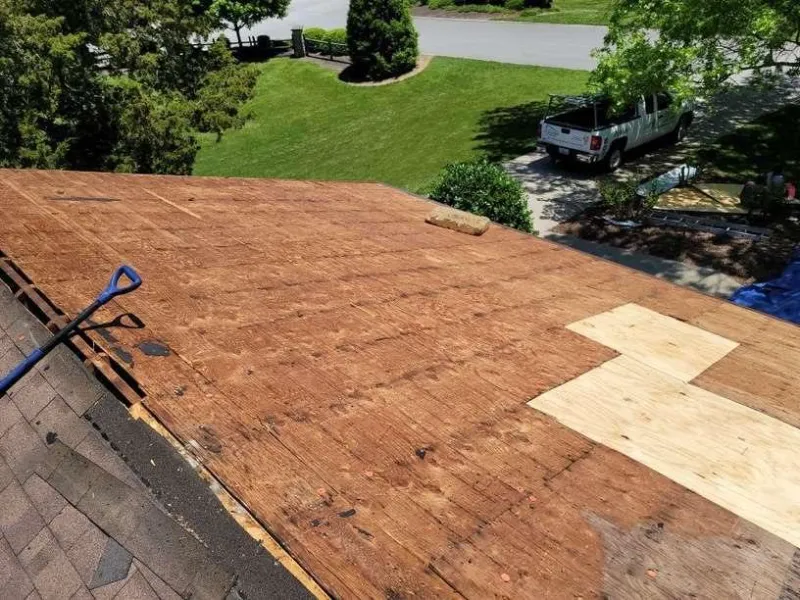
Roof deck damage varies depending on the cause and severity. As a result, repair methods also differ. Minor cracks or surface damage may only require patching or sealing the affected area. This is usually done when the deck remains structurally sound but has small defects. If sections of decking have rotted due to water exposure, contractors typically remove the damaged panels and replace them with new plywood or OSB. In cases where the deck has weakened but not completely failed, contractors may use a technique called sistering.
This involves attaching a new board alongside the damaged section to reinforce its strength. Loose or missing fasteners can also cause decking issues. Repairing or replacing these fasteners helps secure the deck to the roof framing. Some older decking materials may also experience delamination, where layers of wood begin separating. In those situations, replacing the affected panels is often the most effective solution. Each of these methods falls under professional Roof deck restoration, ensuring the roof structure remains stable and secure.
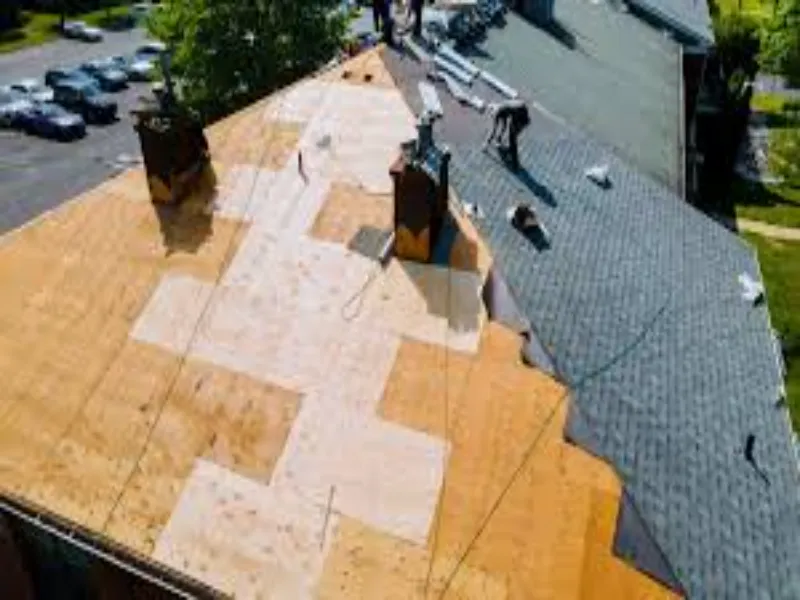
Roof Deck Repair Costs: Cost breakdown
The cost of repairing roof decking depends on several factors, including the extent of damage, the repair method required, and the size of the affected area. Minor patching or localized repairs generally cost around $2 to $5 per square foot. These repairs usually involve sealing small cracks or replacing limited sections of decking. Moderate repairs, such as replacing damaged plywood panels or reinforcing weakened areas, typically range from $5 to $10 per square foot.
More extensive structural repairs, especially when large sections of decking must be removed and replaced, can cost $10 to $15 per square foot. Labor, roof accessibility, and regional construction costs also influence the final price. Addressing problems early usually keeps the repair smaller and more affordable.
DIY vs. Hiring a Professional
Some homeowners consider handling minor roofing repairs themselves. Small tasks like clearing debris, sealing minor gaps, or replacing a few shingles may be manageable for experienced DIYers. However, structural issues involving the roof deck require more expertise. Working on a roof can also be dangerous without proper safety equipment.
If decking damage involves rot, structural weakening, or widespread moisture issues, professional help is usually the safer option. Roofing contractors have the tools, experience, and safety training needed to perform effective repairs. In most situations, professional Roof deck replacement ensures the job is completed correctly and reduces the risk of further damage.
How to Choose a Roof Deck Replacement Contractor
Choosing the right contractor plays a major role in the quality of your roof repair. Start by looking for licensed and insured roofing professionals with experience in structural roof work. Contractors who specialize in roofing systems understand how decking interacts with ventilation, underlayment, and shingles. Check online reviews, request references, and verify their previous projects. A reliable contractor should also provide a written estimate explaining the repair process and materials.
Transparency is another important factor. Contractors should explain what caused the damage and how the repair will prevent the issue from returning. Taking the time to choose the right professional helps ensure the roof deck repair is durable and long-lasting.
Final Thought
The roof deck plays a critical role in supporting and protecting your entire roofing system. When it becomes damaged, addressing the issue quickly helps prevent leaks, structural damage, and costly repairs. Regular inspections, proper ventilation, and early maintenance can reduce the risk of decking problems. If you notice signs such as sagging, water stains, or soft spots, scheduling a professional inspection is the best step.
If you suspect any of these issues, don’t wait for the damage to get worse. Contact our team today to schedule a roof inspection and discuss reliable Roof sheathing repair solutions. Our experienced professionals will assess the condition of your roof deck and recommend the safest and most effective repair options to protect your home.
Join Our Community
Join our community on Facebook, and don’t forget to subscribe to us on YouTube for new content each week.
FAQs
1. What is a roof deck?
A roof deck is the structural layer beneath shingles that supports the entire roofing system and connects the roof covering to the house frame.
2. What causes roof deck damage?
Roof deck damage usually comes from water intrusion, poor ventilation, missing shingles, ice dams, or long-term exposure to extreme weather.
3. How do I know if my roof deck is damaged?
Common signs include sagging roof areas, ceiling water stains, soft spots on the roof, mold smells in the attic, or uneven shingle lines.
4. How much does Roof sheathing repair cost?
Most roof deck repairs cost between $2 and $15 per square foot, depending on the damage level and repair method.
5. Can roof deck repair be done without replacing the roof?
Yes. Minor damage can be repaired by replacing small sections of decking without installing a full new roof.