

Hurricane season roof preparation is one of the most critical steps a homeowner in a storm-prone region can take to protect their property, their family, and their finances before the first storm of the season arrives. Most homeowners wait until a named storm is days away before thinking about their roof, and by that point, contractors are booked solid, materials are sold out, and there is no time left to address the vulnerabilities that turn a moderate storm into a catastrophic loss.
By understanding what to inspect, what to reinforce, when to act, and how to work with professionals ahead of the season, you can dramatically reduce the risk of roof failure when it matters most. This guide covers everything you need to know.
What is Hurricane Season Roof Preparation? (The Simple Definition)
Hurricane season roof preparation is the process of inspecting, reinforcing, and weatherproofing your roof before peak storm season to reduce the risk of wind damage, water intrusion, and structural failure during a hurricane or tropical storm. It involves identifying and repairing existing vulnerabilities, upgrading weak points that standard construction may not have addressed, and ensuring that every component of the roof system can perform under sustained high winds and heavy rainfall.
In the United States, the Atlantic hurricane season runs from June 1 through November 30, with peak activity occurring between August and October. Preparation should begin no later than April or May to ensure contractor availability and material lead times are not a limiting factor.
Hurricane Roof Risk by Component
| Roof Component | Hurricane Risk Level | Common Failure Mode | Priority |
|---|---|---|---|
| Roof edges and eaves | Very High | Wind uplift peels shingles from the edges inward | Immediate |
| Flashing (chimney, vents, valleys) | High | Water intrusion at unsealed gaps | Immediate |
| Ridge cap shingles | High | First to lift and blow off in high winds | High |
| Roof deck attachment | High | Deck separation from rafters under uplift | High |
| Skylights and roof windows | High | Seal failure and frame damage | High |
| Field shingles (mid-roof) | Moderate | Granule loss and cracking after impact | Moderate |
| Gutters and downspouts | Moderate | Overflow causing fascia and soffit damage | Moderate |
Edge and flashing failures are responsible for the majority of hurricane roof losses, making them the highest priority in any preparation plan.
Why Hurricane Season Roof Preparation Matters (The Real Cost Breakdown)
The Price of Being Unprepared
| Damage Scenario | Repair or Replacement Cost | Root Cause |
|---|---|---|
| Partial shingle blow-off (one slope) | $1,500 to $5,000 | Loose or aged shingles with no pre-season reinforcement |
| Full roof replacement after a storm | $8,000 to $20,000 | Deck exposure and water damage from delayed preparation |
| Interior water damage (ceiling and walls) | $5,000 to $25,000 | Flashing failure or missing shingles during a storm |
| Mold remediation after storm flooding | $3,000 to $10,000 | Sustained moisture intrusion through an unprepared roof |
| Structural repair (rafters and decking) | $4,000 to $15,000 | Wind uplift on an under-fastened roof deck |
A thorough pre-season roof preparation inspection and reinforcement typically costs $300 to $1,200, depending on the condition of the roof and the scope of work needed. That investment stands between your home and tens of thousands in storm damage.
The Insurance Angle
Manyhomeowners’s insurance policies include wind mitigation credits for documented roof upgrades such as secondary water barriers, hurricane straps, and impact-rated roofing materials. In high-risk states like Florida, these credits can reduce annual premiums by 20 to 45 percent. A wind mitigation inspection, which formally documents your roof’s storm resistance features, costs $75 to $150 and can pay for itself in the first year of premium savings.
Types of Hurricane Roof Vulnerabilities: Know Your Roof First
Different roofs have different vulnerability profiles in a hurricane, and identifying which weaknesses apply to your home is the starting point for an effective preparation plan. Older asphalt shingle roofs installed before modern wind-resistance standards are among the most vulnerable. Shingles from the 1990s and early 2000s were frequently installed with four nails per shingle rather than the six now required by code in high-wind zones, leaving them prone to lifting and blow-off in sustained winds above 60 miles per hour.
Hip roofs, which slope on all four sides, perform significantly better in hurricanes than gable roofs. Gable ends act as sails in high winds, creating pressure that pushes inward on the wall and upward on the roof deck. Homes with gable roofs in hurricane zones should prioritize gable end bracing as part of their preparation plan. Flat or low-slope roofs on residential structures face a different threat: standing water from the rainfall rates that accompany hurricanes can overwhelm drainage systems and add hundreds of pounds of weight to a deck not designed for ponding loads.
Metal roofs are generally more hurricane-resistant than asphalt shingle roofs when properly installed with concealed fasteners and adequate seam locking. However, exposed-fastener metal panels can experience fastener backing out over time, creating lift points that perform poorly under wind uplift. Tile roofs, whether clay or concrete, are heavy and wind-resistant when mechanically fastened, but mortar-set tiles without mechanical fasteners can dislodge and become dangerous projectiles in Category 2 and above storms.
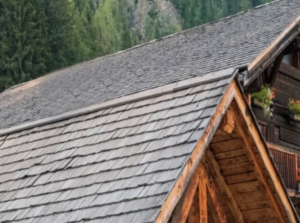
Wood shake roofs are among the least hurricane-resistant options due to their susceptibility to moisture absorption, splitting, and the difficulty of achieving a sealed, wind-resistant surface.
Hurricane Roof Preparation Checklist: Step-by-Step
A complete hurricane season roof preparation plan covers every component from the ground up.
Step 1: Schedule a professional roof inspection. Have a licensed roofing contractor perform a full inspection no later than May 1. The inspection should document the condition of shingles, flashing, ridge cap, soffits, fascia, and gutters, and identify any repairs needed before storm season begins.
Step 2: Repair or replace damaged shingles. Any shingle that is cracked, curling, missing, or has lost significant granule coverage should be replaced before hurricane season. These are the first points of failure when wind loads increase.
Step 3: Reinforce roof edges and drip edge flashing. Roof edges are the highest-risk area in a hurricane. Confirm that drip edge metal is fully secured along all eaves and rakes. Consider applying additional roofing cement or ice and water shield underlayment along the first 3 feet of the roof from each edge.
Step 4: Inspect and reseal all roof penetrations. Check every point where something passes through the roof surface, including plumbing vents, exhaust fans, skylights, and chimneys. Reseal any flashing that shows signs of lifting, cracking, or separation with roofing-grade caulk or flashing cement.
Step 5: Check and reinforce the roof-to-wall connection. In the attic, confirm that hurricane straps or clips connect each rafter or truss to the top plate of the wall below. Homes built before 1994 in Florida or before 2001 in other Gulf Coast states frequently lack this connection and are significantly more vulnerable to uplift.
Step 6: Clear and secure gutters and downspouts. Clean gutters of all debris and confirm that downspouts are directing water at least 4 feet away from the foundation. Overflow during the rainfall rates of a tropical storm can cause fascia rot and soffit damage that compromises the roof edge.
Step 7: Document the roof condition with photos. Before hurricane season begins, photograph every slope of the roof, all flashing areas, and the attic interior. This documentation is invaluable for insurance claims if storm damage occurs.
Pre-Season Preparation Timeline
| Task | Ideal Completion Date | Who Performs It |
|---|---|---|
| Professional roof inspection | By May 1 | Licensed roofing contractor |
| Shingle repair or replacement | By May 31 | Licensed roofing contractor |
| Flashing and penetration sealing | By May 31 | Contractor or experienced DIY |
| Hurricane strap inspection | By May 31 | Contractor or home inspector |
| Gutter cleaning and securing | By June 1 | Homeowner or contractor |
| Photo documentation | Before June 1 | Homeowner |
| Wind mitigation inspection | By June 1 | Certified wind mitigation inspector |
Common Hurricane Roof Preparation Mistakes to Avoid
Waiting until a storm is in the forecast to begin preparation is the most costly mistake a homeowner in a hurricane zone can make. Roofing contractors are booked weeks in advance once a storm threat is identified, and emergency repair pricing during storm season can be two to three times higher than standard rates. Preparation done in April or May avoids both problems entirely.
Applying roofing caulk or sealant over existing damaged flashing without removing and replacing the compromised material creates a false sense of security. Caulk applied over cracked or lifted flashing will fail under the sustained water pressure of a hurricane, allowing intrusion at exactly the moment it matters most.
Overlooking the attic as part of hurricane preparation leaves one of the most revealing inspection points unchecked. Soft spots in the decking, missing hurricane straps, and inadequate rafter-to-plate connections are only visible from inside the attic and will not appear on a surface-only exterior inspection.
Assuming a roof that passed last year’s storm season is ready for this one is a dangerous miscalculation. Roofing materials degrade every year, UV exposure weakens sealants, and a roof that handled a Category 1 storm intact may not survive a Category 2 or 3 in its current condition.
Skipping the wind mitigation inspection because the premium discount seems modest is a missed opportunity. Beyond the financial savings, the inspection itself identifies specific vulnerabilities that a standard roofing inspection may not document, giving homeowners a precise list of upgrades that deliver measurable storm resistance improvements.
Hurricane Roof Preparation Benchmarks by Roof Age
The age of your roof is one of the strongest predictors of its hurricane performance, and preparation priorities shift significantly depending on how many years your roof has been in service. Roofs 0 to 5 years old installed under current building codes in wind zone areas are likely to perform well if the installation quality is high. Preparation at this stage focuses on confirming that all flashing is properly seated, all penetrations are sealed, and no installation defects exist that were not caught at the time of completion.
Between 5 and 10 years, UV exposure begins to reduce the flexibility and adhesion of shingle sealant strips, which are the thin adhesive bands that bond one shingle course to the next and resist wind uplift. Confirming that sealant strips are still active and not dried out is an important inspection point at this age. At 10 to 15 years, shingles are approaching the midpoint of their rated lifespan, and granule loss begins to accelerate.
A pre-season inspection at this stage should include a granule loss assessment and a check for any shingles that have begun to curl at the edges or corners, both of which indicate reduced wind resistance.
Between 15 and 20 years, roofs are in the high-vulnerability window for hurricane season. Underlayment thinning, flashing corrosion, and shingle brittleness all increase the risk of failure in a major storm at this age. Homeowners should give serious consideration to a full roof replacement before hurricane season if the roof falls in this age range and has not been recently inspected. Over the past 20 years, most standard asphalt shingle roofs should be replaced before hurricane season begins, regardless of apparent surface condition.
The underlying components, particularly the underlayment and fasteners, may have degraded to a point where the roof cannot perform to any reliable wind resistance standard.
Technology Tools Homeowners Can Use
Modern tools make hurricane roof preparation more thorough and more documented than was possible a decade ago. Drone inspection services allow a licensed roofing contractor or inspector to photograph and video the entire roof surface at high resolution without setting foot on the roof, producing a detailed visual record of every shingle, flashing point, and ridge cap that can be compared year over year.
Satellite-based roof measurement services provide accurate square footage, slope, and geometry data that contractors use to prepare material estimates, allowing homeowners to get multiple quotes quickly without scheduling multiple physical visits.
Thermal imaging cameras detect moisture trapped beneath shingles or inside roof assemblies that would not be visible in a standard visual inspection, identifying areas of latent water damage before they become active leak points during a storm. Wind mitigation inspection software used by certified inspectors generates a standardized report accepted by most insurance carriers, documenting every measurable hurricane resistance feature of the roof and structure.
Storm tracking and alert apps allow homeowners to monitor developing storm systems weeks in advance, providing enough lead time to schedule any last-minute preparation work before contractor availability disappears as a storm approaches.
DIY Preparation vs. Professional Preparation: Know the Difference
Homeowners can safely perform several hurricane preparation tasks without professional help. Cleaning gutters and downspouts, inspecting attic spaces for visible signs of deck damage or missing hurricane straps, photographing the roof from the ground using a zoom lens or binoculars, and monitoring weather alerts to plan are all tasks that require no specialized skills or equipment.
However, walking on the roof to inspect or repair shingles, reseating or replacing flashing, applying roofing cement or sealant at penetration points, installing hurricane straps in the attic, and any work involving roof edge reinforcement should be performed by a licensed roofing contractor. These tasks require fall protection, roofing-specific materials, and the expertise to identify problems that a non-professional inspection would miss. In hurricane zones, improperly completed repairs can actually create new vulnerability points that perform worse in a storm than the original unrepaired condition.
Seek immediate professional attention if the attic inspection reveals daylight visible through the decking, if multiple shingles are already missing or displaced before storm season even begins, or if the roof deck feels soft or spongy when walked on during a contractor inspection. These are signs that the roof may require replacement rather than repair, and that heading into hurricane season with the current roof condition carries a significant risk of catastrophic failure.
Final Thoughts
Hurricane season roof preparation is not an optional task for homeowners in storm-prone regions. It is the single most effective action available to reduce the financial and physical devastation that a direct or near-direct storm can cause. Starting in April, working through a systematic checklist, and investing in a professional inspection and any identified repairs, puts your home in the best possible position before the season begins. The time to prepare is never when a storm is in the forecast. It is right now.
FAQs
1. When should I start hurricane season roof preparation?
A: Begin preparation no later than April or May, well before the June 1 official start of hurricane season. This ensures contractor availability, allows time for material procurement, and avoids the emergency pricing that comes with storm-season demand.
2. What are the most important parts of the roof to prepare for hurricane season?
A: Roof edges, drip edge flashing, ridge cap shingles, and all penetration flashings are the highest priority. These are the first points of failure in high winds and the most common source of water intrusion after a storm.
3. Does my roof age affect how much hurricane preparation I need?
A: Yes, significantly. Roofs between 15 and 20 years old are in the highest vulnerability window and may require replacement rather than repair before hurricane season. Roofs under 10 years old with proper installation primarily need inspection and minor reinforcement.
Q: Can hurricane roof preparation lower my homeowners’ insurance premium?
A: Yes. A certified wind mitigation inspection documents your roof’s storm resistance features and can qualify you for premium discounts of 20 to 45 percent in high-risk states. The inspection costs $75 to $150 and often pays for itself in the first year.
Q: What should I do to my roof if a hurricane warning is issued with less than 48 hours’ notice?
A: At that point, focus on actions that do not require roofing work: clear gutters of debris, move loose outdoor items that could become projectiles, document your roof condition with photos for insurance purposes, and confirm your coverage details.