Why Roof Weight Capacity Matters for San Antonio Homeowners
Your roof does more than keep the rain out — it’s a structural system engineered to carry a specific load. Understanding roof weight capacity is one of the most important yet overlooked aspects of homeownership in San Antonio. Whether you’re thinking about upgrading to heavier roofing materials, adding solar panels, or simply want to know your home can handle what Texas weather throws at it, knowing your roof’s limits can save you from costly structural damage and safety hazards.
At SoTex Roofing and Exteriors, we work with San Antonio homeowners every day to evaluate, repair, and replace roofs — and roof weight capacity is a topic we take very seriously. Here’s what every local homeowner should know.
Understanding Roof Weight Capacity: The Basics
Roof weight capacity refers to the maximum load your roof’s structural framing — the rafters, trusses, and decking — can safely support without risk of failure. This load is measured in pounds per square foot (PSF) and is divided into two categories:
Dead load refers to the permanent, static weight of the roofing materials themselves — things like shingles, underlayment, decking, and insulation. Most standard residential roofs in San Antonio are designed to handle a dead load of around 10–15 PSF.
Live load refers to temporary or variable weight — think HVAC equipment, workers during maintenance, or in rare San Antonio situations, accumulated debris after a major storm. Building codes typically require roofs to support a live load of 20 PSF or more.
Together, these factors determine your total allowable roof weight capacity, and exceeding that limit — even gradually — puts your home at serious risk.
How Roofing Material Choices Affect Roof Weight Capacity
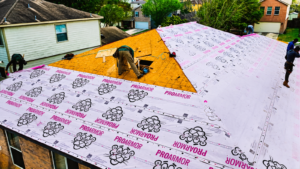
One of the most common moments when roof weight capacity becomes critical is during a roof replacement. Not all roofing materials weigh the same, and swapping one for another without checking your structure first can be a costly mistake.
Here’s a general comparison of common roofing materials and their approximate weights per square (100 square feet):
- Asphalt shingles — 200–350 lbs per square (the most common choice in San Antonio)
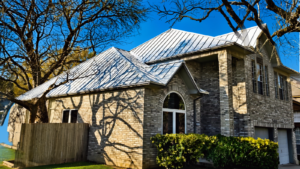
- Metal roofing — 50–150 lbs per square (lightweight and increasingly popular)
- Concrete tile — 900–1,200 lbs per square (significantly heavier)
- Clay tile — 600–1,000 lbs per square
- Wood shake — 250–350 lbs per square
If your San Antonio home was originally built with lightweight asphalt shingles and you’re considering upgrading to concrete or clay tile for that classic Texas Hill Country aesthetic, your existing framing may not have sufficient roof weight capacity to handle the transition. Before making any material upgrade, a professional evaluation is essential.
San Antonio-Specific Factors That Impact Your Roof’s Load
San Antonio’s climate presents some unique considerations when it comes to roof weight capacity. While we don’t typically deal with heavy snow loads like northern states, our region has its own set of challenges.
Hailstorms are frequent in the San Antonio area, and large hail can accumulate debris and cause hidden damage that weakens structural members over time. A compromised rafter or truss doesn’t support weight the way it should, effectively reducing your roof’s load-bearing ability even if it looks fine from the street.
Intense heat and thermal cycling — the constant expansion and contraction of materials through our hot summers and cooler winters — can cause wood framing to warp or dry out over decades, subtly reducing roof weight capacity without any obvious signs of damage.
High wind events don’t add weight to a roof, but they do place uplift forces on the structure. A roof already stressed near its weight limit may be more vulnerable to wind damage because the framing components are already under strain.
Adding Solar Panels? Check Your Roof Weight Capacity First
Solar energy adoption is booming across San Antonio, and for good reason — with our abundant sunshine, the return on investment can be excellent. But solar panels add significant weight to your roof. A typical residential solar array can add 2–4 PSF across the installation area, and when you factor in the racking hardware and wiring, the total load increases further.
Before any solar installation, reputable solar companies should request a structural assessment, but not all do. At SoTex Roofing and Exteriors, we strongly recommend having your roof weight capacity professionally evaluated before committing to any solar project. If your roof is older or was built to minimum code standards, reinforcement may be needed — and it’s far better to know that before the panels go up.
Warning Signs That Your Roof May Be Overloaded
As a homeowner, there are several warning signs that your roof weight capacity may be under stress:
Sagging or bowing in the roofline is one of the most visible and serious indicators. Any visible dip or curve in what should be a straight roofline warrants immediate professional attention.
Cracking or popping sounds coming from the attic, especially after adding weight like HVAC equipment, can indicate that framing members are under excessive stress.
Doors and windows that stick or no longer close properly can be a sign that the structure is shifting due to excessive roof load — this one is often overlooked by homeowners.
Visible cracks in interior ceilings or walls, particularly near the top of walls, can also signal that the roof structure is transferring excessive loads into the walls below.
If you notice any of these warning signs, stop adding weight to the roof immediately and call a professional.
How SoTex Roofing and Exteriors Can Help
At SoTex Roofing and Exteriors, we’re proud to serve San Antonio homeowners with honest, expert guidance on all things roofing — including roof weight capacity evaluations. Our experienced team can inspect your existing structure, assess your current load, and help you make informed decisions whether you’re replacing your roof, upgrading materials, adding solar, or simply want peace of mind.
Don’t wait for a warning sign to become a structural failure. Contact SoTex Roofing and Exteriors today and let us help you protect one of your biggest investments — your home.