
What Is a Roof Valley and Why Does It Matter?
If you’ve ever looked at your roofline and noticed the V-shaped channels where two slopes of your roof meet, you’ve spotted a roof valley. These sections are among the most critical — and most vulnerable — parts of your entire roofing system. Because they act as drainage highways, channeling thousands of gallons of rainwater off your roof every year, they experience far more wear and stress than other areas. At SoTex Roofing and Exteriors, we perform thorough roof valley inspections for San Antonio homeowners on a regular basis, and we consistently find the same problem areas causing the most damage. Understanding what to look for can save you from costly repairs down the road.
Why Roof Valley Inspections Are Essential in San Antonio
San Antonio’s climate is no joke. We see intense summer heat, heavy seasonal rainstorms, and the occasional hailstorm that can accelerate deterioration across your entire roofline. Because roof valleys handle the bulk of water runoff, any weakness or damage in this area can quickly lead to leaks, wood rot, and interior water damage. A professional roof valley inspection is the most reliable way to catch these issues before they spiral into full-scale roof replacements or structural repairs.
Many homeowners assume their roof is fine if they don’t see an active leak inside their home. Unfortunately, by the time water is dripping through your ceiling, the damage has already been building for months — sometimes years. A proactive roof valley inspection gives you a clear picture of what’s happening in these high-risk zones before the problem reaches your living space.
Common Problem Areas Found During a Roof Valley Inspection
1. Cracked or Missing Flashing
Flashing is the metal material — typically aluminum or galvanized steel — that lines the roof valley and directs water away from the seams where two roof planes meet. Over time, San Antonio’s heat cycles cause flashing to expand and contract repeatedly, which can lead to cracking, lifting, or separation from the surrounding shingles. During a roof valley inspection, damaged flashing is one of the first things our team looks for. When flashing fails, water has a direct path into your decking and attic.
2. Shingle Deterioration and Granule Loss
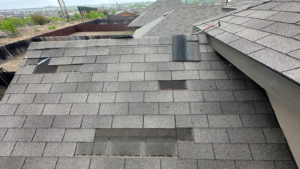
Asphalt shingles in roof valleys wear out faster than shingles on flat sections of the roof. The concentrated water flow scrubs away the protective granule coating over time, leaving the underlying asphalt exposed to UV rays and moisture. During a roof valley inspection, our technicians examine shingles closely for bare spots, cracking, cupping, or curling edges. Granule buildup in your gutters is often a telltale sign that your roof valley shingles are nearing the end of their lifespan.
3. Improper Valley Installation
Not all roof valleys are created equal. There are open valleys, closed-cut valleys, and woven valleys — and each must be installed correctly to perform well. A poorly executed installation can create gaps, uneven overlaps, or insufficient sealing that allows water infiltration from day one. When we conduct a roof valley inspection on older homes or recently re-roofed properties, we frequently discover installation shortcuts that compound over time. Getting it right from the start matters enormously in a climate like ours.
4. Debris Accumulation
Leaves, twigs, and other organic debris tend to collect in roof valleys because of their natural funnel shape. When debris sits in a roof valley for extended periods, it holds moisture against the shingles and flashing, accelerating deterioration and encouraging mold and algae growth. In some cases, heavy debris buildup can even redirect water flow toward the edge of the roof valley rather than down through it properly. During a roof valley inspection, we clear debris and assess whether existing buildup has caused any measurable damage to the materials beneath.
5. Sealant Failure
Many roof valley systems use roofing cement or sealant along the edges to create a watertight barrier. Over time, this sealant dries out, shrinks, and cracks — especially under South Texas sun. Once the sealant fails, water can wick underneath shingles and flashing with every rain event. A detailed roof valley inspection will identify sealant degradation early, allowing for a relatively inexpensive fix before it becomes a structural problem.
What Happens If You Skip the Roof Valley Inspection?
Neglecting a roof valley inspection might seem harmless in the short term, but the consequences can be significant. Water infiltration that begins in a damaged roof valley can spread to your roof deck, insulation, rafters, and interior walls. Mold growth is another serious concern, particularly in San Antonio’s humid summer months. What starts as a minor flashing issue or a few deteriorated shingles can turn into a repair bill in the thousands — or a full roof replacement — if left unaddressed.
How Often Should You Schedule a Roof Valley Inspection?
At SoTex Roofing and Exteriors, we recommend that San Antonio homeowners schedule a professional roof valley inspection at least once a year — ideally in the spring before storm season ramps up. Additionally, you should request a roof valley inspection after any major weather event, including hailstorms, high winds, or extended periods of heavy rainfall. If your home is more than ten years old and has never had a dedicated inspection of this area, now is the time.
Trust SoTex Roofing and Exteriors for Your Roof Valley Inspection
Our team has been serving San Antonio homeowners for years, and we understand exactly what local conditions do to roofing systems over time. A comprehensive roof valley inspection from SoTex Roofing and Exteriors includes a full assessment of your flashing, shingles, sealants, and drainage flow — with honest, straightforward recommendations and no pressure tactics.
Don’t wait for a ceiling stain to tell you something is wrong. Contact SoTex Roofing and Exteriors today to schedule your roof valley inspection and protect the investment you’ve made in your home.