
Severe storms are a reality for homeowners in San Antonio. Strong winds, hail, heavy rain, and flying debris can leave your home vulnerable in just a matter of minutes. While the storm may pass quickly, the decisions you make in the first 24 hours can have a significant impact on your home’s safety, the extent of the damage, and even your insurance claim.
Knowing the proper post storm roof steps can help you protect your property, minimize additional damage, and begin the recovery process with confidence. Whether your roof has suffered visible damage or you simply suspect something isn’t right, acting quickly is always the best approach.
At SoTex Roofing and Exteriors, we’ve helped countless San Antonio homeowners recover after severe weather. Here’s what you should do during the first day after a storm.
Put Safety First
Before checking your roof or walking around your property, make sure it’s safe to do so.
Storms can leave behind hazards such as:
- Downed power lines
- Broken tree limbs
- Loose building materials
- Flooded areas
- Structural damage
If your home has experienced major damage, stay outside and contact emergency services if necessary. Your safety should always come before inspecting your property.
Following safe post storm roof steps starts with protecting yourself and your family.
Check for Visible Damage From the Ground
Once it’s safe, perform a visual inspection without climbing onto the roof.
Look for signs such as:
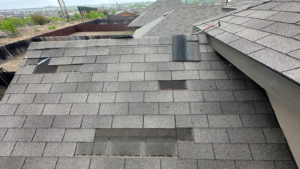
- Missing shingles
- Fallen tree branches
- Damaged gutters
- Bent flashing
- Pieces of roofing material in the yard
- Sagging roof sections
- Visible holes or punctures
Using binoculars can help you get a closer look while staying safely on the ground.
Never attempt to walk on a storm-damaged roof, as hidden structural damage may make it unstable.
Inspect the Inside of Your Home
Roof damage isn’t always visible from outside.
Walk through your home and check for:
- Water stains on ceilings
- Damp walls
- Active leaks
- Dripping water
- Wet insulation in the attic
- Musty odors
Even a small leak can indicate larger roofing problems that require immediate attention.
These inspections are an important part of your post storm roof steps because interior damage often develops before exterior issues become obvious.
Document Everything
Before making temporary repairs or cleaning up debris, take photographs.
Capture images of:
- The roof
- Missing shingles
- Fallen trees
- Damaged gutters
- Interior water damage
- Broken windows
- Damaged siding
- Fence damage
Photographs provide valuable evidence when filing an insurance claim.
If possible, record videos as well to document the condition of your property immediately after the storm.
Prevent Additional Damage
If your roof has been compromised, taking temporary measures can help reduce further damage until permanent repairs are completed.
You may need to:
- Place buckets under leaks
- Move furniture away from water
- Cover valuables with plastic
- Remove standing water
- Contact a roofing contractor for emergency tarping
Temporary protection is one of the most important post storm roof steps because additional water intrusion can significantly increase repair costs.
Contact Your Insurance Company
Notify your homeowner’s insurance provider as soon as possible.
When filing your claim:
- Describe the storm damage clearly.
- Share photographs.
- Ask about your deductible.
- Request information about the claims process.
- Keep records of all communications.
Prompt reporting helps ensure your claim moves forward without unnecessary delays.
Schedule a Professional Roof Inspection
Not all storm damage is easy to identify.
Professional roofing contractors look for hidden issues including:
- Lifted shingles
- Hail impacts
- Cracked flashing
- Damaged underlayment
- Roof deck damage
- Vent damage
A professional inspection provides a complete understanding of your roof’s condition and supports your insurance documentation.
Adding this step to your post storm roof steps helps prevent hidden damage from becoming major problems later.
Don’t Attempt Major Repairs Yourself
Many homeowners are tempted to repair storm damage immediately.
However, DIY roof repairs can:
- Create safety risks
- Miss hidden damage
- Void manufacturer warranties
- Complicate insurance claims
Instead, leave permanent repairs to experienced roofing professionals who understand proper installation techniques and local building requirements.
Watch for Signs of Hidden Damage
Storm damage isn’t always dramatic.
Some issues take days or weeks to appear.
Watch for:
- New ceiling stains
- Peeling paint
- Mold growth
- Loose shingles
- Granules collecting in gutters
- Higher energy bills
- Drafts in the attic
These warning signs may indicate damage that wasn’t immediately visible after the storm.
Understand the Types of Storm Damage
Texas storms can affect roofs in several ways.
Wind Damage
Strong winds can:
- Lift shingles
- Remove ridge caps
- Damage flashing
- Pull gutters loose
Hail Damage
Hail may cause:
- Granule loss
- Bruised shingles
- Cracks
- Dented metal components
Water Damage
Heavy rainfall can exploit existing weaknesses, leading to:
- Roof leaks
- Rotting wood
- Mold
- Ceiling damage
Understanding these issues helps homeowners recognize why thorough post storm roof steps are so important.
Keep Records of Every Expense
During the recovery process, save receipts for:
- Emergency tarping
- Temporary repairs
- Hotel accommodations if required
- Cleanup services
- Water removal
Some expenses may qualify for reimbursement through your insurance policy.
Good recordkeeping also helps organize your claim more efficiently.
Avoid Storm Chasing Contractors
Unfortunately, severe weather often attracts contractors who travel from community to community after storms.
Protect yourself by choosing a local roofing company with an established reputation.
Look for contractors who:
- Are licensed and insured
- Have local references
- Provide written estimates
- Offer clear communication
- Never pressure you into immediate decisions
Working with a trusted local contractor gives you confidence that support will still be available long after repairs are completed.
Plan for Permanent Repairs
Once your roof has been professionally inspected and your insurance claim is underway, permanent repairs can begin.
Depending on the damage, this may include:
- Replacing missing shingles
- Installing new flashing
- Repairing decking
- Replacing gutters
- Full roof replacement if necessary
Every roof is different, so repair recommendations should always be based on a thorough inspection rather than assumptions.
Prevent Future Storm Damage
While no roof is completely storm-proof, homeowners can reduce future risks with regular maintenance.
Helpful practices include:
- Annual roof inspections
- Gutter cleaning
- Tree trimming
- Prompt repairs
- Attic ventilation improvements
- Replacing aging roofing materials
Preventive maintenance keeps your roof in better condition before the next storm arrives.
Why Choose SoTex Roofing and Exteriors?
At SoTex Roofing and Exteriors, we understand how stressful storm damage can be for homeowners. Our experienced team responds quickly to inspect roofs, document damage, and provide dependable repair solutions that restore your home’s protection.
Our services include:
- Storm damage inspections
- Roof repairs
- Roof replacements
- Emergency tarping
- Insurance claim assistance
- Preventive roof maintenance
We’re committed to helping San Antonio homeowners recover quickly with quality workmanship and honest recommendations.
Final Thoughts
The first day after a storm is one of the most important times for protecting your home. Following the proper post storm roof steps helps reduce additional damage, supports your insurance claim, and gives roofing professionals the information they need to restore your roof efficiently.
Even if your roof appears undamaged, hidden issues can develop into costly repairs if left untreated. That’s why scheduling a professional inspection after severe weather is always a smart investment.
If your San Antonio home has recently experienced high winds, hail, or heavy rain, don’t wait for small problems to become major ones. Contact SoTex Roofing and Exteriors today for a thorough inspection and trusted roofing solutions that help keep your home safe through every Texas storm.