
Have you ever wondered what might be hiding beneath a roof that looks perfectly fine from the street? Could a few unnoticed issues today become thousands of dollars in repairs tomorrow? Your roof does far more than hold shingles in place. It protects your family, your belongings, and the structural integrity of your home. That is why every homeowner should understand what a full roof inspection checklist really includes beyond the surface.
At SoTex Roofing and Exteriors, we help homeowners throughout San Antonio and surrounding Texas communities identify roofing concerns before they become expensive surprises. While many people focus only on missing shingles, a professional inspection should evaluate every component working together to protect your home. A complete full roof inspection checklist helps uncover hidden damage, improve your roof’s lifespan, and provide peace of mind before the next Texas storm arrives.
Why Looking Beyond the Shingles Matters
Texas weather is unpredictable. High winds, hailstorms, intense summer heat, and heavy rain can all weaken your roofing system over time. Sometimes the damage is obvious. Other times, problems develop underneath the roofing materials where homeowners cannot see them.
A professional full roof inspection checklist is designed to evaluate the entire roofing system rather than just the visible shingles. Small issues such as deteriorating flashing, blocked attic ventilation, or damaged underlayment often lead to leaks long before shingles begin to fail.
When homeowners schedule a roof inspection in San Antonio, they are investing in preventive maintenance that can save thousands of dollars in future repairs.
The Roof Deck Is the Foundation
One of the first things an experienced inspector evaluates is the roof decking beneath the shingles.
The decking provides the structural support for every roofing material installed above it. Moisture intrusion, long-term leaks, or aging wood can weaken this important layer.
During a full roof inspection checklist, inspectors look for:
- Soft or sagging decking
- Signs of water damage
- Rotting wood
- Structural movement
- Areas requiring replacement
Even beautiful shingles cannot protect a home if the structure underneath has been compromised.
Flashing Deserves Close Attention
Roof flashing rarely receives attention from homeowners, yet it plays one of the biggest roles in leak prevention.
Metal flashing surrounds chimneys, skylights, roof valleys, vents, and wall intersections. If flashing becomes loose, rusted, bent, or improperly sealed, water can quickly enter your home.
A professional full roof inspection checklist carefully evaluates every flashing location to ensure water continues flowing away from vulnerable areas.
Many roof leaks begin because of failed flashing rather than damaged shingles.
Roof Valleys Handle Massive Water Flow
Roof valleys are where two roof slopes meet.
Every rainstorm channels enormous amounts of water through these sections. Because they experience constant water movement, valleys often wear faster than the surrounding roof.
During a full roof inspection checklist, inspectors look for:
- Worn valley materials
- Loose shingles
- Rusted metal
- Debris buildup
- Early signs of water penetration
Ignoring valley damage can allow moisture to spread beneath multiple roofing layers.
Proper Ventilation Extends Roof Life
One of the most overlooked sections of any full roof inspection checklist is attic ventilation.
Many homeowners assume ventilation only affects attic temperatures. In reality, it directly impacts the health of the entire roofing system.
Poor airflow can lead to:
- Excessive attic heat
- Moisture accumulation
- Mold growth
- Higher energy bills
- Premature shingle aging
Texas summers place tremendous stress on roofing systems, making proper ventilation especially important for homeowners throughout San Antonio.
Gutters Reveal Hidden Roofing Problems
Your gutter system offers valuable clues about the condition of your roof.
During a full roof inspection checklist, inspectors often examine gutters for:
- Granule accumulation
- Loose fasteners
- Improper drainage
- Standing water
- Overflow damage
Large amounts of shingle granules inside gutters often indicate aging roofing materials. Poor drainage can also allow water to back up underneath the roof edge.
This simple inspection helps identify developing issues before interior damage occurs.
Chimneys, Vents, and Roof Penetrations
Every pipe, vent, chimney, or skylight creates an opening through the roofing system.
Each penetration requires specialized sealing to prevent leaks.
As part of a full roof inspection checklist, inspectors examine:
- Rubber pipe boots
- Vent flashing
- Sealants
- Skylight frames
- Chimney flashing
- Caulking deterioration
Texas heat causes many sealants to crack over time, allowing water to enter during storms.
The Attic Tells the Real Story
Some of the most important findings occur inside the attic rather than on top of the roof.
An attic inspection often reveals hidden moisture that homeowners never notice.
Professional inspectors check for:
- Water stains
- Mold growth
- Wet insulation
- Sunlight entering through the roof
- Structural movement
- Condensation
A complete full roof inspection checklist always includes evaluating the attic whenever it is safely accessible.
These hidden warning signs often appear months before visible ceiling leaks develop.
Storm Damage Can Be Easy to Miss
Texas homeowners know how quickly severe weather can move through the area.
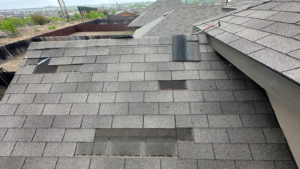
Hail, wind, and flying debris may leave behind damage that appears minor from the ground but significantly shortens roof life.
A storm damage roof inspection helps identify:
- Lifted shingles
- Creased shingles
- Hail impact marks
- Missing seal strips
- Hidden punctures
- Damaged flashing
Scheduling a professional inspection after major storms allows homeowners to address damage early before moisture enters the home.
Why Professional Inspections Matter
Many homeowners attempt to inspect their own roofs using binoculars or by climbing a ladder.
Unfortunately, many serious roofing issues remain hidden without proper training.
A professional inspector understands how each roofing component works together and follows a comprehensive full roof inspection checklist that evaluates structural integrity, drainage, ventilation, flashing, underlayment, roof penetrations, gutters, attic conditions, and signs of storm damage.
This thorough approach provides homeowners with a complete understanding of their roof’s current condition instead of focusing only on the visible surface.
Protect Your Home Before Problems Grow
Your roof is one of the largest investments protecting your home. Waiting until leaks appear often means hidden damage has already spread beneath the surface.
Whether your roof is several years old or recently experienced severe Texas weather, scheduling a professional inspection today can help prevent expensive repairs tomorrow.
A detailed full roof inspection checklist provides confidence that every critical component of your roofing system has been carefully evaluated, allowing you to make informed decisions about maintenance, repairs, or future replacement when the time is right.
As legendary architect Frank Lloyd Wright wisely said, “The longer I live, the more beautiful life becomes.” Protecting the home where life’s memories are made begins with caring for the roof that shelters everything beneath it.