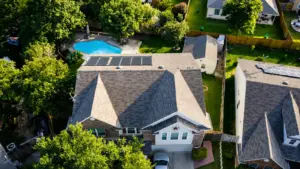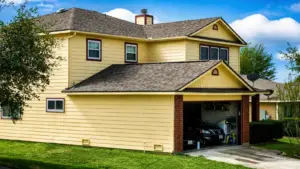

Have you ever looked at the highest points of your roof and wondered why those narrow lines matter so much? What happens if the shingles along a ridge loosen, or if a hip takes repeated wind and hail impacts year after year? For homeowners, roof hips and ridges San Antonio properties depend on are far more than finishing details. They are some of the most exposed parts of the roofing system, and when something goes wrong there, water and wind can quickly find their way into areas you cannot see from the ground.
What Are Roof Hips and Ridges?
A roof ridge is the horizontal line at the highest point where two roof slopes meet.
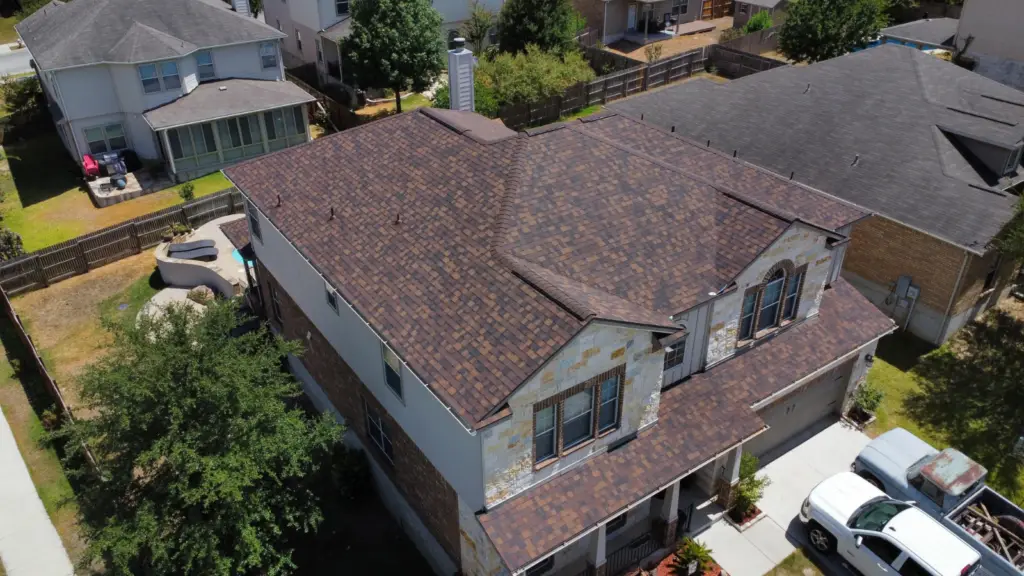
A roof hip is the sloped edge where two roof sections meet and angle downward toward the eaves.
Both areas are typically covered with specially shaped shingles or caps designed to protect the seams underneath.
Because these sections sit above or between major roof planes, roof hips and ridges San Antonio homeowners have are directly exposed to high winds, intense sunlight, and storm impact.
They may look like small parts of the roof, but they play a major role in keeping water outside.
Why These Areas Take More Weather Exposure
Think about how wind moves across your roof during a storm.
As air travels upward along the roof slope, it can create pressure around edges, peaks, and transitions. Hips and ridges often experience more direct wind exposure than broad, flat shingle surfaces.
That makes roof hips and ridges San Antonio homes rely on especially important after severe weather.
A loose ridge cap or damaged hip shingle can create an entry point for wind-driven rain. Once moisture gets underneath, it may reach underlayment, decking, insulation, or attic spaces.
The damage may begin small and remain hidden until the next storm makes it worse.
Ridge Caps Help Seal the Highest Point of the Roof
The top of your roof is one of the last places you want water getting inside.
Ridge caps are installed over the seam where opposing roof slopes meet. Their job is to cover that vulnerable joint while allowing the roof to maintain a clean, finished appearance.
If those caps crack, lift, loosen, or lose protective granules, the seam beneath them may become more vulnerable.
A professional inspection of roof hips and ridges San Antonio properties have should include checking whether ridge caps remain properly fastened and sealed.
Even one damaged section can become a weak point during heavy rain.
Hip Caps Protect Sloped Roof Intersections
Hip roofs are common on many residential homes because their shape can provide strong architectural appeal and good drainage.
But every hip creates a long exposed seam.
Hip cap shingles protect that seam much like ridge caps protect the highest roof line.
Because hips run diagonally downward, they are exposed to water flow and wind from multiple angles.
This makes roof hips and ridges San Antonio homeowners should monitor an important part of routine maintenance.
Damaged hip caps may not be obvious from the driveway, especially on taller or more complex homes.
Ridge Ventilation Can Affect the Whole Roofing System
Not every ridge is completely sealed.
Many homes use ridge vents along the roof peak to help hot air escape from the attic.
This ventilation is especially important in San Antonio, where summer heat can build rapidly beneath the roof.
Properly installed ridge ventilation works with intake vents near the lower roof to create airflow through the attic.
When evaluating roof hips and ridges San Antonio contractors should also check whether ridge vents are blocked, damaged, or improperly installed.
Good ventilation can help reduce heat and moisture buildup while supporting long-term roofing performance.
Hail Can Damage Ridge and Hip Caps
Hail does not always strike the roof evenly.
Because hips and ridges sit higher and more exposed, they can receive direct impact during storms.
Hail may knock away protective granules, bruise asphalt materials, crack caps, or weaken fasteners.
The damage can be subtle.
That is why roof hips and ridges San Antonio homeowners cannot easily inspect from the ground should receive professional attention after significant hail.
Your roof may look normal from the driveway while the highest seams have already taken damage.
Wind Can Lift Cap Shingles Before You Notice
Strong wind can get beneath slightly loose shingles and gradually weaken their seals.
This is especially concerning around ridge and hip caps.
A cap may lift during a storm and settle back afterward, appearing normal from below. However, the seal may already be compromised.
During the next wind event, that same area becomes more vulnerable.
A professional inspection of roof hips and ridges San Antonio homes feature can help identify creased, lifted, or loosened materials before they disappear completely.
Catching the issue early may prevent a much larger repair later.
Heat and UV Exposure Accelerate Aging
San Antonio sunlight can be relentless.
The uppermost areas of the roof receive prolonged UV exposure, and shingles there can experience significant temperature swings.
Over time, roofing materials may become more brittle, lose granules, or develop surface cracking.
That means roof hips and ridges San Antonio homeowners depend on may show age before other sections of the roof.
Regular inspections can help determine whether normal wear is becoming a maintenance concern.
If ridge or hip caps are deteriorating faster than surrounding shingles, they may need attention before leaks develop.
Improper Installation Can Create Early Problems
Even quality roofing materials can fail prematurely when installed incorrectly.
Hip and ridge shingles need proper overlap, fastening, alignment, and sealing.
Incorrect nail placement or poor ventilation details can create weak points that are not obvious immediately.
That is why roof hips and ridges San Antonio roofing crews install require careful workmanship.
The details may seem small, but a roofing system is only as strong as its vulnerable seams.
Professional installation helps ensure the materials work together instead of becoming isolated problem areas.
Look for Warning Signs Around Your Property
You may not be able to safely inspect the top of your roof yourself, but you can watch for clues.
After a storm, look for:
- Shingle pieces in the yard
- Granules near downspouts
- Ridge cap pieces on the ground
- Water stains in the attic
- Loose materials visible from below
- New ceiling discoloration
- Repeated roof leaks
If any of these appear, roof hips and ridges San Antonio homeowners have should be inspected along with the rest of the roof.
Avoid climbing onto the roof yourself, especially after severe weather.
Small Problems at the Peak Can Travel Downward
Water rarely stays where it first enters.
A leak near the ridge can travel along decking, rafters, insulation, or framing before becoming visible inside your home.
That means the ceiling stain you see may be far from the actual problem.
A professional roof inspection can trace these signs back to the source.
This is why roof hips and ridges San Antonio homeowners overlook can become more expensive when damage is allowed to continue.
Early detection often means a more focused repair and less risk to the materials below.
Your Roof’s Highest Points Deserve More Attention
Homeowners naturally focus on the large surfaces they can see, but some of the most important roofing details are the narrow seams at the very top.
Roof hips and ridges San Antonio homes rely on to help seal vulnerable intersections, support ventilation, and protect areas exposed to some of the harshest weather conditions on the roof.
If your home has recently experienced hail, strong winds, heavy rain, or years of intense sun exposure, those upper sections may deserve a closer look.
What if the part of your roof taking the most wind, heat, and hail is also the part you have never had professionally checked? Schedule a roof inspection with SoTex Roofing and Exteriors and find out whether your hips and ridges are still protecting your home or quietly becoming the next place a leak could begin.