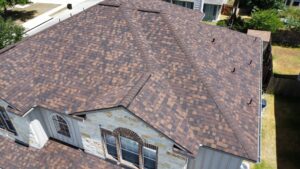
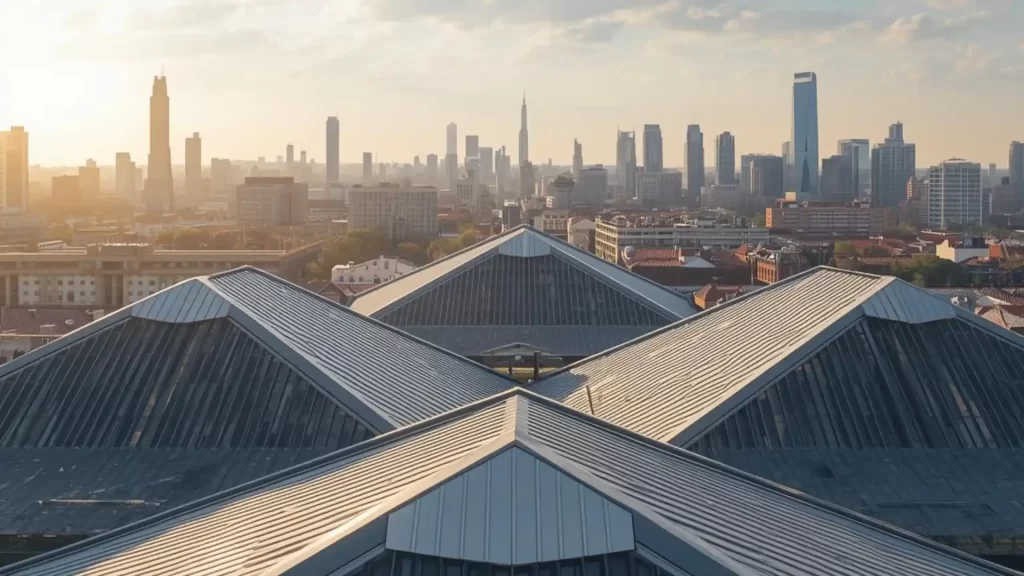
Your roof is one of the first things people notice about your home. The right design can boost curb appeal, increase property value, and create a cohesive exterior look. That’s why architectural roof matching is so important.
When your roof complements your home’s style, everything feels intentional and well-designed. But when it doesn’t match, even a beautiful house can look awkward or outdated. In this guide, you’ll learn how to match your roof style, material, and color to your home’s architecture step-by-step.
What Is Architectural Roof Matching?
Architectural roof matching means aligning your roof’s style, pitch, material, and color with your Home’s architectural design. Every home style has certain visual expectations. For example, a Mediterranean home often looks best with clay tiles, while a farmhouse may suit metal roofing or architectural shingles.
A mismatched roof can hurt resale value and visual appeal because buyers notice when Design elements don’t work together. Proper architectural roof matching ensures your home looks balanced and professionally designed.
Identify Your Home’s Architectural Style
Before choosing a roof, you need to understand your home’s architectural category. Common styles include Colonial, Craftsman, Modern or Contemporary, Tudor, Mediterranean, Ranch, and Farmhouse. Each of these styles has different roof expectations that influence the best shape, pitch, and material choices.
For example, Colonial homes typically use symmetrical gable roofs with asphalt shingles, while Craftsman homes often feature low-pitched roofs with wide overhangs and dimensional shingles. Modern homes, on the other hand, may use flat or low-slope roofs with metal or membrane materials for a sleek appearance. Understanding your home’s architecture helps you avoid design conflicts and ensures proper architectural roof.
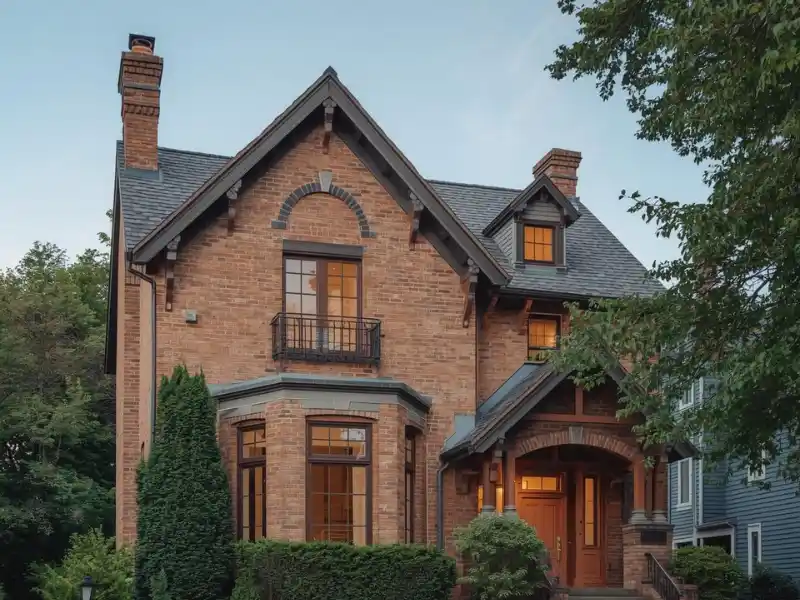
Match Your Roof Shape and Pitch
Roof shape plays a major role in creating visual harmony with your home’s design. Common roof shapes include gable, hip, mansard, gambrel, and flat roofs, and each one contributes differently to the overall appearance. Gable and hip roofs are especially versatile, working well across many architectural styles from traditional to contemporary homes.
However, some roof designs are more specific to certain styles; for example, butterfly roofs are strongly associated with mid-century modern architecture. Roof pitch is also an important factor to consider. Steeper pitches often complement historic or traditional homes, while low-slope roofs are more common in modern or contemporary designs.
Choose the Right Roofing Material
Material selection should always complement your home’s overall design and architectural character. Popular roofing options include asphalt shingles, metal roofing, clay tiles, cedar shake, and slate, and each material creates a different visual impact. For example, Mediterranean or Spanish-style homes pair beautifully with clay tile.
In contrast, farmhouses and many modern homes often look great with metal roofing due to its clean lines and durability. Historic homes may benefit from slate or cedar shake to maintain authenticity and timeless appeal. Choosing the right material is essential for successful architectural roof matching and ensures both long-term performance and visual harmony.
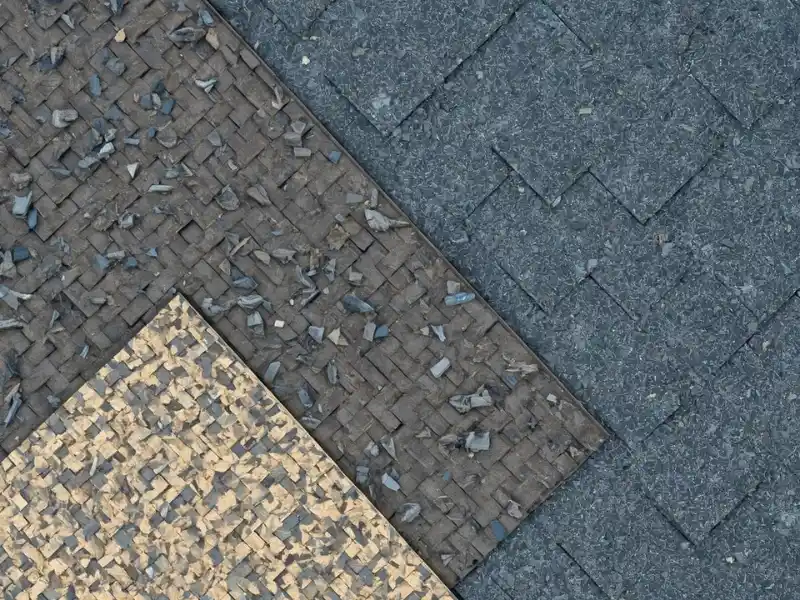
Nail the Color Combination
Material selection should always complement your home’s overall design and architectural character. Popular roofing options include asphalt shingles, metal roofing, clay tiles, cedar shake, and slate, and each material creates a different visual impact.
For example, Mediterranean or Spanish-style homes pair beautifully with clay tile. In contrast, farmhouses and many modern homes often look great with metal roofing due to its clean lines and durability.
Historic homes may benefit from slate or cedar shake to maintain authenticity and timeless appeal. Choosing the right material is essential for successful roof matching and ensures both long-term performance and visual harmony.
Common Architectural Roof Matching Mistakes to Avoid
Homeowners often make several common mistakes when selecting a new roof, which can negatively impact both appearance and value. These include choosing trendy colors that clash with the home’s architectural style, ignoring roof pitch compatibility, mixing materials that don’t match the architectural character, selecting colors without considering siding and trim, and prioritizing price over overall design harmony.
Avoiding these issues is essential to maintain strong curb appeal, protect resale value, and ensure the roof complements the home’s overall look.
When to Call a Professional
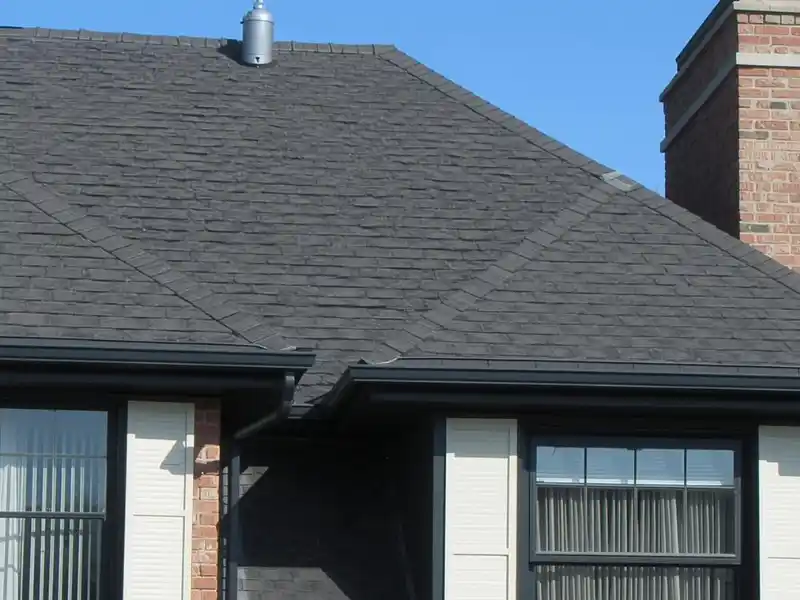
If you’re unsure about roof style, color, or material, it’s best to consult a professional roofing contractor or exterior designer. Experts understand architectural principles and can recommend options that enhance both beauty and durability. Professional guidance is especially important if you’re replacing an older roof or planning a major exterior renovation.
Final Thoughts
Your roof is more than protection; it’s a major design feature that defines your home’s appearance. With proper roof matching, you can create a cohesive look that improves curb appeal, boosts property value, and reflects your home’s true character.
If you’re planning a roof replacement or upgrade, consider working with experienced professionals who understand how to match roofing systems to architectural styles. Contact us today to schedule a consultation and get expert guidance on choosing the perfect roof for your home.
Join Our Community
Join our community on Facebook, and don’t forget to subscribe to us on YouTube for new content each week
FAQs
1. What is architectural roof matching?
Architectural roof matching means choosing a roof style, material, and color that complements your home’s architectural design for better curb appeal and value.
2. Why is matching a roof to home style important?
A well-matched roof improves curb appeal, protects resale value, and creates a cohesive appearance that makes your home look professionally designed.
3. Which roofing material works best for most homes?
Asphalt shingles are versatile and affordable, but the best material depends on your home style, climate, and durability needs.
4. Does roof color affect home value?
Yes. A roof color that complements siding and trim improves curb appeal, which can positively influence buyer perception and resale value.
5. When should I hire a roofing professional?
You should hire a professional when replacing your roof, changing materials, or if you’re unsure about design compatibility with your home’s architecture.