
When it’s time to replace your roof in San Antonio, one of the most important decisions you’ll face is deciding between Architectural Shingles vs 3-Tab shingles. At SoTex Roofing and Exteriors, we help homeowners navigate this choice every day, understanding that your roof is a significant investment in both protection and curb appeal. While both options have merits, Architectural Shingles vs 3-Tab have become increasingly popular among Texas homeowners for several compelling reasons.
Understanding the Basics
Before deciding which option is right for your home, it’s important to understand what sets these shingles apart. Traditional 3-tab shingles are flat, single-layer asphalt shingles that have been an industry standard for decades. They’re called “3-tab” because each shingle has three individual tabs, creating a uniform, repetitive pattern across the roof.
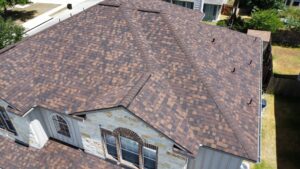
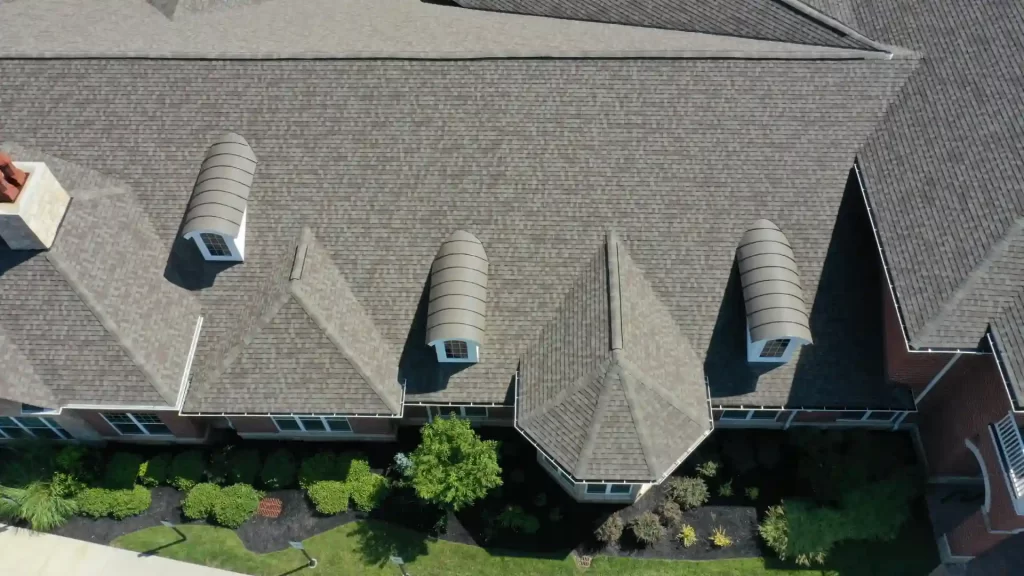
Architectural shingles, also known as dimensional or laminated shingles, are a premium option. Multiple layers of asphalt are bonded together to create a thicker, more substantial product with a distinctive dimensional appearance that mimics natural wood shake or slate roofing.
The Aesthetic Advantage
One of the most noticeable differences in the Architectural Shingles vs 3-Tab debate is visual appeal. Architectural shingles offer a rich, textured look that adds depth and character to your home’s exterior. The multi-dimensional design creates shadow lines and visual interest that flat 3-tab shingles cannot achieve.
San Antonio homeowners looking to enhance curb appeal and property value often favor architectural shingles. They come in a wide range of colors, patterns, and styles, giving homeowners more design flexibility to match their home’s architecture and personal taste.
Durability and Longevity
Durability is another key factor in choosing between Architectural Shingles vs 3-Tab. Architectural shingles are more resilient due to their multi-layer construction, making them better suited for the harsh Texas climate.
While 3-tab shingles typically last 15 to 20 years, architectural shingles can last 25 to 30 years—or even longer with proper maintenance. Their extra thickness also provides superior wind resistance, with many architectural shingles rated for winds up to 110–130 mph compared to the 60–70 mph typical of 3-tab shingles.

Weather Performance in San Antonio
San Antonio’s climate presents unique challenges. From intense summer heat to hailstorms and occasional severe weather, roofing materials must withstand extreme conditions. Architectural shingles are better equipped to handle these challenges. Their dimensional design sheds water more efficiently during heavy rains, and many feature algae-resistant granules to prevent unsightly black streaks in humid conditions. The heavier weight and superior construction help resist thermal expansion and contraction caused by dramatic temperature swings.
Investment and Value
While architectural shingles cost more upfront—typically 20–40% more than 3-tab shingles—they provide long-term value. Their extended lifespan reduces the frequency of roof replacements, and real estate professionals report that homes with architectural shingle roofs often sell faster and at higher prices. For San Antonio homeowners, the enhanced curb appeal and perceived quality make architectural shingles a smart investment.
Warranty Considerations
Another advantage of architectural shingles is their warranty coverage. Most manufacturers offer 50-year limited warranties for architectural shingles, while 3-tab shingles usually max out at 25–30 years. These warranties provide better protection against defects and performance issues, giving homeowners peace of mind about their investment.
Making the Right Choice for Your Home
For most San Antonio homeowners, Architectural Shingles vs 3-Tab favors architectural shingles due to their superior aesthetics, durability, and long-term value. That said, each home and situation is unique. If you’re on a tight budget or plan to sell soon, 3-tab shingles may still be viable. However, carefully weighing the long-term benefits often makes architectural shingles the smarter choice.
Trust the Experts
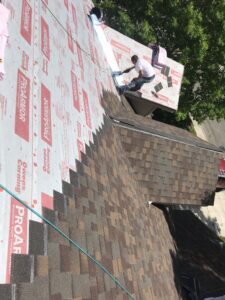
Choosing the right roofing material is only half the equation; proper installation is equally important. At SoTex Roofing and Exteriors, our experienced team has installed countless roofs throughout San Antonio. We provide thorough inspections, discuss your goals, and make honest recommendations based on decades of combined experience in the Texas roofing industry.
Whether you choose architectural shingles or 3-tab shingles, you can trust us to deliver exceptional craftsmanship and service. Contact us today for a free consultation and estimate.
Final Thoughts
When weighing Architectural Shingles vs 3-Tab, consider aesthetics, durability, weather resistance, warranty, and long-term value. Architectural shingles provide a premium look, superior performance, and extended lifespan, making them an excellent investment for most San Antonio homeowners. Choosing the right shingles, combined with professional installation, ensures your home remains protected and visually appealing for decades.
FAQs
1. What is the main difference between architectural shingles and 3-tab shingles?
Architectural shingles are thicker, multi-layered, and offer a textured, dimensional look, while 3-tab shingles are flat, single-layer, and create a uniform pattern.
2. Which lasts longer in San Antonio’s climate?
Architectural shingles typically last 25–30 years or more, while 3-tab shingles usually last 15–20 years under Texas weather conditions.
3. Do architectural shingles cost significantly more than 3-tab?
Yes, they cost 20–40% more upfront, but their durability, curb appeal, and long-term value often make them a worthwhile investment.
4. Are architectural shingles more wind-resistant?
Yes. Most architectural shingles have wind ratings of 110–130 mph, compared to 60–70 mph for standard 3-tab shingles.
5. How does the warranty compare between the two types?
Architectural shingles usually have 50-year limited warranties, while 3-tab shingles max out at 25–30 years, offering less coverage for defects.