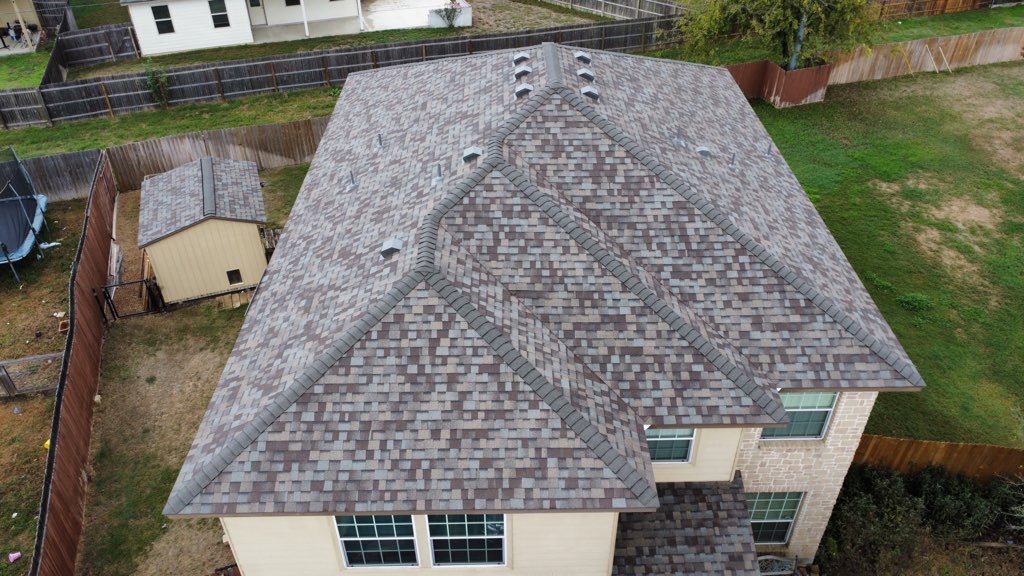
As a business owner, you know that maintaining the integrity of your property is essential to its longevity and success. One of the most significant aspects of building upkeep is ensuring that your roof is in top condition. A commercial roof failure can have severe financial and operational consequences, from expensive repairs to the disruption of your business operations. In this article, we will explore the key aspects of commercial roof replacement, including how to identify when it’s needed, the types of roofing materials available, and the process involved in replacing your roof.
Understanding Commercial Roof Replacement: What It Entails
When it comes to roof replacement, it’s essential to distinguish between different types of roofing solutions: repair, restoration, and full replacement. Each approach has its own set of considerations and benefits.
-
Roof Repair: Fixing small issues like leaks or damaged sections.
-
Roof Restoration: A process of rejuvenating a roof by applying coatings or seals, ideal for less severe damage.
-
Full Replacement: Replacing the entire roof when it is beyond repair or restoration, typically due to age, extensive damage, or inefficiency.
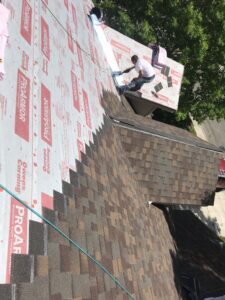
A commercial roof replacement project generally involves removing the old roof, assessing the underlying structure, and installing a new roof system. The need for full replacement becomes apparent when repairs no longer suffice, and the roof’s ability to protect the building is compromised.
Warning Signs That Indicate Commercial Roof Replacement Is Needed
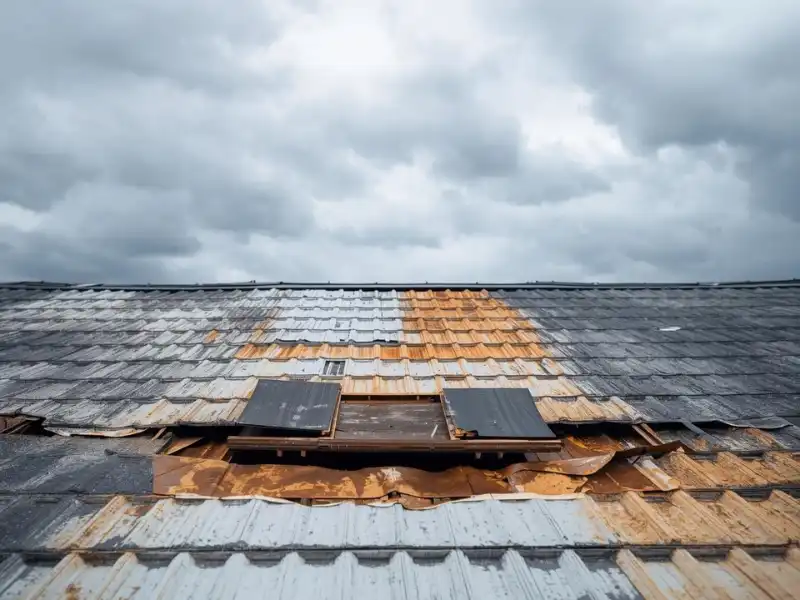
Knowing when to replace your roof can save you significant money and trouble down the road. Here are some common warning signs that a commercial roof replacement may be necessary:
-
Persistent Leaks and Water Damage: If leaks have become a recurring issue, it may indicate that your roof is no longer able to keep water out effectively. This leads to water damage inside the building, which can be costly to repair.
-
Roof Age: The lifespan of your roof depends on the material used. For example, TPO and EPDM roofs can last around 20 years, while metal roofs may last up to 50 years. If your roof is nearing or surpassing its expected lifespan, it’s time to consider replacement.
-
Visible Damage: Signs such as blistering, cracking, or sagging are clear indicators that the roof structure is deteriorating, and repairs alone may not be enough to extend its lifespan.
-
Rising Energy Costs: An inefficient roof can significantly impact your building’s insulation, causing energy costs to rise. If you notice an increase in heating and cooling costs, your roof may not be performing as it should.
-
Frequent Repair Needs: If you find yourself repeatedly fixing your roof, it may be more cost-effective in the long run to invest in a commercial roof replacement.
Types of Commercial Roofing Materials for Replacement
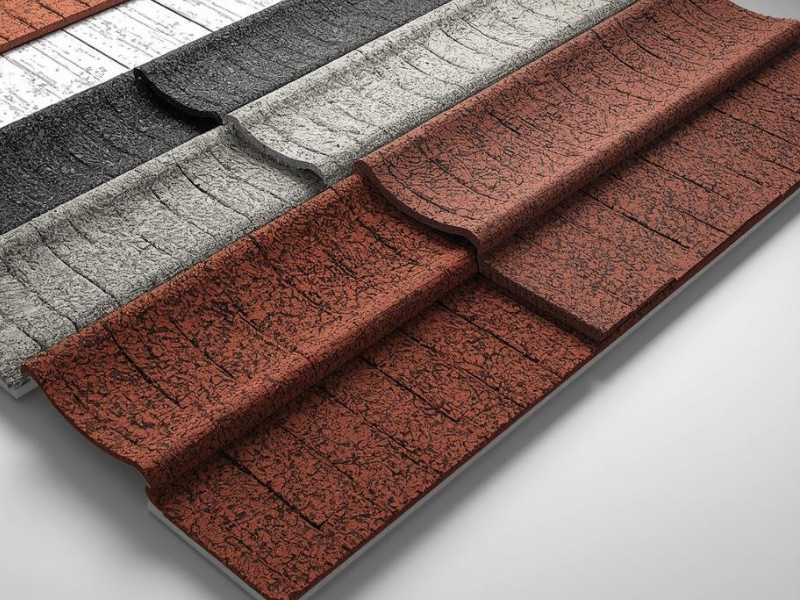
When replacing a commercial roof, you’ll need to select the best material for your building’s needs. Here are some of the most common options:
-
TPO (Thermoplastic Polyolefin): Known for energy efficiency and heat resistance, TPO roofing is a popular choice for flat roofs. It’s also cost-effective and environmentally friendly.
-
EPDM (Rubber Roofing): This material is durable and offers excellent waterproofing properties. EPDM is ideal for commercial buildings with flat or low-sloped roofs.
-
PVC Roofing: PVC roofing systems are resistant to chemicals and fire, making them perfect for buildings that face high-risk environments. They also reflect heat well, reducing energy costs.
-
Modified Bitumen: A strong, durable option for flat roofs, modified bitumen is easy to install and maintain, offering long-lasting protection.
-
Metal Roofing Systems: Metal roofing provides superior durability and longevity, ideal for buildings that experience extreme weather conditions.
-
Built-up Roofing (BUR): A traditional option, BUR offers excellent waterproofing and durability. It’s composed of multiple layers of roofing material and is commonly used in commercial buildings with flat roofs.
Each roofing material has its pros and cons, so it’s essential to choose one that fits the specific needs of your commercial property.
The Commercial Roof Replacement Process: Step-by-Step
The process of replacing a commercial roof involves several critical steps to ensure proper installation and minimize disruption to your business:
-
Initial Inspection and Assessment: A professional roofer will inspect the existing roof, assess the underlying structure, and determine whether a complete replacement is necessary.
-
Material Selection: Based on your building’s requirements and budget, you’ll choose the most suitable roofing material.
-
Tear-off vs. Overlay: In some cases, the existing roof may be left in place, and a new layer of roofing material is installed on top (overlay). However, a tear-off is often necessary to ensure proper adhesion and longevity.
-
Installation Timeline and Phases: The installation process can take anywhere from a few days to several weeks, depending on the size of your building and the roofing material chosen. Your contractor will outline the installation timeline and phases to minimize disruptions.
-
Minimizing Business Disruption: A reputable roofing contractor will use techniques to minimize disruptions during installation, such as working during off-hours or taking extra precautions to protect your property.
Commercial Roof Replacement Cost Factors
The cost of commercial roof replacement can vary based on several factors:
-
Size and Square Footage: The larger the building, the more material and labor required, leading to higher costs.
-
Material Costs: The type of roofing material chosen will have a significant impact on the overall price. Premium materials like metal or PVC roofing tend to be more expensive than options like TPO or EPDM.
-
Labor and Installation Expenses: Labor costs depend on the complexity of the job and the region where you’re located.
-
Roof Accessibility: Roofs that are difficult to access, due to height or location, may increase the cost of the project.
-
Removal and Disposal Costs: If your old roof needs to be removed and disposed of, this will add to the overall cost.
-
Building Code Compliance: If your building must meet specific local building codes or regulations, this may increase the cost of the replacement.
Choosing the Right Contractor for Roof Replacement
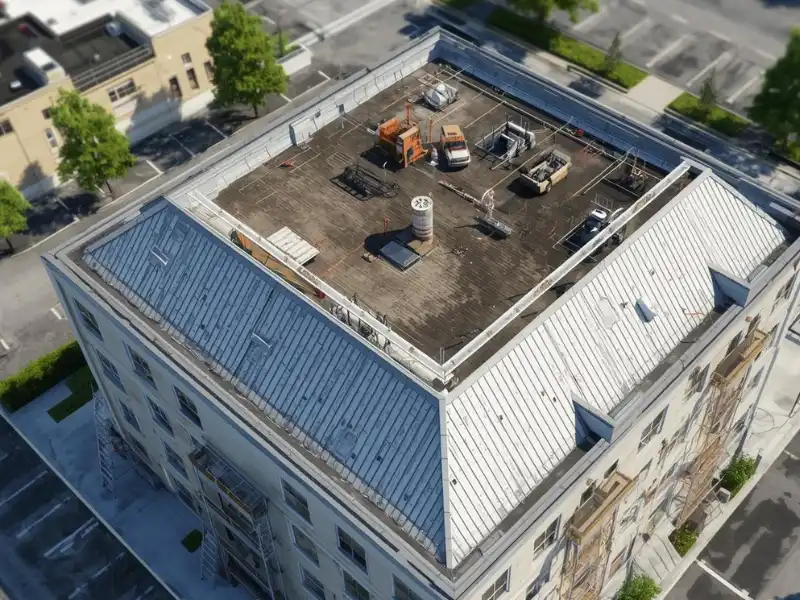
Selecting the right contractor is crucial for the success of your replacement project. Here are some tips to help you choose:
-
Key Qualifications: Look for contractors who specialize in commercial roofing and have a proven track record of successful installations.
-
Questions to Ask: Ask about their experience with your chosen roofing material, the installation process, and any warranties they offer.
-
Understanding Warranties and Guarantees: Make sure you fully understand the warranty terms, including what’s covered and for how long.
-
References and Credentials: Always check references and ensure the contractor is licensed, insured, and accredited by industry organizations.
Final Thoughts: Action Steps for Property Owners Considering Commercial Roof Replacement
If you’re considering commercial roof replacement, it’s essential to take action before small problems turn into costly repairs. Start by scheduling an inspection with a professional roofing contractor, and evaluate your options based on your building’s needs and budget. By choosing the right materials and contractor, you can ensure that your new roof provides long-lasting protection for your business. For expert advice and a free consultation, contact us today. Our team of professionals is ready to help you choose the best roofing solution for your property and ensure the highest quality installation.
Join Our Community
Join our community on Facebook, and don’t forget to subscribe to us on YouTube for new content each week.
FAQs
1. When should I replace my commercial roof?
Replace when leaks persist, there’s visible damage, or your roof is over 20 years old.
2. What roofing materials are best for commercial buildings?
TPO, EPDM, PVC, and metal are commonly used for their durability and energy efficiency.
3. How long does a commercial roof replacement take?
It typically takes a few days to a few weeks, depending on building size and complexity.
4. What factors affect the cost of commercial roof replacement?
Roof size, material choice, labor costs, and accessibility impact the overall cost.
5. How do I choose a good contractor for roof replacement?
Look for experience, proper licensing, references, and a solid warranty offer.