When it comes to maintaining your commercial property in San Antonio, understanding commercial roof safety isn’t just about protecting your investment—it’s about protecting lives. At SoTex Roofing and Exteriors, we’ve spent years helping Texas business owners navigate roofing standards, and we know that prioritizing safety is essential for every property owner. Whether you manage an office building, retail space, or industrial facility, proper protocols impact your liability, insurance costs, and the well-being of everyone on your property.
Understanding OSHA’s Role
The Occupational Safety and Health Administration (OSHA) sets the standards that all roofing contractors must follow when working on commercial properties. Roofing is one of the most dangerous professions in construction, with falls from heights causing the majority of injuries and fatalities. OSHA regulations cover fall protection, proper equipment use, and other safety measures that apply to nearly every roofing project. While contractors are responsible for following these rules, smart property owners know that choosing a company committed to commercial roof safety protects both people and property.
Essential Fall Protection Measures
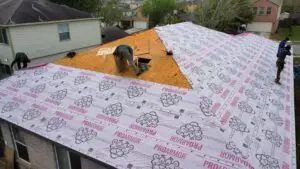
Fall protection is a cornerstone of safe roofing practices. OSHA requires any worker operating at heights of six feet or more to use proper safeguards, including guardrails, safety nets, or personal fall arrest systems. At SoTex Roofing and Exteriors, we employ advanced fall protection equipment on every project. When evaluating roofing contractors in San Antonio, ask about their safety protocols. A company dedicated to safety will gladly explain the systems they use to protect workers and property.
Training and Certification Standards
OSHA mandates ongoing training for all roofing workers, covering hazard recognition, equipment use, emergency procedures, and best practices. Our team participates in regular safety programs to stay current with evolving industry standards. Contractors who invest in ongoing education demonstrate professionalism and a commitment to commercial roof safety, which leads to better workmanship and incident-free projects.
Equipment and Weather Safety
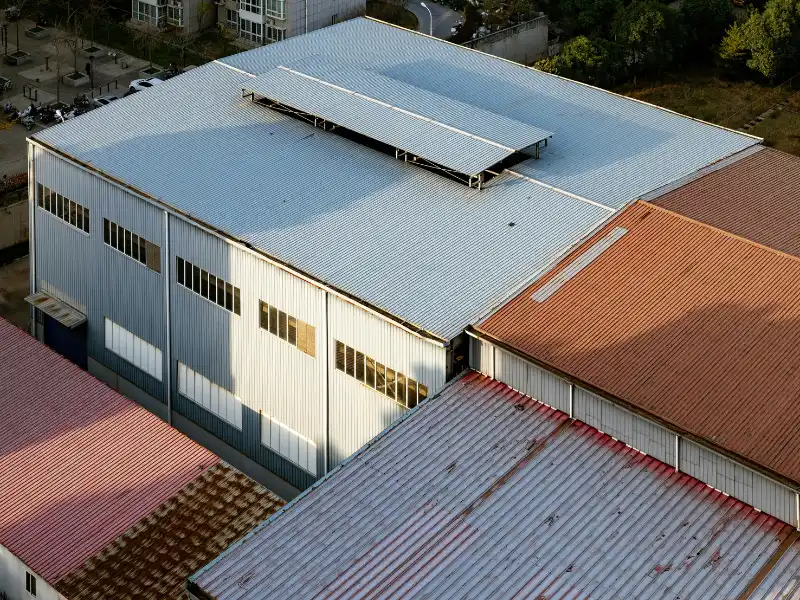
Roof safety extends beyond fall protection. OSHA requires regular inspection and maintenance of ladders, scaffolding, hoisting equipment, and personal protective gear. We maintain detailed logs to ensure every tool performs reliably. Weather is another critical factor; high winds, lightning, ice, or extreme heat can make roofing unsafe. Responsible contractors pause work when conditions threaten safety, showing that prioritizing commercial roof safety always comes first.
Chemical Handling and Material Safety
Modern roofing involves adhesives, coatings, and other materials that require careful handling. Proper storage, PPE, ventilation, and adherence to safety data sheets are essential. At SoTex Roofing and Exteriors, every crew member follows manufacturer guidelines and OSHA protocols, ensuring safety extends to chemicals and materials, protecting both workers and building occupants.
Why Property Owners Should Prioritize Safety
While it may seem like roofing safety is solely the contractor’s responsibility, property owners have significant stakes. Liability, insurance compliance, and moral responsibility all depend on safe work practices. Choosing a contractor who emphasizes commercial roof safety, like SoTex Roofing and Exteriors, ensures your project is completed without compromising the well-being of anyone on site.
At SoTex Roofing and Exteriors, we believe exceptional roofing and uncompromising safety go hand in hand. Our dedication has made us one of San Antonio’s most trusted roofing contractors, and we bring that expertise to every project we undertake.
Final Thoughts
Commercial roofing is more than a structural necessity; it’s a safety-critical area that demands attention, expertise, and compliance. From fall protection to training, equipment inspections, weather protocols, and chemical handling, every element contributes to a secure and reliable roofing environment.
FAQs
1. What is commercial roof safety?
Commercial roof safety ensures all roofing work is done with proper training, equipment, and fall protection to prevent accidents and protect workers and property.
2. Why is OSHA compliance important for commercial roofs?
OSHA standards protect workers from falls, equipment hazards, and chemical risks. Compliance reduces liability and ensures safe, high-quality roofing work.
3. What fall protection measures are required?
Guardrails, safety nets, and personal fall arrest systems are essential for any work six feet or higher, keeping workers safe on commercial roofs.
4. How does the weather affect commercial roof safety?
Extreme heat, storms, ice, and high winds can make roofing unsafe. Work should pause during hazardous conditions to protect workers and property.
5. How can property owners ensure commercial roof safety?
Hire contractors committed to OSHA standards, trained crews, and regular equipment inspections to maintain a safe, compliant roofing project.