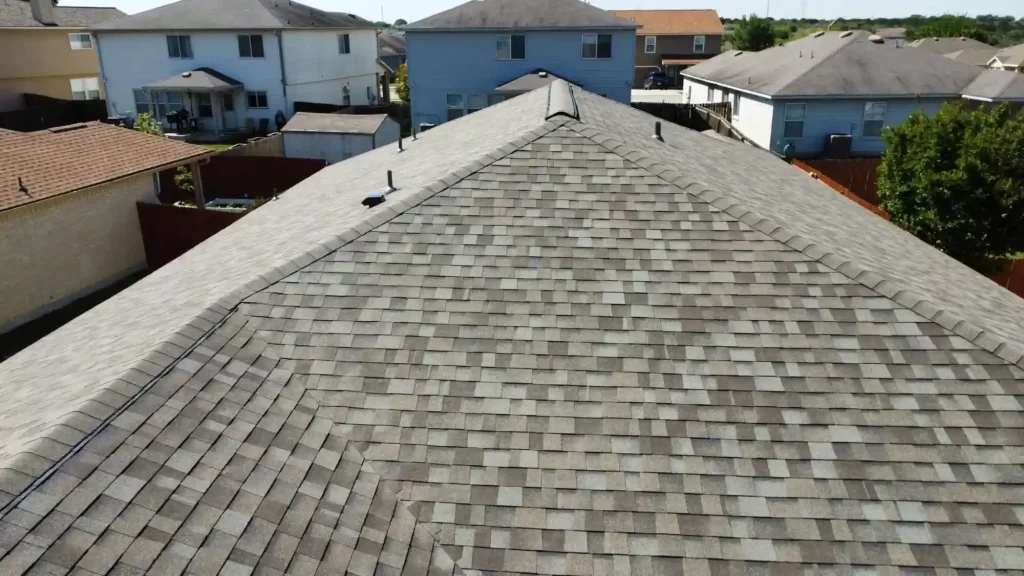
San Antonio’s hot climate makes roofing a critical part of home comfort and energy savings. With temperatures frequently soaring into the high 90s—and even higher during summer—homeowners are increasingly searching for ways to reduce cooling costs. One of the most effective upgrades is installing an energy efficient roof system San Antonio TX homeowners can rely on for long-term performance.
From cool roofing materials to proper ventilation and insulation, the right roof can dramatically lower heat absorption and improve indoor comfort. This guide explains why energy-efficient roofing is so important, the best materials to consider, and how to choose the right system for your home.
Why Energy-Efficient Roofing Matters in San Antonio
San Antonio is located in a warm climate zone where the sun is intense and air conditioning costs make up a large portion of monthly energy bills. Traditional asphalt shingles absorb heat, causing your roof’s surface temperature to spike—sometimes reaching over 150°F.
Energy-efficient roofing, however, works by reflecting more sunlight and releasing absorbed heat faster, keeping your home cooler. This leads to benefits such as:
-
Lower energy bills
-
Reduced strain on your HVAC system
-
Improved indoor comfort
-
Longer roof lifespan
-
Environmentally friendly performance
For many homeowners, upgrading to an energy efficient roof system San Antonio TX can pay for itself through energy savings within a few years.
Top Energy-Efficient Roofing Materials
| Roofing Material | Key Benefits | Best For | Energy Efficiency Features |
|---|---|---|---|
| Cool Roof Shingles | Affordable, looks like traditional shingles, widely available | Residential steep-slope roofs | Reflective granules reduce heat absorption; can reflect up to 40% more sunlight |
| Metal Roofing | Highly durable, long lifespan, environmentally friendly | Residential & commercial roofs | Naturally reflective surface; cools quickly at night; excellent heat deflection |
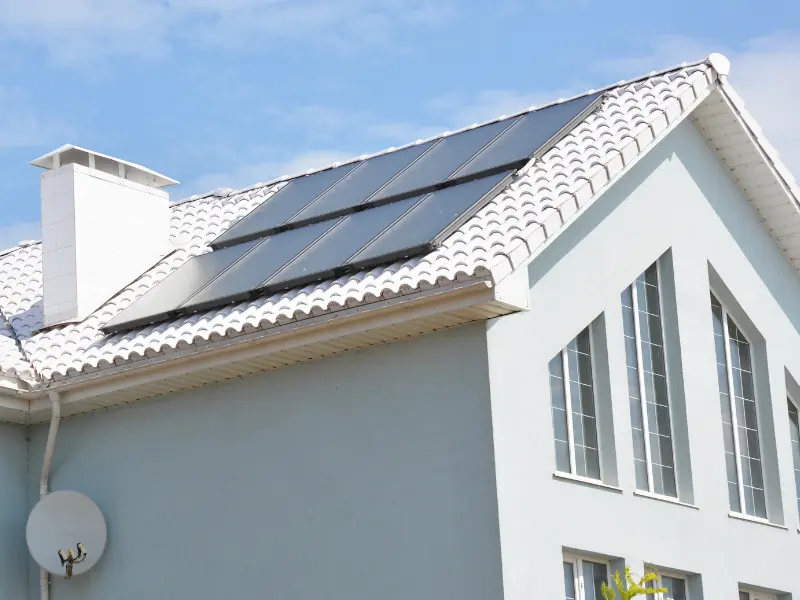
| Tile Roofing (Clay or Concrete) | Superior ventilation, long lifespan, fire-resistant | Homes in hot climates; Mediterranean or Spanish-style homes | Air circulation under tiles reduces heat transfer into the attic |
| TPO & PVC Roofing | Lightweight, reflective, ideal for flat roofs | Commercial buildings, low-slope homes | Bright white membranes reflect sunlight and release heat efficiently |
| Spray Foam Roofing (SPF) | Seamless insulation, leak prevention, high R-value | Flat or slightly sloped roofs | Provides continuous insulation layer; reduces heat transfer significantly |
Final Thoughts
Investing in an energy-efficient roof is one of the smartest upgrades for San Antonio homeowners. With the right materials, insulation, and ventilation, you can significantly lower your cooling costs, enhance home comfort, and increase your roof’s lifespan. Whether you choose cool shingles, metal roofing, or tile, an energy efficient roof system San Antonio TX offers long-term value and dependable performance. Get Your Free Energy-Efficient Roofing Estimate Today!
Frequently Asked Questions (FAQs)
1. What is the most energy-efficient roofing material in San Antonio?
Metal roofing and cool roof shingles are among the top choices due to their high reflectivity and durability.
2. Can an energy-efficient roof really lower cooling costs?
Yes. Many homeowners see energy bill reductions of 10–25% after upgrading to energy-efficient roofing.
3. Are cool roof shingles worth it?
Cool roof shingles are a budget-friendly upgrade offering better heat reflection without changing your roof’s appearance.
4. How long does an energy-efficient roof last?
Durability depends on the material—metal roofs can last 40–70 years, while cool shingles often last 20–30 years.
5. Do I need to replace my whole roof to improve efficiency?
Not always. Roof coatings, added insulation, or improved ventilation can boost efficiency without full replacement.