
Your roof is your home’s first line of defense against the elements, but many San Antonio homeowners don’t realize that serious problems can develop long before exterior signs appear. Interior roof damage often manifests inside the home, silently causing structural weakening, mold growth, and energy inefficiency. Recognizing the warning signs early can save thousands of dollars in repairs and prevent minor issues from turning into major emergencies. At SoTex Roofing and Exteriors, we’ve helped countless homeowners catch interior roof damage before it escalates, protecting both their homes and their families.
Water Stains on Ceilings and Walls
One of the first indicators of roof problems is the appearance of water stains on ceilings or upper walls. These stains typically appear as discolored patches—brown, yellow, or copper-colored—and may expand over time if left unaddressed. Even small spots indicate water is penetrating the roof system and reaching your living space. In San Antonio, where intense summer heat is followed by sudden thunderstorms, even minor leaks can quickly worsen. Water stains often serve as the earliest visual evidence of interior roof damage and should never be ignored, as they signal compromised waterproofing that could deteriorate further.
Sagging or Warped Ceilings
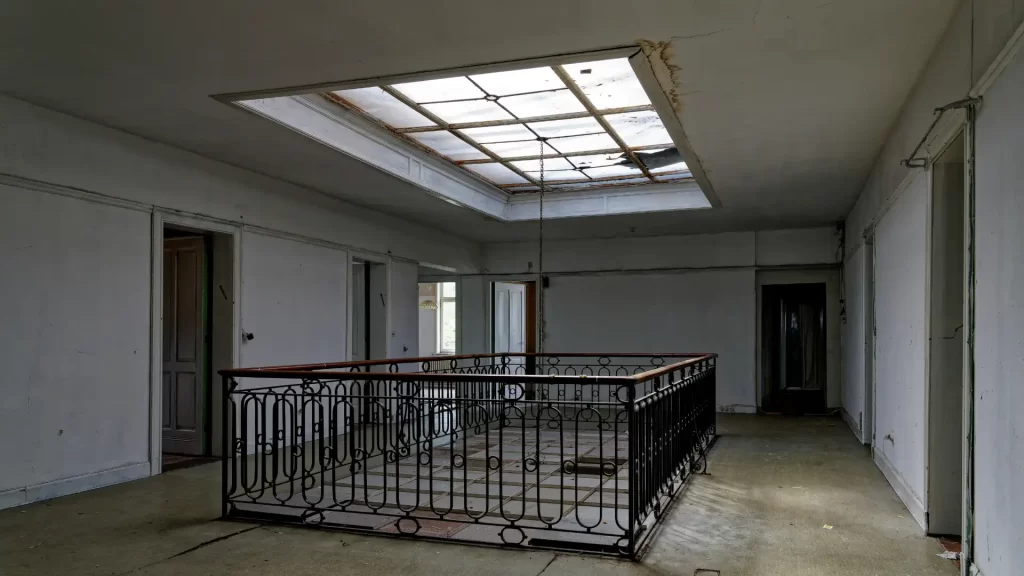
Sagging or bowed ceilings are a more serious sign of hidden issues. This occurs when water saturates materials in the attic or ceiling space, weakening drywall, plaster, or structural supports. A sagging ceiling suggests prolonged moisture exposure and potential compromise to your home’s integrity. Homeowners noticing drooping or uneven areas, especially after heavy rain, should contact a professional immediately. Addressing this problem early can prevent ceiling collapse and more extensive structural damage.
Peeling Paint and Wallpaper
Bubbling, cracking, or peeling paint, as well as wallpaper lifting at seams, are surprisingly effective indicators of moisture infiltration. Water vapor from roof leaks can create humidity between the wall surface and finishes, causing adhesives and coatings to fail. Rooms directly beneath the roof line are most susceptible to this type of damage. San Antonio homeowners should take these signs seriously, as they can indicate hidden leaks or persistent moisture issues that, if ignored, may worsen over time.
Mold and Mildew Growth
Mold and mildew thrive in damp, dark environments, making attics, ceilings, and corners near the roof line prime areas for growth. The presence of mold often signals that water has penetrated your roof system, and prolonged exposure can affect air quality and your family’s health. Black, green, or gray spots, combined with a musty odor, are clear red flags. Prompt attention to mold problems not only addresses the visible issue but also identifies the underlying source of interior roof damage.
Attic Inspection: Daylight, Moisture, and Damaged Insulation
The attic is often the first place where hidden roof issues become noticeable. During inspections, check for streaks of daylight coming through roof boards—any light indicates gaps that could allow water in. Look at insulation for signs of moisture, compression, or water damage, as wet insulation loses its effectiveness and can encourage mold growth. Water stains on rafters or the underside of roof decking are additional indicators. Regular attic inspections are especially important in San Antonio’s climate, where intense heat and heavy rainfall can accelerate roof deterioration.

Increased Energy Bills
While not immediately visible, spikes in heating or cooling costs can be a subtle sign of roof issues. When your roof’s integrity is compromised, conditioned air escapes more easily, forcing your HVAC system to work harder to maintain comfortable indoor temperatures. In San Antonio, air conditioning is critical during the summer months, and inefficiency caused by hidden leaks can lead to higher monthly energy bills. Monitoring utility costs can help homeowners detect problems that may be linked to interior roofing damage before structural issues worsen.
Active Leaks and Pooling Water
The most obvious sign of interior roof damage is water actively dripping or pooling inside your home during or after rain. Buckets under leaks, puddles in the attic, or running to cover furniture are indications that the roof has failed in specific areas. These leaks demand immediate professional attention. Ignoring active water intrusion can lead to severe structural damage, mold growth, and further deterioration that becomes far more costly to repair.
Why Early Detection Matters
Early detection of roof issues is crucial for protecting both your home and your wallet. By addressing problems before they escalate, homeowners can prevent structural damage, health hazards, and unnecessary repair costs. Minor leaks, water stains, and attic moisture may seem manageable at first, but they often indicate larger issues hidden within the roofing system. Professional inspections are the best way to catch these problems before they cause extensive damage.
Taking Action to Protect Your Home
Recognizing signs of interior roofing damage is only the first step. San Antonio homeowners should schedule annual roof inspections and always have a post-storm check performed. At SoTex Roofing and Exteriors, our team specializes in identifying hidden damage early and offering practical, cost-effective solutions. Whether dealing with minor leaks, water stains, or more extensive problems, prompt professional action can prevent small issues from turning into major structural or financial burdens. Protecting your roof now safeguards the value, comfort, and safety of your home for years to come.
Final Thoughts
Interior roof damage can develop silently, often long before visible exterior signs appear. Water stains, sagging ceilings, peeling paint, mold growth, and attic moisture are all warning signals that shouldn’t be ignored. Early detection and professional inspection are key to preventing minor problems from escalating into costly repairs or structural issues. At SoTex Roofing and Exteriors, we recommend routine roof inspections, especially after storms or extreme weather events, to catch problems early and protect your San Antonio home. Taking proactive steps now ensures your roof remains a reliable defense against the elements, safeguarding your family’s safety, comfort, and your home’s long-term value.
FAQs
1. What is interior roofing damage?
Interior roofing damage refers to leaks, moisture, or structural issues inside your home caused by a compromised roof system. It can show as water stains, sagging ceilings, or mold.
2. How can I tell if my roof has interior damage?
Signs include water stains, warped ceilings, peeling paint or wallpaper, mold growth, attic moisture, or unexplained spikes in energy bills.
3. Can interior roof damage be repaired, or does it require full replacement?
It depends on the severity. Minor leaks may be repaired, but widespread structural issues or recurring leaks often require roof replacement for long-term protection.
4. How quickly should I act if I notice interior roofing damage?
Immediately. Even small leaks can escalate quickly, causing mold growth and structural deterioration. Early professional inspections can prevent costly repairs.
5. How often should I schedule roof inspections?
At least once a year, and after any major storms or severe weather events. Regular inspections help detect interior roofing damage before it becomes a major problem.