Receiving two drastically different quotes for your home can spark significant financial anxiety. When comparing roof overlay vs replacement, the decision shouldn’t just be about “cheap vs. expensive,” but rather short-term savings versus a long-term strategy.
Most homeowners feel pressured to pick the lower number, yet the “affordable” route often hides traps involving insurance eligibility, voided warranties, and diminished resale value. This guide dives into the data most contractors skip, helping you determine if a quick layer is a stroke of genius or a ticking financial time bomb.
What Are Roof Overlay and Roof Replacement?
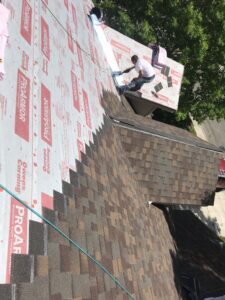
In the roofing industry, terminology can be intentionally confusing. Let’s clear the air: “overlay,” “layover,” “re-roofing,” and “recovery” all refer to the same process: installing new shingles directly over your existing ones. This is only an option if your roof currently has a single layer and the underlying wooden deck is structurally sound.
Conversely, roof replacement, “tear-off,” and “full replacement” mean stripping the entire system down to the bare wood deck. This allows for a total inspection of the decking for rot or water damage before a brand-new system is built from scratch.
While competitors often over-complicate these definitions, the distinction is simple: one is a lid on a jar, the other is a brand-new jar. Understanding the nuances of roof overlay vs replacement starts with knowing exactly what you are paying for and what stays hidden underneath.
The Real Cost Comparison: Don’t Stop at Upfront Price
Most guides fail to do the long-term math. While an overlay looks like a bargain today, the 25-year trajectory tells a different story.
| Feature | Roof Overlay | Full Replacement |
| Average Upfront Cost | $3,000 – $8,000 | $8,000 – $15,000 |
| Average Lifespan | 10 – 15 Years | 20 – 30 Years |
| Disposal Fees | Higher (later) | Standard |
The 25-Year Math:
If you choose two overlays over 25 years, you’ll spend roughly $12,000 in installation, plus an eventual massive tear-off fee. Removing two layers of shingles increases labor and disposal costs by 15–20%. Total investment? $18,000–$22,000+. Compare that to a single full replacement that lasts 25 years for $12,000 total. An overlay saves you money now, but it almost always costs more over time.
The Insurance and Warranty Trap
This is the biggest gap in the roofing conversation, as homeowners often choose an overlay without realizing they are compromising their protection. From an insurance angle, many providers require a full replacement following a major storm to restore the home to its pre-damage condition, meaning they may deny a claim for an overlay or flag a multi-layer roof as “deferred maintenance.”
Similarly, the warranty angle presents a significant risk; premium manufacturer warranties, such as GAF System Plus or Owens Corning Platinum, typically require installation over a clean, bare deck. If an overlay fails, the manufacturer may void the material warranty, leaving you relying solely on your contractor’s personal labor guarantee. Before signing any contract, always ask: “Will this specific installation qualify for the full manufacturer’s warranty?”
When Overlay Makes Sense (Be Honest, Not Biased)
Despite the long-term costs, a roof overlay vs replacement debate sometimes ends in favor of the overlay. It is a genuinely viable call when:
-
The roof has only one existing layer, and the deck is in pristine condition (no sagging or moisture).
-
Your shingles are lying flat; a lumpy base creates an eyesore and a structural hazard.
-
You plan to sell the home within 3–5 years and need a cost-effective aesthetic boost.
-
Local building codes explicitly permit a second layer.
-
Budget is an immediate, non-negotiable constraint.
When Full Replacement Is the Only Real Option
Full replacement is non-negotiable in the following scenarios:
-
The “Two-Layer” Rule: Most building codes prohibit a third layer of shingles.
-
Deck Integrity: If there is visible sagging, soft spots, or rot, you must see the wood.
-
Age: If the roof is 20+ years old, the underlayment (the “skin” beneath the shingles) is likely failing too.
-
Long-term Planning: If you intend to stay in the home for 10+ years, the ROI of a replacement is far superior.
Red Flag Warning: If a contractor recommends an overlay without ever stepping into your attic or onto your roof to check the deck’s condition, they are prioritizing their convenience over your home’s safety.
The Resale Value Angle Buyers Don’t Know
A multi-layer roof is a massive red flag for home inspectors. When savvy buyers discover an overlay, they often use it as a powerful negotiation lever, requesting a significant price reduction or a total replacement before closing. A full replacement can add $10,000+ to a home’s appraised value, whereas an overlay is often viewed as a future liability. If you are selling soon, the “savings” of an overlay may vanish during the home inspection phase.
Questions to Ask Your Roofer Before Deciding
To ensure you are making the right choice between a roof overlay vs replacement, use this checklist:
-
Will you perform a physical inspection of the deck before recommending an overlay?
-
Does my roof already have a second layer I’m unaware of?
-
Will this overlay qualify for a 20-year or 50-year manufacturer warranty?
-
What does the local building code say about multiple layers?
-
If I have a hail claim in three years, how will this overlay affect my coverage?
Final Thoughts
Deciding between a roof overlay vs replacement is about balancing today’s budget with tomorrow’s security. While an overlay offers an immediate financial reprieve, it often complicates insurance, warranties, and future home sales. The “cheaper” option is only smart if your roof deck is healthy and your timeline is short. To get a professional assessment and get a Free Quote, simply click here and schedule your inspection today.
FAQs
1. Is an overlay actually cheaper than a full tear-off?
An overlay saves roughly 25% upfront, but the long-term cost is higher due to a shorter lifespan and increased future disposal fees when two layers must eventually be removed at once.
2. Does adding a second layer void my shingle warranty?
Many manufacturers, like GAF, require a bare deck for full coverage. An overlay often limits you to only a labor warranty, leaving the actual roofing materials unprotected against defects.
3. How many layers of shingles are legally allowed?
Most building codes allow a maximum of two layers. If your home already has a second layer, a full strip-down is legally required for your next project to ensure structural safety.
4. Will insurance companies pay for a re-roofing over old shingles?
Most insurers prefer a complete start-to-finish project after storm damage. A double-layered roof may be flagged as “deferred maintenance,” potentially leading to a denied claim or reduced payout.
5. Does an overlay affect my home’s resale value?
Yes. Home inspectors flag double layers in their reports, and savvy buyers often demand a price reduction or a total replacement before they agree to close the deal on the house.