
When homeowners receive a roofing estimate, they often focus on materials, warranties, and total cost. However, one of the biggest factors that affects pricing is something many people overlook: the roof pitch. The angle or slope of your roof directly impacts labor difficulty, safety requirements, and material choices.
Understanding how roof pitch replacement costs are calculated can help you make smarter decisions, compare estimates accurately, and avoid unexpected expenses.
What Is Roof Pitch?
Roof pitch refers to how steep a roof is. It is typically expressed as a ratio, such as 6:12, which means the roof rises 6 inches vertically for every 12 inches horizontally.
There are three common categories:
-
Low slope: 2:12 to 4:12
-
Walkable/moderate slope: 5:12 to 7:12
-
Steep slope: 8:12 and above
The steeper the roof, the more complex and expensive the installation becomes. This is why contractors carefully evaluate pitch before providing a roof replacement estimate.
How Roof Pitch Replacement Cost Is Calculated
Surface Area and Square Footage Explained
As pitch increases, the actual surface area of the roof also increases — even if the home’s footprint remains the same. A steeper roof requires more shingles, underlayment, flashing, and accessories.
This is one reason why roof pitch cost can vary significantly between homes of identical size.
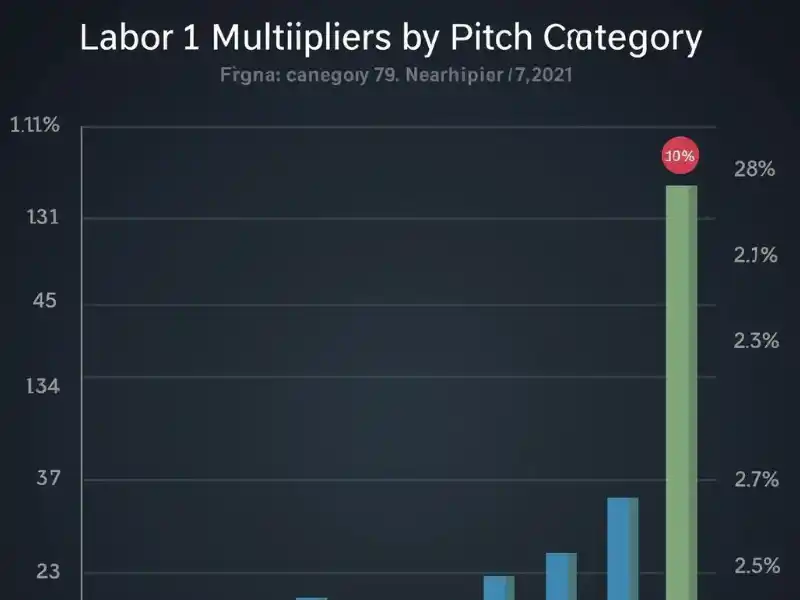
Labor Multipliers by Pitch Category
Labor is often the largest portion of a roofing project. Contractors apply multipliers based on slope difficulty:
-
Low slope: Standard labor rates
-
Moderate pitch: Slight increase
-
Steep pitch: Significant labor increase due to the difficulty and time
A steep roof replacement cost is usually higher because crews must move more slowly and use specialized techniques.
Safety Equipment Requirements (OSHA Standards)
For roofs above an 8:12 pitch, additional safety measures are required, including:
-
Harness systems
-
Roof brackets and scaffolding
-
Fall protection equipment
-
Additional crew members for safety monitoring
These safety requirements add time and expense, contributing to the overall roof pitch replacement cost.
Low-Slope vs. Walkable vs. Steep Pitch: A Cost Breakdown
Here’s a general comparison:
| Pitch Type | Difficulty | Typical Cost Impact |
|---|---|---|
| Low slope | Easier access | Lower labor costs |
| Moderate / Walkable | Average difficulty | Standard pricing |
| Steep slope | High risk | Highest labor costs |
Because steep roofs require more safety measures and specialized skills, the steep roof replacement cost can be 25–50% higher than a standard project.
How Pitch Affects Material Selection
Roof pitch also determines which materials are suitable:
-
Asphalt shingles: Best for moderate to steep slopes
-
Metal roofing: Works well for most pitches and sheds water efficiently
-
TPO / EPDM membranes: Ideal for low-slope or flat roofs
Choosing the wrong material for your pitch can cause leaks, drainage problems, and premature failure. That’s why professional contractors evaluate the slope before recommending materials during a roof replacement estimate.

Tips to Control Your Roof Pitch Replacement Cost
If you’re planning a project, consider these tips:
-
Schedule during off-peak seasons to reduce labor costs.
-
Compare multiple quotes to identify fair pricing.
-
Choose durable materials to reduce long-term maintenance.
-
Fix structural issues early to prevent additional expenses.
-
Work with experienced contractors who specialize in roof pitch replacement projects.
When to Get Multiple Estimates
Always request at least 2–3 estimates, especially if your roof has a steep slope. Comparing proposals helps you understand pricing differences related to roof pitch cost, labor requirements, and material recommendations.
Multiple quotes also protect you from overpaying and ensure transparency.
Final Thought
Roof pitch is one of the most important factors influencing the total price of a roofing project. From material quantities to labor complexity and safety requirements, slope affects nearly every part of the process. Understanding these details helps homeowners make informed decisions and budget more accurately for their roof pitch replacement.
If you’re considering a roof replacement and want an accurate quote based on your roof’s pitch, contact us today to schedule a professional inspection and receive a detailed, personalized estimate from our experienced roofing team.
Join Our Community
Join our community on Facebook, and don’t forget to subscribe to us on YouTube for new content each week.
FAQs
1. What is roof pitch in roofing?
Roof pitch is the slope of your roof, measured as rise over run, such as 6:12. It determines drainage, material needs, and replacement cost.
2. Does a steeper roof cost more to replace?
Yes. Steeper roofs require more labor, safety equipment, and materials, which increases the overall replacement cost.
3. How does roof pitch affect roofing materials?
Low slopes use membranes like TPO, while steeper roofs often use shingles or metal to ensure proper water drainage.
4. Can the roof pitch change during replacement?
Usually no. Structural modifications are required to change pitch, which significantly increases project cost.
5. How do contractors measure roof pitch?
Contractors measure pitch using levels, pitch gauges, or digital tools to calculate the slope ratio accurately.