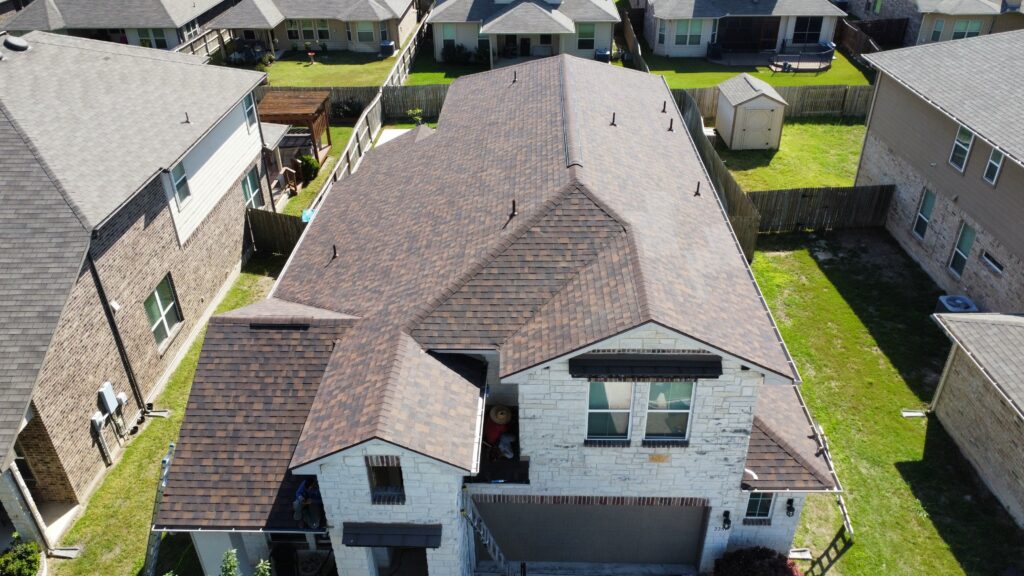
As a Texas homeowner, you understand the unique challenges that come with our state’s intense heat and unpredictable weather patterns. At SoTex Roofing and Exteriors, we’ve spent years helping San Antonio residents protect their homes with proper roof ventilation systems that stand up to the Lone Star State’s demanding climate. Understanding the importance of adequate roof ventilation can save you thousands in energy costs while extending your roof’s lifespan and maintaining your family’s comfort year-round.
Why Roof Ventilation Systems Matter in Texas
Texas summers are notorious for their relentless heat, with temperatures often soaring above 100 degrees Fahrenheit for weeks at a time. Without proper roof ventilation systems, your attic can become a furnace, reaching temperatures of 150 degrees or higher. This extreme heat doesn’t just make your air conditioning work overtime – it can cause serious structural damage to your roof decking, shingles, and insulation. The scorching Texas sun beats down on your roof for up to 14 hours a day during summer months, making effective ventilation not just beneficial but absolutely essential for protecting your investment.
Poor ventilation creates a domino effect of problems throughout your home. When hot air becomes trapped in your attic space, it forces your HVAC system to work harder to maintain comfortable indoor temperatures, resulting in skyrocketing energy bills. Additionally, the excessive heat can cause premature aging of roofing materials, leading to cracked shingles, warped decking, and compromised structural integrity that could cost thousands to repair or replace.
Understanding Different Types of Roof Ventilation Systems
Modern roof ventilation systems come in several varieties, each designed to address specific ventilation needs and architectural considerations. Ridge vents represent one of the most popular and effective solutions for Texas homes. These low-profile vents run along the peak of your roof, allowing hot air to escape naturally through the stack effect while maintaining your home’s aesthetic appeal. Ridge vents work continuously without electricity, making them both cost-effective and environmentally friendly.
Turbine vents, also known as whirlybird vents, use wind power to create suction that pulls hot air from your attic space. These spinning roof ventilation systems are particularly effective in Texas, where consistent breezes help maintain optimal airflow throughout the day. While turbine vents are more visible than ridge vents, they offer excellent ventilation capacity and can be especially beneficial for larger homes or those with complex rooflines.
Powered exhaust fans provide active ventilation by using electric motors to force hot air out of your attic. These roof ventilation systems are ideal for homes where passive ventilation isn’t sufficient or where architectural constraints limit other options. Modern powered fans often include thermostats and humidity sensors, automatically activating when attic temperatures or moisture levels exceed predetermined thresholds.
The Science Behind Effective Roof Ventilation
Proper roof ventilation systems rely on the fundamental principle of air circulation – hot air rises and cool air sinks. This natural phenomenon, known as the stack effect, drives the continuous movement of air through your attic space when ventilation is properly designed and installed. For optimal performance, your ventilation system needs both intake and exhaust components working together in harmony.
Intake ventilation typically occurs through soffit vents installed under your roof’s eaves, allowing cool outside air to enter the attic space. This incoming air travels upward through the attic, absorbing heat along the way, before exiting through exhaust vents located near the roof’s peak. The key to successful roof ventilation systems lies in achieving balanced airflow, with equal amounts of intake and exhaust ventilation to maintain consistent air circulation.
The ventilation requirements for your home depend on several factors, including your attic’s square footage, roof pitch, local climate conditions, and the type of roofing materials used. Generally, building codes recommend one square foot of ventilation for every 150 square feet of attic space, with this ventilation split evenly between intake and exhaust points.
Benefits of Professional Roof Ventilation Installation
Investing in professional roof ventilation systems offers numerous advantages that extend far beyond simple temperature control. Properly installed ventilation can reduce your cooling costs by 10-15% during Texas’s brutal summer months, providing significant savings on your monthly energy bills. Over time, these savings can offset the initial investment in quality ventilation equipment and professional installation.
Beyond energy savings, effective roof ventilation systems help prevent moisture-related problems that can plague Texas homes. During cooler months, ventilation prevents condensation buildup that can lead to mold growth, wood rot, and insulation damage. This is particularly important in humid regions of Texas, where moisture management becomes critical for maintaining healthy indoor air quality and structural integrity.
Proper ventilation also extends the lifespan of your roofing materials by preventing the extreme temperature fluctuations that cause expansion and contraction damage. Shingles that are constantly exposed to excessive heat become brittle and prone to cracking, while properly ventilated roofs maintain more consistent temperatures that preserve material flexibility and durability.
Choosing the Right Roof Ventilation Systems for Your Home
Selecting appropriate roof ventilation systems requires careful consideration of your home’s specific characteristics and your family’s needs. The size and layout of your attic space, your roof’s pitch and design, and your local weather patterns all influence which ventilation options will perform best. At SoTex Roofing and Exteriors, we conduct thorough assessments to determine the ideal ventilation strategy for each unique situation.
For most San Antonio homes, a combination approach often provides the best results. Ridge vents paired with soffit vents create excellent passive airflow, while strategically placed turbine vents or powered fans can boost ventilation capacity in areas where natural airflow might be limited. This comprehensive approach ensures consistent performance regardless of weather conditions or seasonal variations.
The quality of ventilation components also plays a crucial role in long-term performance. Professional-grade roof ventilation systems feature weather-resistant materials, precision engineering, and warranties that protect your investment. While budget options might seem attractive initially, they often fail prematurely under Texas’s harsh conditions, leading to costly replacements and potential damage to your home.
Maintenance and Long-Term Care
Like all roofing components, roof ventilation systems require periodic maintenance to ensure optimal performance. Regular inspections should check for debris accumulation, damaged screens, or worn weather seals that could compromise ventilation effectiveness. Turbine vents need occasional lubrication to maintain smooth operation, while powered fans may require motor maintenance or replacement over time.
Professional maintenance from experienced contractors like SoTex Roofing and Exteriors ensures your roof ventilation systems continue operating at peak efficiency year after year. Our comprehensive maintenance programs include cleaning, adjustment, and replacement of worn components before they cause system failures or performance degradation.
Conclusion
Proper roof ventilation systems are essential for protecting your Texas home from the unique challenges posed by our extreme climate. From reducing energy costs and extending roof life to preventing moisture damage and maintaining indoor comfort, quality ventilation delivers benefits that far exceed the initial investment. At SoTex Roofing and Exteriors, we’re committed to helping San Antonio homeowners choose and maintain the roof ventilation systems that best serve their needs and budget.Contact us today to learn how professional ventilation solutions can protect your home and your family for years to come.