As a homeowner, your roof is one of the most important investments you will ever make. Understanding roofing material lifespan is essential when planning for repairs, budgeting for replacements, or purchasing a new home.
At SoTex Roofing and Exteriors, we work with San Antonio homeowners every day to help them make informed decisions about their roofs. In this guide, we break down the roofing material lifespan for the most common residential options so you can protect your home and your wallet for years to come.
Why Roofing Material Lifespan Matters
Not all roofs are created equal, and Roof lifespan varies significantly from one product to the next. In a climate like San Antonio’s with intense summer heat, UV exposure, hail storms, and occasional freezes, the right roofing material can mean the difference between a roof that lasts 15 years and one that lasts 50.
Knowing the expected roofing material lifespan for your specific roof helps you plan maintenance schedules, anticipate costs, and avoid being caught off guard by a premature failure. Whether you’re building a new home or replacing an aging roof, this information should guide every decision you make.
Asphalt Shingles: The Most Common Choice
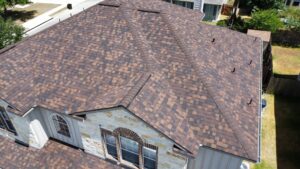
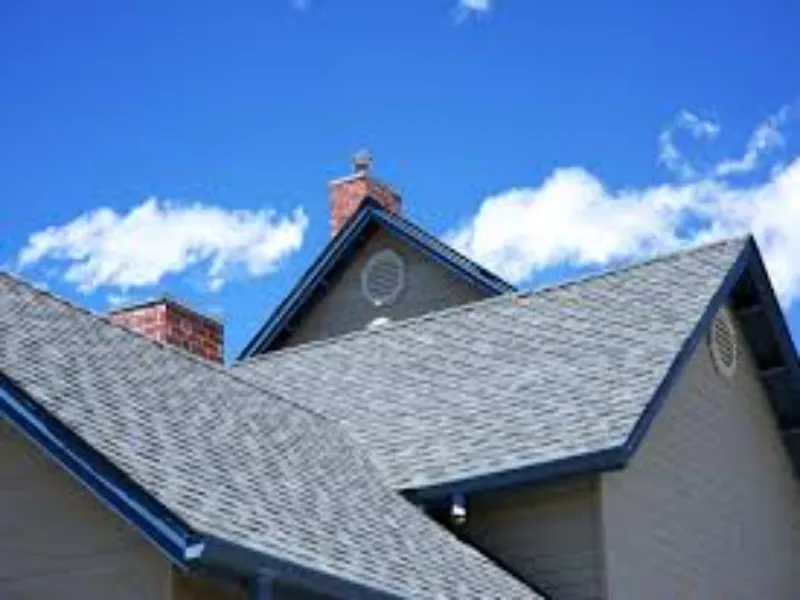
Asphalt shingles are by far the most popular roofing material in the United States, and for good reason. They are affordable, widely available, and relatively easy to install. The Roof durability period for standard three-tab asphalt shingles typically falls between 15 and 20 years, while architectural (dimensional) shingles offer a longer roofing lifespan of 25 to 30 years.
Premium designer shingles can last up to 40 years under the right conditions. In Texas’s hot climate, proper attic ventilation is critical to achieving the maximum Roof durability period for any asphalt product. Without adequate ventilation, heat buildup can accelerate shingle deterioration and significantly shorten their useful life.
Metal Roofing: Long-Lasting and Durable
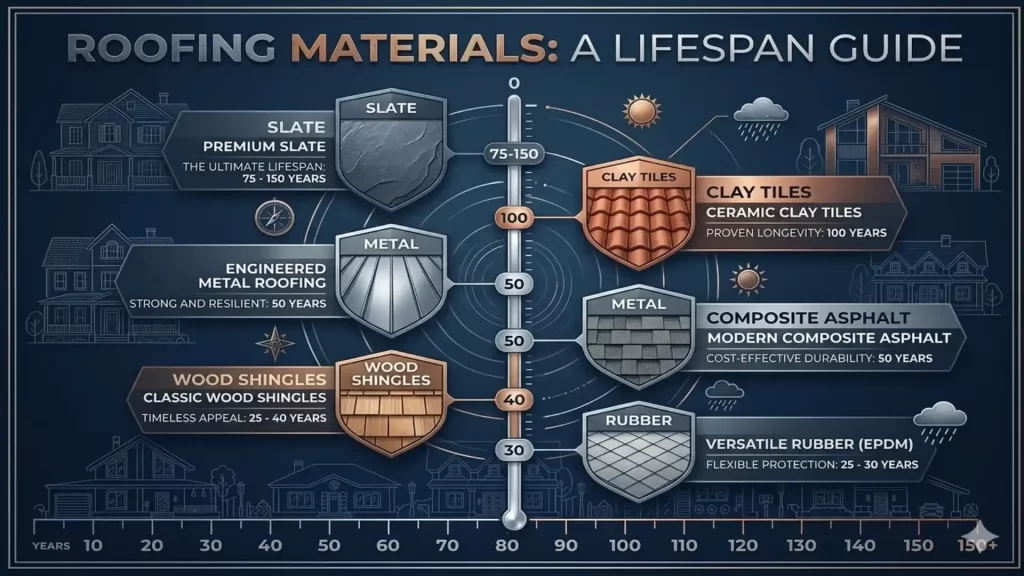
Metal roofing has surged in popularity among Texas homeowners over the past decade, and the numbers back it up. The Roof durability period for metal roofs is impressive, typically ranging from 40 to 70 years, depending on the type of metal used and the quality of installation. Steel and aluminum roofing systems generally last 40 to 50 years, while copper and zinc roofs can exceed 70 years. Metal roofs are also highly resistant to hail, wind, and UV exposure that San Antonio homes regularly face.
Though the upfront cost is higher than that of asphalt, the extended Roof material durability often makes metal roofing a more cost-effective solution over the long run. At SoTex Roofing and Exteriors, we frequently recommend metal roofing for homeowners who plan to stay in their homes for decades.
Tile Roofing: Classic Beauty with Exceptional Longevity
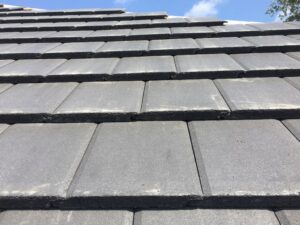
Clay and concrete tile roofing are a common sight across San Antonio’s neighborhoods, blending beautifully with the region’s Spanish and Mediterranean architectural styles. The expected life of roofing materials for clay tile is extraordinary, often exceeding 50 to 100 years when properly maintained. Concrete tile typically offers a roofing lifespan of 30 to 50 years. Both materials are naturally resistant to fire, insects, and rot. However, tile roofing is heavy, and your home’s structure must be able to support the added weight.
Individual tiles can crack from impact, such as hail or foot traffic, but because individual tiles can be replaced, minor damage does not necessarily mean a full roof replacement. For many San Antonio homeowners, tile remains a top choice for its combination of aesthetic appeal and long-term durability.
Wood Shakes and Shingles: Natural but High-Maintenance
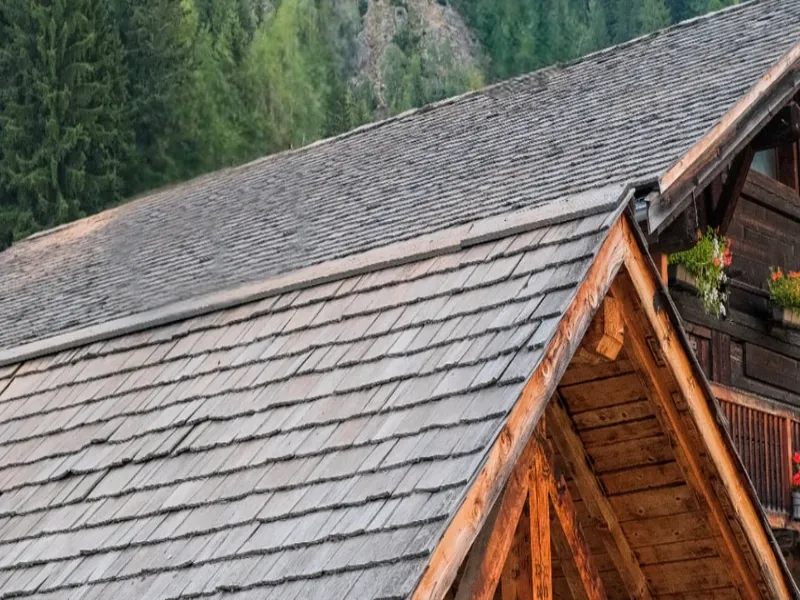
Wood shakes and shingles offer a rustic, natural appearance that many homeowners love. Cedar is the most common species used, prized for its natural resistance to insects and decay. The Roof material longevity for wood shakes is generally 20 to 30 years, though this depends heavily on the local climate and how well the roof is maintained. In humid climates, wood roofing is prone to moss, algae, and rot, which can significantly reduce the material’s lifespan.
In San Antonio’s hot and occasionally humid climate, wood roofing requires regular cleaning, treatments, and inspections to reach its full potential lifespan. While beautiful, wood roofing is typically not the most practical choice for Texas homeowners who want low-maintenance solutions.
Flat and Low-Slope Roofing: Special Considerations
Many San Antonio homes, particularly those with modern or contemporary designs, feature flat or low-slope roofing systems. Common materials include TPO (thermoplastic polyolefin), modified bitumen, and EPDM rubber. The Roof material longevity for these systems generally ranges from 15 to 30 years, depending on the product and installation quality. Regular inspections are especially important for flat roofing because standing water can accelerate deterioration and lead to leaks.
With proper drainage design and routine maintenance, flat roofing can reach the top end of its roofing material and protect your home effectively.
Factors That Affect the Expected life of roofing materials in San Antonio
Regardless of which material you choose, several local factors will influence how long your roof actually lasts. San Antonio’s extreme summer heat, UV radiation, seasonal hailstorms, and temperature swings all take a toll over time. The quality of installation is equally important, even if the best materials will underperform if not properly installed. Regular maintenance, including annual inspections, prompt repairs, and keeping gutters clean, can add years to your roof’s life.
At SoTex Roofing and Exteriors, we encourage every homeowner to schedule annual roof inspections to catch small issues before they become costly problems.
Final Thought
Understanding roofing material lifespan is the first step toward making smart, long-term decisions about your home. Whether you’re comparing asphalt and metal roofing or trying to determine how much life remains in your current roof, having the right information helps you plan and avoid costly surprises.
At SoTex Roofing and Exteriors, our team helps homeowners across San Antonio evaluate their roofs, choose the right materials, and extend the life of their roofing systems through proper maintenance and inspections. If you’re unsure about the condition of your roof or want professional guidance on your next roofing project, scheduling an inspection can provide the clarity you need.
Join Our Community
Join our community on Facebook, and don’t forget to subscribe to us on YouTube for new content each week.
FAQs
1. How long does a typical roof last?
Most roofs last 15–30 years, depending on the material. Metal and tile roofs can last much longer with proper installation and regular maintenance.
2. What roofing material lasts the longest?
Clay tile, copper, and metal roofs have the longest lifespan, often lasting 50–100 years when properly installed and maintained.
3. What factors affect roofing material lifespan?
Climate, installation quality, ventilation, maintenance, and weather events like hail or strong UV exposure all affect how long a roof lasts.
4. How can homeowners extend roof lifespan?
Regular inspections, proper attic ventilation, quick repairs, and keeping gutters clean help extend the life of most roofing materials.
5. When should a roof be replaced?
A roof should be replaced when it shows major damage, persistent leaks, sagging, or when it reaches the end of its expected material lifespan.