
Does your concrete tile roof still look solid from the street, but something about it feels off? Have you spotted a cracked tile, dark stain, or loose piece and wondered whether it is harmless or the beginning of a much bigger problem? For homeowners dealing with tile roof damage San Antonio weather can make small issues worse faster than expected. Intense heat, heavy rain, hail, and wind all put stress on concrete tile roofs, and the damage is not always obvious from the ground.
Cracked or Broken Tiles Are the Most Obvious Warning Sign
A cracked tile may look like a minor cosmetic problem, but it can expose the layers underneath to weather.
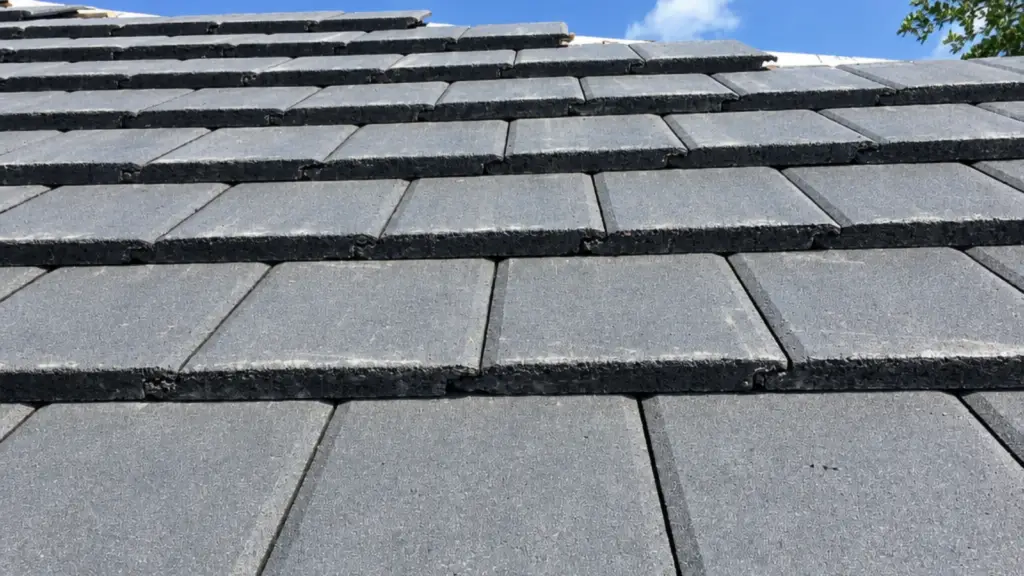
Concrete tiles can crack from impact, foot traffic, falling branches, hail, or natural movement over time.
When tile roof damage San Antonio homeowners notice includes visible cracks, the area should be inspected before water has a chance to reach the underlayment.
One broken tile does not automatically mean the entire roof needs replacement.
But ignoring it can allow moisture to work its way beneath neighboring tiles, especially during wind-driven rain.
Missing Tiles Leave the Roof More Vulnerable
If a tile is completely missing, the roof has lost part of its outer protective layer.
Strong winds can loosen tiles that were already weakened by age, previous impact, or poor fastening.
Missing tiles make tile roof damage San Antonio homeowners should address much more urgent because the exposed area is now more vulnerable to direct weather.
Underlayment provides backup protection, but it is not meant to remain permanently exposed.
A professional inspection can determine whether the problem is limited to one section or whether nearby tiles have also loosened.
Slipped Tiles Can Be Easy to Miss
Not every damaged tile falls off.
Sometimes tiles shift or slide out of position.
From the driveway, the roof may still look mostly normal, but a small gap between tiles can allow water to enter areas that were previously protected.
This type of tile roof damage San Antonio properties experience is easy to overlook because the tile may still be sitting on the roof.
A roofer can check whether tiles have moved, whether fasteners are still secure, and whether the surrounding material remains properly aligned.
Small movement now can become a bigger problem after the next storm.
Water Stains Inside Your Home Are a Serious Clue
If you see brown stains on ceilings, damp spots near exterior walls, or moisture in the attic, do not assume the problem just started.
Water may have been entering the roofing system for some time before becoming visible indoors.
Tile roof damage San Antonio homeowners discover inside the house often begins outside with a cracked tile, damaged flashing, failed underlayment, or drainage problem.
Water can travel along decking and framing, meaning the visible stain may be far from the actual leak source.
That is why professional leak detection matters.
Underlayment Can Fail Even When the Tiles Look Fine
One of the biggest misconceptions about concrete tile roofing is that the tiles alone keep the home waterproof.
In reality, underlayment plays a major role in moisture protection.
The tiles shed most of the rain, while the underlayment provides another protective layer over the roof deck.
If the underlayment becomes old, brittle, punctured, or damaged, tile roof damage San Antonio homeowners face may develop even when the tiles themselves look fine.
This is especially important on older tile roofs where the visible material can outlast the layers underneath.
Sometimes the real issue is not the tile at all.
Flashing Problems Can Cause Hidden Leaks
Flashing is installed around roof penetrations and transitions, including chimneys, vents, skylights, valleys, and walls.
These areas handle concentrated water flow and depend on proper sealing.
When flashing loosens, corrodes, or separates, water can move underneath the roofing system.
A thorough inspection for tile roof damage San Antonio homeowners request should include these vulnerable areas, not just the tile surfaces.
Many leaks that appear to come from “bad tiles” actually begin around flashing.
The repair only works if the actual source is identified.
Hail Can Damage Concrete Tiles
Concrete tile is strong, but it is not immune to severe hail.
Large or forceful hailstones can chip edges, crack tiles, or create fractures that are difficult to see from the ground.
After a major storm, tile roof damage San Antonio homes experience may not be obvious immediately.
A tile can look intact while still having small cracks that allow moisture to reach the underlayment over time.
This is why post-storm inspections are important, especially when other homes in the neighborhood show visible hail damage.
Walking on Tile Can Cause Damage Too
Concrete tiles can crack when stepped on incorrectly.
That means homeowners should avoid walking on the roof themselves to investigate a suspected problem.
A trained roofing professional knows how to move across tile roofing more carefully and how to inspect vulnerable areas without causing unnecessary damage.
When evaluating tile roof damage San Antonio professionals should also look for signs of previous foot traffic, repair work, or service access that may have weakened tiles.
Sometimes damage happens during unrelated work such as HVAC, solar, or satellite installation.
Valleys Can Trap Debris and Moisture
Roof valleys carry large amounts of water during heavy rain.
On tile roofs, leaves, twigs, and other debris can accumulate in these channels and restrict drainage.
Trapped debris can hold moisture in one area longer than it should.
This can contribute to tile roof damage San Antonio homeowners may not notice until a leak appears.
Keeping valleys clear helps water move efficiently off the roof and reduces stress on surrounding flashing and underlayment.
Homes with nearby trees may need more frequent checks.
Sagging or Uneven Areas Should Never Be Ignored
A tile roof should maintain a consistent shape.
If you notice dipping, sagging, or uneven sections, the issue may go deeper than the tile surface.
Possible causes can include damaged decking, long-term moisture, structural movement, or problems beneath the roofing materials.
This type of tile roof damage San Antonio homeowners notice should be evaluated promptly.
Concrete tile is heavy, so the structure underneath needs to remain sound.
A visual irregularity may be the first clue that something below the surface needs attention.
Dark Streaks and Organic Growth Can Signal Moisture
Dark staining, algae, moss, or organic growth does not always mean the roof is failing, but it can tell you something about how moisture is behaving.
Shaded sections may dry more slowly after rain, especially around trees or complex rooflines.
When evaluating tile roof damage San Antonio properties may have, professionals can determine whether staining is cosmetic or connected to drainage and moisture issues.
Avoid aggressive pressure washing without professional guidance.
Improper cleaning methods can damage roofing materials or force water into areas where it does not belong.
Frequent Repairs May Point to a Bigger Problem
One cracked tile is usually a repair.
Repeated repairs across different sections of the roof deserve a bigger conversation.
If tiles keep breaking, leaks continue returning, or underlayment problems are becoming more common, the roofing system may be showing broader signs of age.
Recurring tile roof damage San Antonio homeowners experience should be evaluated as a whole rather than treating every repair as an isolated event.
Sometimes a focused restoration is enough.
In other cases, more extensive work may provide better long-term value.
Do Not Wait Until the Next Storm Answers the Question for You
Concrete tile roofs can provide years of strong performance, but durability should never be confused with invincibility.
Cracked tiles, missing pieces, slipping sections, failed flashing, aging underlayment, leaks, hail damage, and structural changes are all warning signs worth taking seriously.
If you have noticed signs of tile roof damage San Antonio homeowners should not wait until the next heavy rain to find out whether the problem is getting worse.
What if the cracked tile you can see is only the first clue to damage hiding underneath? Schedule a professional roof inspection with SoTex Roofing and Exteriors and find out whether your tile roof needs a simple repair, preventive maintenance, or a deeper solution before another Texas storm puts it to the test.