
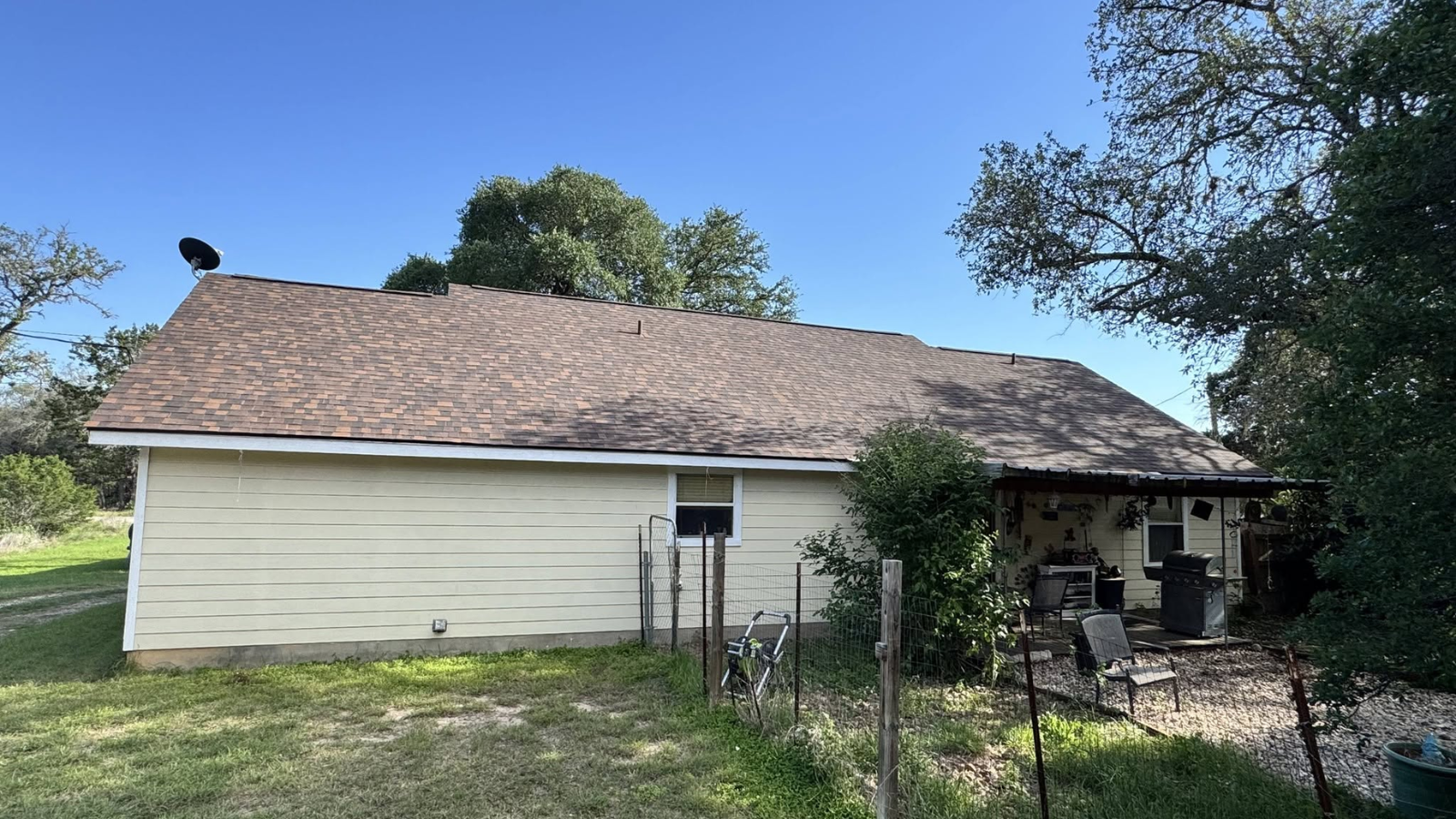
Trees add beauty, shade, and value to your property, but they can also pose a serious threat to your roof. Strong winds, severe thunderstorms, heavy rain, and aging trees can cause branches or entire trees to fall unexpectedly, leaving homeowners with costly repairs and safety concerns. In Texas, where storms can arrive with little warning, knowing how to respond to tree roof damage is essential.
Whether it’s a small branch that scraped your shingles or a large tree that crashed through your roof, taking the right steps immediately can minimize additional damage and help restore your home more quickly.
At SoTex Roofing and Exteriors, we help homeowners throughout the San Antonio area recover from storm-related roofing damage with professional inspections, repairs, and roof replacement services. Here’s what every homeowner should know about tree roof damage, including what to do immediately after it happens and how to prevent similar problems in the future.
Why Tree Damage Happens
Trees naturally move with the wind, but severe weather can push them beyond their limits.
Common causes of tree roof damage include:
- Strong thunderstorms
- High wind events
- Dead or diseased trees
- Heavy rain that weakens root systems
- Lightning strikes
- Ice accumulation during rare winter storms
- Overgrown tree limbs
Even healthy trees can become dangerous during extreme weather if branches extend over your roof.
Stay Safe First
If a tree has fallen on your home, your first priority should always be safety.
Do not climb onto the roof or attempt to remove branches yourself.
Instead:
- Check that everyone inside the home is safe.
- Leave the home if the structure appears unstable.
- Stay away from downed power lines.
- Contact emergency services if necessary.
- Keep children and pets away from the damaged area.
Large trees can compromise the structural integrity of your home, making it unsafe to remain inside until professionals inspect the damage.
Assess the Damage from the Ground
Once it is safe, inspect your home from ground level.
Look for signs of tree roof damage, such as:
- Broken or missing shingles
- Large branches resting on the roof
- Sagging roof sections
- Damaged gutters
- Cracked chimneys
- Fallen tree limbs around the property
- Debris scattered across the roof
Avoid climbing onto the roof, as hidden structural damage may make it unsafe.
Prevent Additional Water Damage
If your roof has been punctured or partially collapsed, rainwater can quickly enter your home.
Temporary measures may include:
- Placing buckets under active leaks
- Moving furniture away from affected areas
- Covering valuables with plastic sheeting
- Contacting a roofing contractor for emergency tarping
Professional emergency tarping helps protect your home until permanent repairs can begin.
Document the Damage
Before cleanup begins, document everything.
Take clear photos of:
- The fallen tree
- Roof damage
- Interior leaks
- Damaged siding
- Broken windows
- Gutters and downspouts
Detailed documentation supports insurance claims and helps roofing professionals assess the full extent of the tree roof damage.
Contact Your Insurance Company
Most homeowner’s insurance policies cover storm-related tree roof damage, although coverage varies.
When contacting your insurance provider:
- Report the damage promptly.
- Share photographs.
- Ask about your deductible.
- Schedule an adjuster inspection.
- Keep receipts for emergency repairs.
Working with an experienced roofing contractor can help simplify the insurance process by providing detailed inspection reports and repair estimates.
Schedule a Professional Roof Inspection
Even if the damage appears minor, it’s important to have your roof professionally inspected.
Some forms of tree roof damage aren’t immediately visible.
Inspectors evaluate:
- Roof decking
- Structural framing
- Flashing
- Shingles
- Underlayment
- Gutters
- Roof vents
- Attic damage
A comprehensive inspection ensures hidden problems don’t become future leaks.
Common Types of Tree Roof Damage
Tree impacts can affect far more than just shingles.
Broken Shingles
Branches scraping across the roof can crack or tear shingles, leaving your roof vulnerable to water intrusion.
Damaged Roof Decking
Heavy impacts may crack or weaken the wooden decking beneath the shingles.
Punctures
Large limbs can punch holes directly through the roofing system.
Damaged Flashing
Tree limbs often bend or tear flashing around chimneys, skylights, and roof valleys.
Gutter Damage
Falling branches commonly dent or pull gutters away from the roofline.
Each of these issues requires prompt attention to prevent additional deterioration.
Don’t Delay Repairs
Some homeowners postpone repairs if the roof isn’t actively leaking.
Unfortunately, untreated tree roof damage often worsens over time.
Small openings allow moisture to enter, leading to:
- Mold growth
- Wood rot
- Insulation damage
- Ceiling stains
- Interior water damage
Addressing problems early is almost always less expensive than waiting.
When Is Roof Replacement Necessary?
Not every incident requires a full roof replacement.
Minor damage can often be repaired by replacing:
- Individual shingles
- Flashing
- Gutters
- Small sections of decking
However, replacement may be recommended if:
- Structural damage is extensive.
- Multiple roof sections are compromised.
- The roof is already near the end of its lifespan.
- Repairs would exceed the value of replacement.
A professional roofing inspection helps determine the most cost-effective solution.
Long-Term Ways to Prevent Tree Roof Damage
While storms cannot be prevented, homeowners can reduce future risks with proper maintenance.
Trim Overhanging Branches
Keep branches at least several feet away from the roof whenever possible.
This reduces the likelihood of limbs scraping shingles or falling during storms.
Remove Dead Trees
Dead or diseased trees are far more likely to fall during severe weather.
A certified arborist can identify hazardous trees before they become a problem.
Schedule Roof Inspections
Annual inspections help identify roofing issues that may become more vulnerable during storms.
Keep Gutters Clean
Leaves and small branches can clog gutters, causing water to back up beneath shingles.
Cleaning gutters regularly improves drainage and protects your roof.
Watch for Tree Health Problems
Trees showing signs of decay, leaning, hollow trunks, or root damage should be evaluated promptly.
Healthy trees are less likely to contribute to tree roof damage.
Why Professional Repairs Matter
Roof repairs following tree impacts often involve more than replacing shingles.
Experienced roofing professionals understand how to identify hidden structural damage that may not be visible during a simple visual inspection.
Professional repairs ensure:
- Proper waterproofing
- Structural integrity
- Manufacturer-compliant installation
- Long-lasting performance
- Peace of mind
Attempting DIY repairs after significant storm damage can create additional problems and may even affect insurance coverage.
Why Choose SoTex Roofing and Exteriors?
At SoTex Roofing and Exteriors, we understand how stressful storm damage can be. Our experienced team responds quickly to assess tree roof damage, provide honest recommendations, and restore your home’s protection with quality workmanship.
Our services include:
- Emergency roof inspections
- Storm damage assessments
- Roof repairs
- Roof replacements
- Insurance claim assistance
- Preventive maintenance
We are committed to helping San Antonio homeowners recover quickly while protecting their investment for years to come.
Final Thoughts
Experiencing tree roof damage can be overwhelming, but taking the right steps immediately can make a significant difference in protecting your home and reducing repair costs. Prioritize safety, document the damage, contact your insurance provider, and schedule a professional roof inspection as soon as possible.
Beyond emergency response, preventive maintenance plays a key role in avoiding future problems. Regular tree trimming, annual roof inspections, and prompt repairs help reduce the risk of storm-related damage while extending the life of your roofing system.
If your home has experienced tree roof damage, don’t wait for small issues to become expensive repairs. Contact SoTex Roofing and Exteriors today for a professional inspection and dependable roofing solutions that keep your home safe, secure, and ready for whatever Texas weather brings.