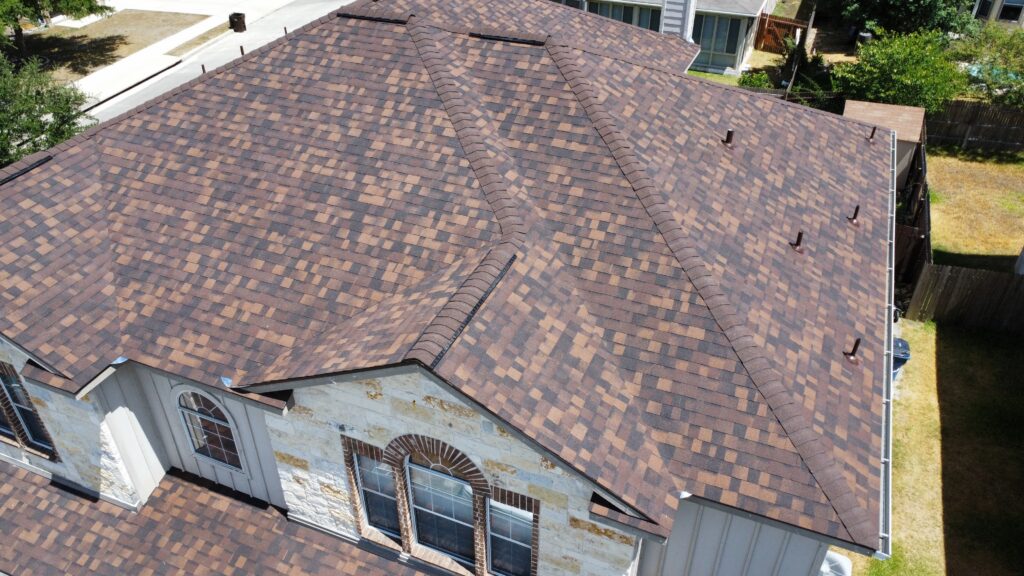
When homeowners in San Antonio think about roof maintenance, they typically focus on shingles, flashing, and gutters. However, one of the most critical yet overlooked components of a healthy roofing system lies just beneath the surface: your attic ventilation.
At SoTex Roofing and Exteriors, we’ve seen countless cases where poor attic ventilation has led to premature roof failure, energy inefficiency, and costly repairs. Understanding the importance of proper attic ventilation repair can save you thousands of dollars and extend the life of your roof significantly.
The Critical Role of Attic Ventilation
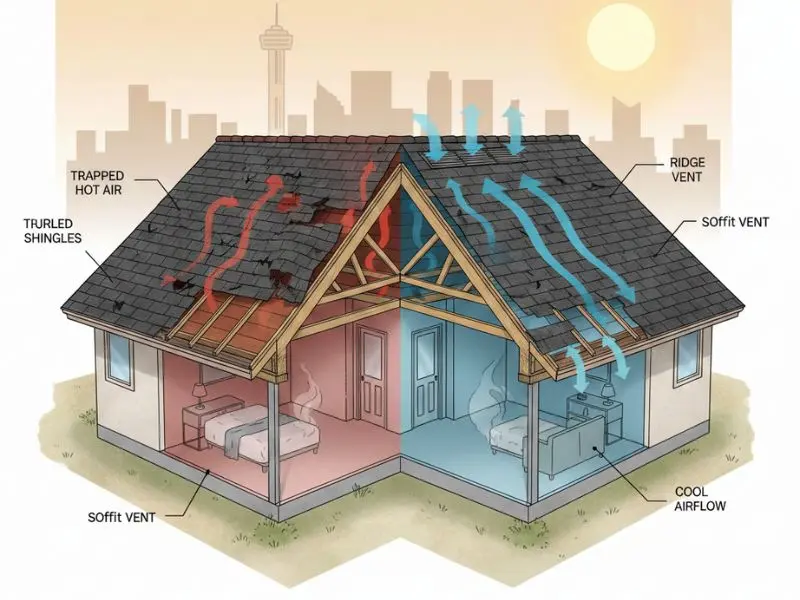
Your attic ventilation system serves as the lungs of your home, allowing fresh air to circulate while expelling hot, moisture-laden air. In San Antonio’s intense heat, where summer temperatures regularly soar above 95 degrees, a properly functioning ventilation system becomes even more crucial. When your attic lacks adequate airflow, heat builds up to extreme levels—often reaching 150 degrees or higher.
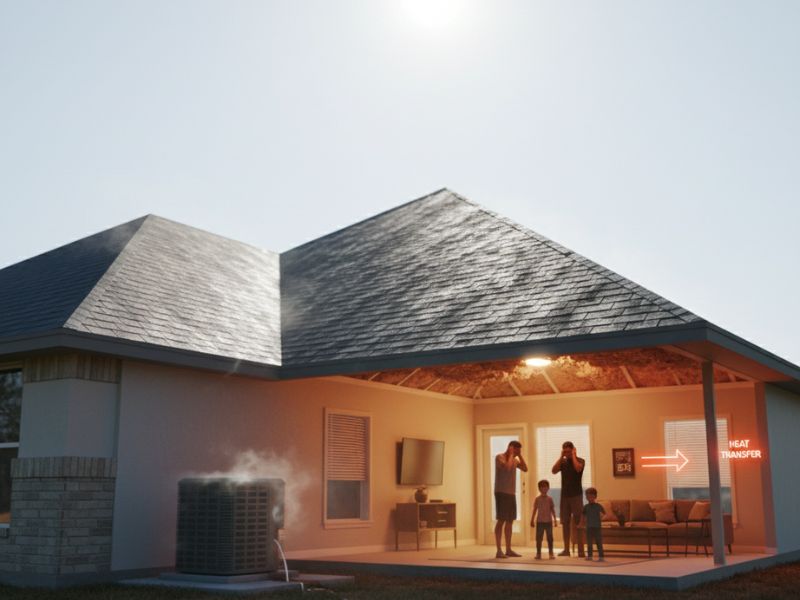
This excessive heat doesn’t just make your air conditioning work harder; it actively damages your roofing materials from the inside out. Many homeowners don’t realize they need attic ventilation repair until they notice water stains on their ceilings or unexpectedly high energy bills.
How Poor Ventilation Damages Your Roof
The relationship between attic ventilation and roof health is more direct than most people realize. When hot air becomes trapped in your attic space, it creates a pressure cooker effect that accelerates the deterioration of your roof decking and shingles.
Asphalt shingles, which are designed to withstand weather from above, become brittle and curl when exposed to excessive heat from below. This premature aging can cut your roof’s lifespan in half. Additionally, during cooler months, poor ventilation allows warm, moist air from your living spaces to condense on cold surfaces in the attic, leading to wood rot, mold growth, and structural damage. If you’re experiencing any of these issues, professional attic ventilation repair should be your first priority.
Warning Signs You Need Attic Ventilation Repair
Recognizing the signs of inadequate attic ventilation early can prevent extensive damage to your home. During summer months, if your upstairs rooms feel significantly hotter than the rest of your house despite running the air conditioning, this often indicates ventilation problems.
You might also notice that your air conditioning runs constantly without effectively cooling your home, resulting in astronomical energy bills. In winter, ice dams forming along your roof’s edge signal that heat is escaping into your attic and melting snow unevenly.
Inside your attic, look for dark staining on the underside of your roof decking, which indicates moisture accumulation. Rusty nails, damp insulation, or a musty odor are all red flags that you need immediate attic ventilation repair.
The Science Behind Proper Ventilation
Effective attic ventilation operates on a simple principle: creating a balanced system of intake and exhaust. Cool air should enter through soffit vents located at the lowest point of your roof, while hot air escapes through ridge vents, gable vents, or roof-mounted exhaust vents at the highest points.
This natural convection process, known as the stack effect, continuously refreshes the air in your attic space. However, many San Antonio homes were built without adequate ventilation or have had their ventilation systems compromised by insulation blocking soffit vents or by the addition of powered attic fans that disrupt the natural airflow.
When SoTex Roofing and Exteriors performs attic ventilation repair, we carefully calculate the proper balance of intake and exhaust based on your specific roof size and configuration.
Common Ventilation Problems in San Antonio Homes
In our experience serving the San Antonio area, we encounter several recurring ventilation issues. Many older homes have insufficient vents altogether, relying on perhaps one or two small gable vents that cannot adequately ventilate the entire attic space.
Some homes have the opposite problem—too many exhaust vents that actually pull conditioned air from your living spaces, wasting energy. We also frequently find that well-intentioned homeowners or contractors have over-insulated attics, inadvertently blocking soffit vents and cutting off the air intake.
Without proper intake, your exhaust vents cannot function effectively, regardless of how many you have. Another common issue involves mixing different types of ventilation systems, which can create conflicting air currents and reduce overall efficiency. Each of these situations requires professional attic ventilation repair tailored to your home’s specific needs.
The Impact on Energy Costs
Beyond protecting your roof structure, proper attic ventilation plays a crucial role in your home’s energy efficiency. When your attic becomes superheated due to poor ventilation, that heat radiates down into your living spaces, forcing your air conditioning system to work overtime. Studies show that homes with adequate ventilation can reduce cooling costs by up to 30 percent during summer months.
In San Antonio’s climate, where air conditioning runs for much of the year, this translates to significant savings on your utility bills. The investment in attic ventilation repair typically pays for itself within just a few years through reduced energy consumption alone, not to mention the extended lifespan of your roofing materials and HVAC system.
Professional Assessment and Repair Solutions
At SoTex Roofing and Exteriors, our attic ventilation repair process begins with a thorough inspection of your current ventilation system. We measure your attic space to calculate the required ventilation according to building codes, which typically call for one square foot of ventilation for every 150 square feet of attic space.
We examine your existing vents to ensure they’re not blocked, damaged, or improperly installed. Using thermal imaging technology, we can identify hot spots and moisture intrusion that indicate ventilation deficiencies. Based on our findings, we develop a customized attic ventilation repair plan that might include installing ridge vents, adding soffit vents, replacing damaged exhaust vents, or removing conflicting ventilation components.
We ensure proper balance between intake and exhaust, creating an efficient system that protects your roof and reduces energy costs.
Don’t Wait Until It’s Too Late
Attic ventilation problems rarely announce themselves with obvious symptoms until significant damage has occurred. By the time you notice curling shingles, water stains, or mold growth, you’re likely facing expensive repairs that go well beyond simple attic ventilation repair.
The good news is that addressing ventilation issues proactively is relatively straightforward and affordable compared to replacing damaged roof decking or treating extensive mold remediation. As your trusted roofing partner in San Antonio, SoTex Roofing and Exteriors encourages all homeowners to schedule regular attic inspections, especially if your home is more than ten years old or if you’ve never had your ventilation system evaluated.
Proper attic ventilation repair is an investment in your home’s longevity, comfort, and value—one that protects your most significant asset while keeping your family safe and comfortable year-round.
1: Why is attic ventilation important for roof health?
Proper attic ventilation allows heat and moisture to escape before they damage roofing materials. Without it, trapped heat can cause shingles to curl and deteriorate early, while moisture buildup leads to mold, wood rot, and structural issues that shorten your roof’s lifespan.
2: How can poor attic ventilation increase energy bills?
When hot air is trapped in the attic, it radiates into living spaces and forces air conditioning systems to work harder. In San Antonio’s climate, this can lead to significantly higher cooling costs and reduced HVAC efficiency throughout the year.
3: What are common signs I need attic ventilation repair?
Warning signs include hot upstairs rooms, high utility bills, musty attic odors, damp insulation, rusty nails, or water stains on ceilings. These symptoms often indicate trapped heat or moisture that requires professional ventilation repair.
4: Can attic ventilation problems be fixed without roof replacement?
Yes. Many ventilation issues can be corrected by adding or balancing intake and exhaust vents. Timely attic ventilation repair can prevent roof damage and extend the life of your existing roofing system.