
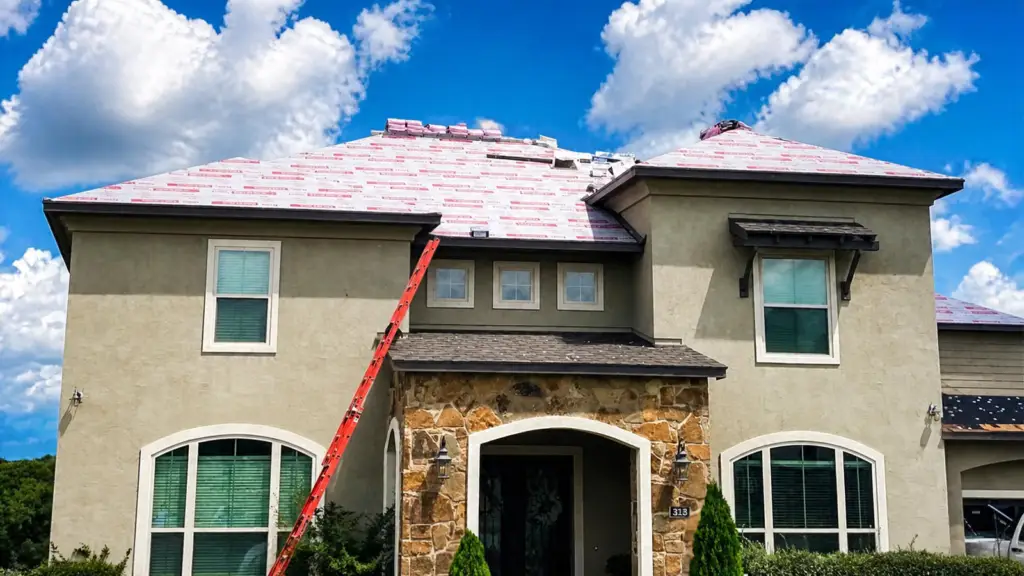
What if the most important parts of your new roof are the ones you will never see once the job is finished? Could a roof look perfect from the street but still have problems because something underneath was rushed or installed incorrectly? For homeowners planning roof installation San Antonio, the answer matters. A beautiful roof starts long before the final shingles go down. The strength, durability, and weather resistance of the finished system depend heavily on the hidden layers built beneath the surface.
It Starts With a Clean Tear-Off
Before a new roofing system can be installed, the old materials need to be removed carefully.
That usually means taking off aging shingles, old underlayment, nails, damaged flashing, and loose debris so the roofing crew can see the deck underneath.
A professional roof installation San Antonio project should never treat tear-off as a rushed demolition step.
Removing the old materials gives contractors an opportunity to inspect what has been hidden for years.
Old leak stains, deteriorated wood, previous repairs, and structural concerns may only become visible after the original roof is gone.
This is where the real condition of the roofing system starts to reveal itself.
The Roof Deck Has to Be Solid
The roof deck is the structural surface that supports everything above it.
If sections are soft, rotted, warped, or damaged by moisture, they should be addressed before new roofing materials are installed.
Quality roof installation San Antonio starts with making sure that foundation is ready.
Roofers should inspect areas near valleys, chimneys, vents, skylights, and places where previous leaks may have occurred.
A new roof should not be installed over compromised decking simply because the damage will disappear once the shingles go on.
The hidden work matters just as much as what homeowners see at the end.
Surface Preparation Makes a Difference
Once the roof deck is confirmed to be structurally sound, it needs to be prepared for the next layers.
Old nails, raised fasteners, splinters, and loose debris should be removed or corrected.
A clean, consistent surface helps underlayment lie properly and gives new shingles a better foundation.
During roof installation San Antonio, this preparation also gives installers one more opportunity to notice dips, uneven sections, or small areas that may need attention.
If the deck is not prepared correctly, imperfections underneath may affect the appearance and performance of the finished roof.
Good installation begins with details that homeowners may never know were handled.
Underlayment Creates a Hidden Backup Barrier
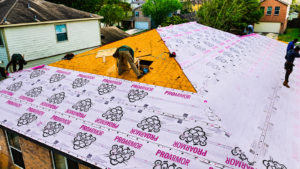
One of the most important components beneath the shingles is roof underlayment.
Underlayment sits directly over the roof deck and helps provide secondary protection against moisture.
If wind-driven rain gets beneath the shingles, underlayment adds another layer between that water and the wood supporting the roof.
That makes underlayment especially important during roof installation San Antonio homes receive, where sudden thunderstorms and severe weather can place real stress on roofing systems.
Different roofing systems may use different underlayment products depending on the design, manufacturer requirements, and areas of the roof.
What matters most is that it is installed correctly and integrated with the rest of the system.
Flashing Protects the Places Most Likely to Leak
Many leaks do not start in the middle of a large shingle field.
They begin where different surfaces meet.
Chimneys, vents, skylights, valleys, dormers, and roof-to-wall transitions all need flashing to help direct water away from vulnerable openings.
Proper flashing is one of the most critical details in roof installation San Antonio homeowners should ask about.
If flashing is poorly installed, loose, or reused when it should be replaced, water may find a pathway beneath the roof.
A roof can have excellent shingles and still leak because of one weak flashing detail.
Drip Edge Helps Protect the Roof Perimeter
The edges of the roof deserve protection too.
Drip edge is installed along roof edges to help direct water away from the decking and into the gutter system.
Without proper edge protection, water may reach fascia boards, roof decking, or other exterior materials.
A complete roof installation San Antonio project should treat drip edge as part of the water-management system rather than a small cosmetic accessory.
Shingles, underlayment, gutters, flashing, and drip edge all need to work together.
Good roofing is rarely about one individual product. It is about how every component performs as a system.
Ventilation Needs to Be Planned Before the Roof Is Closed
San Antonio summers can make attic spaces extremely hot.
Without proper airflow, heat and moisture can build up beneath the roofing system.
That is why attic ventilation should be evaluated during roof installation San Antonio projects.
Intake vents bring air into the attic while exhaust vents allow hot, humid air to escape.
When the system is balanced, ventilation can support roofing performance and help manage attic heat.
Installing beautiful new shingles without paying attention to ventilation can leave an important part of the system overlooked.
The roof needs protection from weather outside and proper conditions underneath.
Starter Shingles Set the Stage
Before the main shingles go down, starter materials are typically installed along roof edges.
Starter shingles help provide proper sealing and support at vulnerable perimeter areas.
This matters because roof edges can experience significant wind pressure during storms.
Professional roof installation San Antonio crews should follow manufacturer requirements for starter placement and fastening.
Skipping or improvising this step can affect how securely the first rows of shingles perform.
Again, it is one of those details homeowners rarely see but may appreciate when severe weather moves through.
Nail Placement Matters More Than It Looks
Roofing nails seem simple, but placement and depth are critical.
Nails that are overdriven, underdriven, angled incorrectly, or placed outside the recommended fastening area can reduce shingle performance.
Proper roof installation San Antonio contractors perform should follow the roofing manufacturer’s fastening requirements.
The number of nails, their location, and how they are driven all matter.
This becomes especially important in areas that experience wind and storms.
A shingle cannot perform as designed if the fasteners holding it in place were installed carelessly.
Valleys and Roof Transitions Need Extra Attention
Roof valleys carry concentrated amounts of rainwater.
Complex transitions may also receive runoff from several roof sections at once.
These areas require careful layering, flashing, underlayment, and shingle placement.
During roof installation San Antonio homeowners should expect their contractor to pay special attention to these high-risk zones.
Valleys may look like simple lines on the finished roof, but they are among the hardest-working drainage areas.
The more water an area handles, the more important correct installation becomes.
Ridge Caps Finish More Than the Look
Once the main roof field is complete, ridge and hip caps help cover roof intersections.
They create a finished appearance, but they also protect seams where roof slopes meet.
In some roofing systems, ridge ventilation may also be incorporated in these areas.
A complete roof installation San Antonio project should make sure caps are properly aligned, fastened, and sealed according to manufacturer requirements.
The final rows deserve the same care as the first.
Finishing details often reveal how much attention a contractor gives to the overall quality of the job.
Final Inspection Should Never Be Skipped
A roofing project should not end simply because the last shingle has been installed.
A final inspection allows contractors to review flashing, shingles, penetrations, ridges, valleys, ventilation, and other critical details.
The property should also be checked for debris, leftover materials, and stray nails.
At SoTex Roofing and Exteriors, we believe roof installation San Antonio homeowners invest in should feel complete from the roof deck to the final cleanup.
The goal is not just a roof that looks new.
It is a roofing system that was built carefully enough underneath to protect the home for years.
The Best-Looking Roof Starts Where You Cannot See
A beautiful finished roof can transform the appearance of your home, but long-term performance is created in the hidden layers beneath it.
Decking preparation, underlayment, flashing, ventilation, fastening, and water management all contribute to how well the roof handles San Antonio weather.
That is why roof installation San Antonio homeowners choose should be evaluated by more than shingle color or price. At SoTex Roofing and Exteriors, we focus on the complete roofing system because the work underneath determines how confidently the roof can protect everything below it.
What if the biggest difference between a roof that simply looks great and one that performs for years is everything your contractor does before you ever see the shingles? Schedule a professional roof inspection with SoTex Roofing and Exteriors and learn what your home needs before the first new roofing layer goes down.