
When most people think of Texas winters, they don’t immediately picture the harsh conditions that can wreak havoc on your home’s most important protective barrier—your roof. While we may not face the extreme snowfall of northern states, San Antonio and the surrounding areas experience unique challenges that make a thorough Winter Roof Inspection absolutely essential. At SoTex Roofing and Exteriors, we’ve seen firsthand how a comprehensive assessment can save homeowners thousands of dollars in emergency repairs when cold snaps, ice storms, and heavy rains arrive unexpectedly.
Why Texas Homes Need Winter Roof Inspections
Texas weather is notoriously unpredictable. One day might bring sunny skies and 70-degree temperatures, while the next could usher in freezing rain. These dramatic fluctuations cause roofing materials to expand and contract repeatedly, creating stress points. A proper Winter Roof Inspection helps identify these vulnerabilities before they turn into costly leaks.
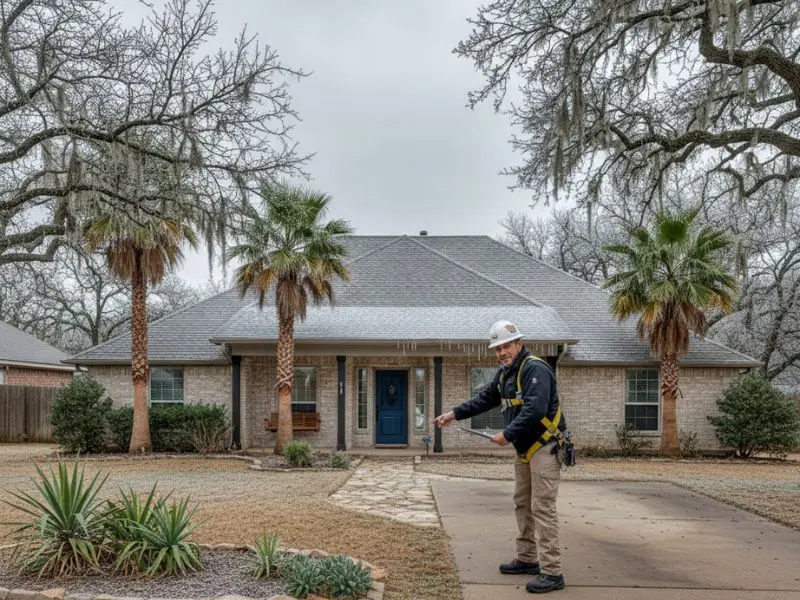
Many San Antonio homeowners mistakenly believe that because we don’t experience harsh northern winters, their roofs don’t need the same level of attention. This couldn’t be further from the truth.
Examining Your Shingles and Roofing Materials
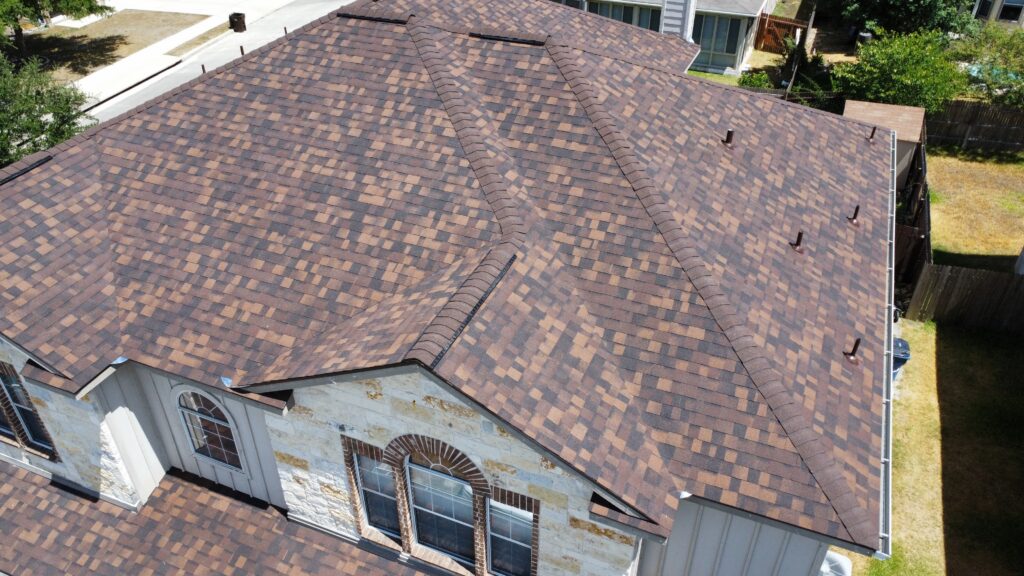
The first step involves carefully examining your shingles for signs of wear and damage. Look for cracked, curled, or missing shingles that could allow moisture to penetrate your roof deck. In Texas, our intense summer heat can cause significant deterioration to asphalt shingles, making them brittle.
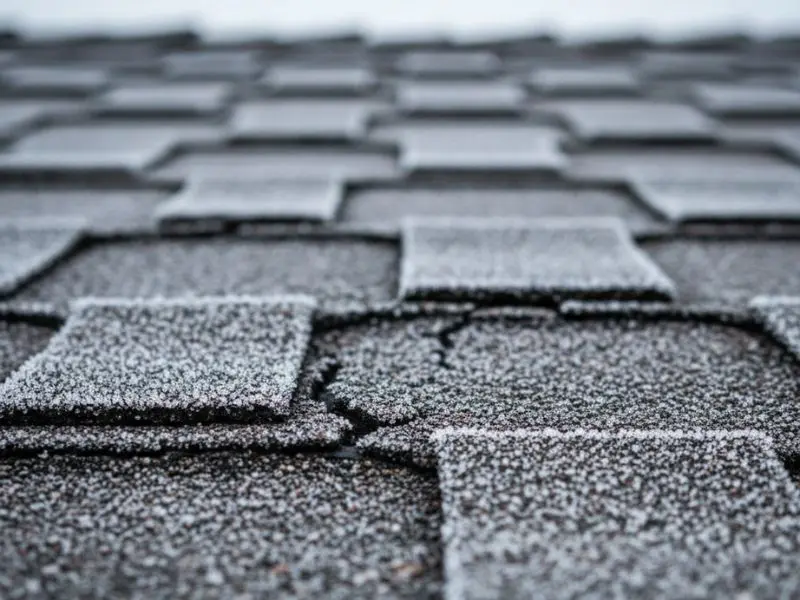
During your Winter Roof Inspection, pay special attention to areas where shingles may have lifted or loosened, as these spots become entry points for wind-driven rain. Check for granule loss, which appears as bare spots; if you notice excessive granules in your gutters, your roof’s UV protection is failing.
Inspecting Flashing and Seals
Flashing—the metal strips around chimneys, vents, and skylights—plays a crucial role in waterproofing. Examine all flashing for rust, cracks, or gaps. The sealant around these areas can deteriorate after enduring Texas’s scorching summers.
At SoTex Roofing and Exteriors, we frequently discover that compromised flashing is a leading cause of leaks. Make sure your Winter Roof Inspection includes a close examination of all transition points where different materials meet, as these are particularly vulnerable to failure.
Checking Gutters and Drainage Systems
Your gutter system is integral to protecting your home. A thorough evaluation must include cleaning and examining your gutters and downspouts. Clogged gutters force water to back up under your roofing materials, leading to rot and mold. Remove all leaves and debris from the fall season. Inspect for proper attachment to your fascia boards and ensure downspouts direct water at least five feet away from your foundation.
Assessing Your Attic and Interior Signs
An effective Winter Roof Inspection doesn’t stop at the exterior. Head into your attic with a flashlight to look for water stains on the underside of your roof deck. Look for daylight showing through cracks or holes. Examine your attic insulation and ventilation as well.
Proper ventilation helps prevent moisture buildup that leads to mold and wood rot. Verify that soffit vents are clear so your attic space breathes properly.
Trimming Overhanging Branches
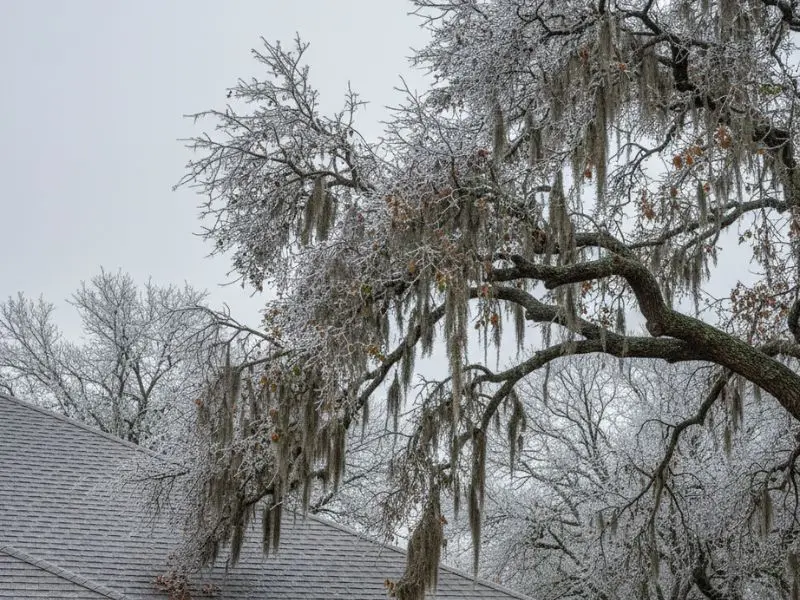
Trees add beauty, but overhanging branches pose risks during winter storms. High winds and ice can cause branches to break and crash onto your roof. Identify branches that hang over or touch your roof and arrange for professional trimming. Even branches that don’t contact the roof can scrape against shingles, wearing away protective granules.
When to Call the Professionals at SoTex Roofing and Exteriors
While homeowners can perform basic visual checks, a professional has the expertise and safety equipment to do the job right. At SoTex Roofing and Exteriors, our team knows exactly what to look for and provides detailed assessments. Don’t wait for an emergency. Schedule your professional inspection today and enjoy peace of mind knowing your San Antonio home is protected.
Frequently Asked Questions:
1. How often should I have a roof inspection in Texas?
Ideally twice a year, specifically in the spring and fall. Texas’s extreme heat followed by sudden cold snaps accelerates material fatigue, making biannual checks essential.
2. Can I perform a roof inspection myself?
You can do a visual ground check with binoculars for missing shingles. However, a professional Winter Roof Inspection is necessary to safely identify hidden structural issues or seal failures.
3. What are the signs of a roof leak inside the house?
Look for yellow or brown water stains on ceilings, bubbling paint, damp attic insulation, or a persistent musty odor. These indicate moisture is bypassing your shingles.
4. How do Texas winters specifically damage roofs?
The “freeze-thaw” cycle is the main threat. Rapid temperature swings cause water in small gaps to freeze and expand, widening cracks in shingles and flashing.
5. Does attic ventilation affect my roof’s lifespan?
Absolutely. Poor ventilation traps moisture and heat, which rots the roof deck and “cooks” shingles from underneath, significantly shortening their lifespan and potentially voiding warranties.