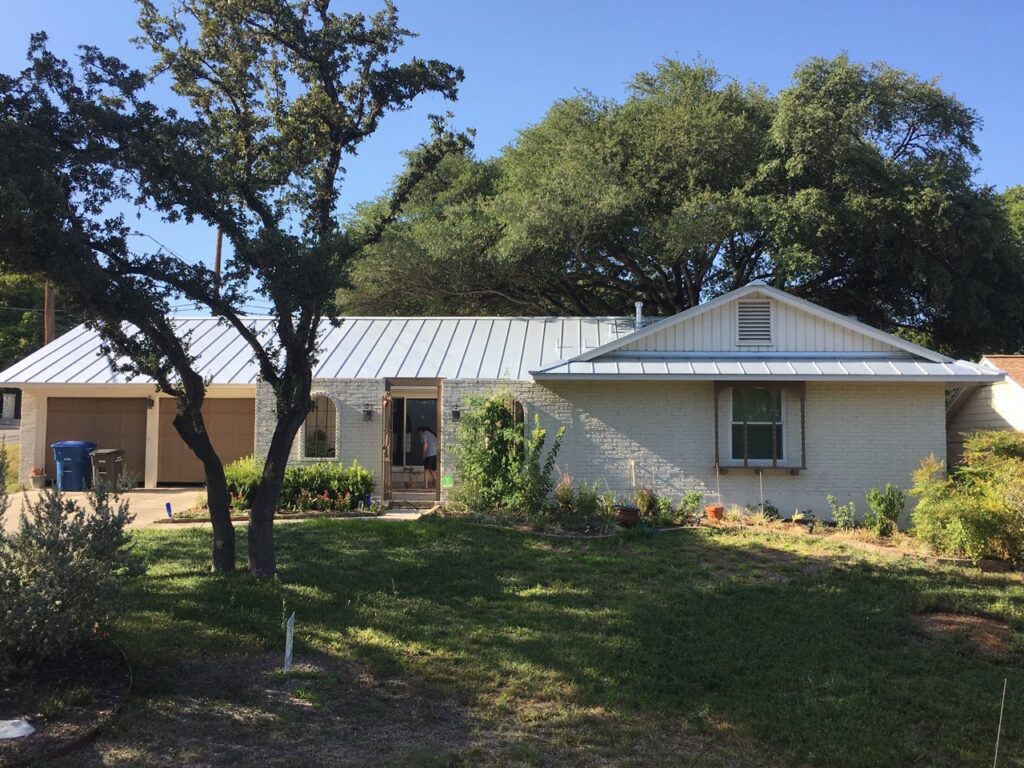
Industrial facilities demand roofing systems that can handle heavy use, extreme weather, and long operational lifespans. That’s why industrial metal roofing has become one of the most trusted solutions for warehouses, manufacturing plants, and large commercial buildings. Business owners today are moving away from short-life roofing materials and investing in systems that offer durability, efficiency, and long-term value.
This guide explains everything you need to know from materials and benefits to costs and system selection—so you can decide if metal roofing is the right fit for your facility.
What Is Industrial Metal Roofing?
Industrial metal roofing refers to roofing systems specifically engineered for large-scale buildings such as warehouses, factories, distribution centers, and corporate facilities. These systems are designed to withstand structural loads, temperature fluctuations, and long exposure to the elements.
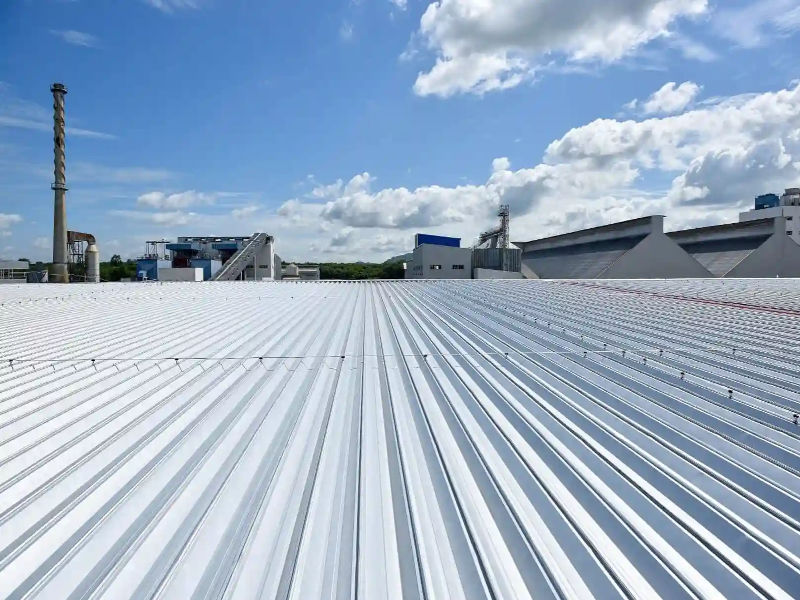
Common materials used include galvanized steel, aluminum, zinc, and copper, each offering different performance advantages. Popular panel styles include standing seam panels for watertight performance, exposed fastener systems for budget-friendly applications, and corrugated metal roof panels for industrial durability.
Unlike traditional commercial roofing materials, metal roofing systems are built for performance and longevity rather than short replacement cycles.
Key Benefits of Metal roofing for industrial buildings
One of the biggest advantages of Industrial-grade metal roofing is its exceptional lifespan. Properly installed metal roofs can last 40–70 years or more, far exceeding most traditional roofing systems. Durability is another major benefit. Metal roofs resist high winds, heavy rain, hail, and snow, making them ideal for industrial environments. They are also fire-resistant, adding an extra layer of safety for facilities housing equipment, inventory, or machinery.
Energy efficiency is another reason many businesses choose metal roofing systems. Reflective coatings reduce heat absorption, helping lower cooling costs and improve indoor comfort. Additionally, metal roofs are lightweight, reducing stress on the building structure, and they are fully recyclable, making them an environmentally responsible choice.
Cost Analysis: Is Industrial-grade metal roofing Worth It?
The upfront cost of Heavy-duty metal roofing is typically higher than traditional materials like asphalt or single-ply membranes. On average, costs range depending on metal type, panel profile, insulation, and installation complexity.
However, long-term savings often outweigh the initial investment. Metal roofs require minimal maintenance, have fewer repairs, and rarely need replacement. When compared to other commercial roofing materials, the return on investment (ROI) is significantly higher due to reduced energy costs and extended service life.
For business owners focused on total lifecycle cost rather than short-term savings, metal roofing delivers strong financial value.
Choosing the Right Industrial-grade Metal Roofing System
Selecting the right industrial metal roofing system depends on several factors, including local climate, building design, budget, and operational needs. Facilities in harsh weather regions may benefit from standing seam systems, while cost-conscious projects may opt for exposed fastener panels.
Material choice also matters. Steel offers strength and affordability, aluminum resists corrosion in coastal environments, and zinc provides self-healing properties for long-term protection. Panel profiles, insulation options, and fastening systems should all align with your facility’s function and performance goals.
Working with an experienced contractor ensures proper system selection and professional installation.
Final Thoughts
When durability, efficiency, and long-term savings matter, Heavy-duty metal roofing stands out as a smart investment for commercial and industrial buildings. With superior lifespan, low maintenance requirements, and strong energy performance, metal roofing systems provide lasting protection for your business.
If you’re planning a new installation or considering a roof replacement, consulting a professional can help you choose the right solution for your facility and maximize your return on investment. Contact us today to discuss your project, get expert guidance, and receive a customized roofing solution tailored to your building’s needs.
Join Our Community
Join our community on Facebook, and don’t forget to subscribe to us on YouTube for new content each week.
FAQs
1. What is an industrial metal roof system used for?
Industrial metal roofing is used on warehouses, factories, and commercial buildings needing long-lasting, weather-resistant roof systems.
2. How long does an industrial metal roof system last?
Most Industrial metal roof systems last 40–70 years or more with proper installation and minimal maintenance.
3. Is Metal roofing for industrial buildings energy efficient?
Yes. Reflective metal roofing reduces heat absorption, helping lower cooling costs and improve building efficiency.
4. Is industrial metal roofing fire-resistant?
Metal roofing is naturally fire resistant, making it a safer option for industrial and commercial facilities.
5. Is Heavy-duty metal roofing worth the cost?
While upfront costs are higher, long lifespan, low maintenance, and energy savings make it a strong long-term investment.