
Have you ever looked at your roof and wondered where all that rainwater actually goes during a hard Texas downpour? What happens when two roof slopes meet and thousands of gallons of water are funneled into one narrow area? That is exactly why roof valleys San Antonio homeowners rely on deserve far more attention than they usually get. They may look like a simple line running down your roof, but they are some of the hardest-working and most vulnerable parts of the entire roofing system.
What Exactly Is a Roof Valley?
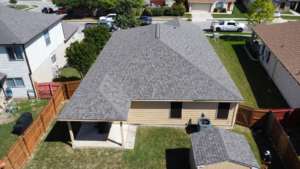
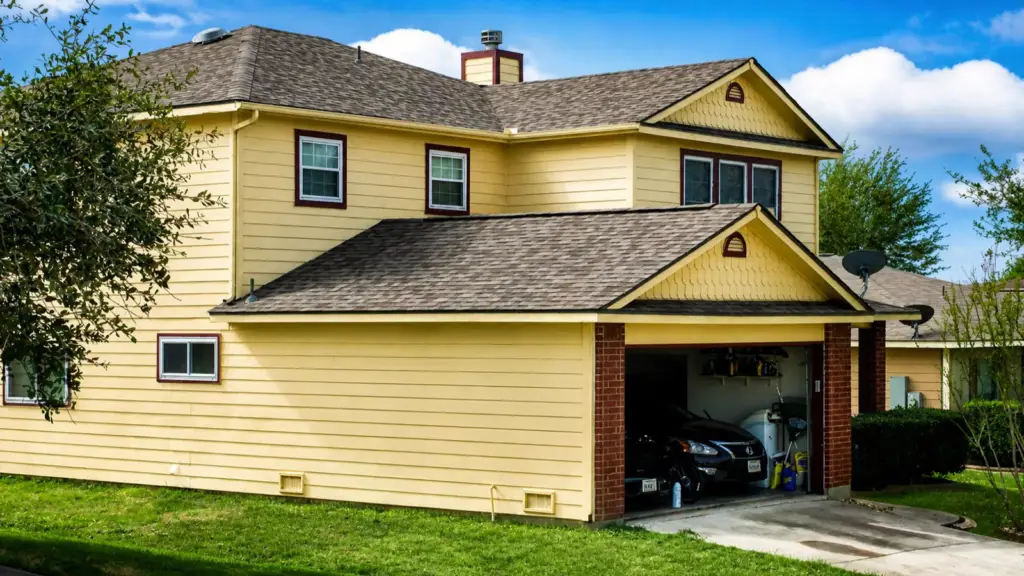
A roof valley is the inward angle formed where two sloped sections of a roof meet.
Because both roof planes direct water toward the same channel, valleys handle far more runoff than most other areas of the roof.
That makes roof valleys San Antonio homes depend on especially important during heavy rain.
Instead of rainwater spreading evenly across a broad section of shingles, much of it becomes concentrated in one path. The valley then has to carry that water toward the roof edge and gutter system without allowing moisture underneath.
This is why valley installation requires careful planning and precise workmanship.
Heavy San Antonio Rain Puts Valleys to the Test
San Antonio weather can change quickly.
A calm afternoon can turn into a heavy thunderstorm with intense rainfall in a short amount of time. During those storms, roof valleys become high-traffic drainage zones.
If the valley is installed correctly, water should move smoothly toward the gutter.
If debris blocks the path, flashing has deteriorated, or shingles are damaged, water can slow down or begin moving beneath the roofing material.
That is why roof valleys San Antonio homeowners have should be checked regularly, especially after severe storms.
One weak point in a valley can affect a much larger section of the roof.
Valleys Are Common Leak Locations
Roof valleys are more vulnerable than open roof surfaces because they combine multiple roofing planes, seams, and water flow.
Small installation mistakes may not cause problems immediately.
Over time, though, water can exploit tiny gaps.
Common valley problems include:
- Damaged shingles
- Worn flashing
- Improper underlayment
- Loose fasteners
- Cracked sealants
- Debris buildup
- Poor drainage
A professional inspection of roof valleys San Antonio properties rely on can help identify these concerns before they become interior leaks.
Waiting for a ceiling stain may mean the damage has already spread beyond the original problem area.
Underlayment Provides Critical Backup Protection
What happens if rain gets beneath the shingles in a valley?
That is where underlayment becomes especially important.
Roof underlayment acts as a secondary moisture barrier over the roof decking. In valleys, where water flow is concentrated, additional water-resistant materials may be used depending on the roofing system.
Properly installed underlayment helps protect the wood beneath the roof if the outer layer is compromised.
For roof valleys San Antonio homeowners want to last, every hidden layer matters.
The shingles may be the part you see, but the materials underneath often determine how well the roof handles unexpected water intrusion.
Debris Can Turn a Good Valley Into a Problem
Leaves, twigs, seed pods, pine needles, and other debris can collect in roof valleys.
This is especially common for homes surrounded by mature trees.
Once debris builds up, water may no longer flow freely.
Wet leaves can also hold moisture against roofing materials long after the storm has passed.
Routine maintenance of roof valleys San Antonio homeowners perform or schedule professionally can help prevent these blockages from becoming leak risks.
A clean valley dries faster and moves water more efficiently.
It is a simple part of roof maintenance that can make a big difference over time.
Hail Can Damage Valleys Too
Hail damage is often discussed in terms of shingles, but valleys can also take a beating.
Metal flashing may dent, shingles may lose protective granules, and repeated impacts can weaken roofing materials around the channel.
Because valleys already handle concentrated water flow, even minor hail damage deserves attention.
A post-storm inspection of roof valleys San Antonio homes have can help determine whether the roofing materials are still sealing and draining correctly.
The roof may look fine from the driveway while damage is hiding deeper in the valley.
Wind Can Lift Materials Around the Valley
Strong wind is another concern.
Gusts can loosen shingles, lift edges, and weaken seals near valleys and other roof transitions.
A shingle that moves slightly during a storm may settle back into place afterward, making the problem nearly impossible to see from the ground.
That is why professional roof inspections matter after severe weather.
When checking roof valleys San Antonio contractors should also evaluate the surrounding shingles and flashing, not just the center channel.
The valley depends on all nearby materials working together.
Open Valleys and Closed Valleys Perform Differently
Not every roof valley is built the same way.
Some roofs use open valleys, where metal flashing remains visible between the roofing materials.
Others use closed valleys, where shingles cover the valley area.
Both systems can perform well when installed correctly.
The best option depends on the roof design, roofing material, manufacturer guidelines, and installation details.
For homeowners researching roof valleys San Antonio, the important thing is not choosing one style simply because it looks better.
The right valley system should match the overall roof and handle the amount of water it will receive.
Poor Valley Installation Can Shorten Roof Life
Even premium roofing materials cannot compensate for poor workmanship.
Valley installation requires correct layering, overlapping, fastening, and flashing.
If shingles are cut incorrectly or fasteners are placed too close to the water channel, moisture can eventually find a way underneath.
That is why roof valleys San Antonio roofing professionals install should always follow proven installation methods and manufacturer requirements.
The valley should not be treated like just another part of the roof.
It is a high-stress area that deserves extra attention.
Gutters and Valleys Work Together
A roof valley does not finish its job until the water reaches the edge of the roof.
From there, gutters and downspouts need to carry that water safely away from the home.
If the gutter is clogged directly below a valley, water can overflow exactly where runoff is most concentrated.
That can affect fascia, siding, roof edges, and landscaping.
Keeping roof valleys San Antonio homes depend on clear is important, but so is maintaining the drainage system below them.
Good roofing performance depends on the entire water-management system working together.
Small Valley Problems Can Become Expensive Fast
The biggest danger with valley damage is how quickly moisture can travel.
Water may enter at one small point and move along decking or framing before becoming visible inside the home.
By the time you notice a stain on the ceiling, the original leak may have already affected insulation, wood, or drywall.
This is why roof valleys San Antonio homeowners overlook can become expensive repair areas.
Early inspection is often far easier and less costly than waiting for visible interior damage.
When Should Your Valleys Be Inspected?
You should consider a professional inspection if your roof has experienced:
- Recent hail
- Strong winds
- Heavy thunderstorms
- Tree debris buildup
- Recurring leaks
- An older roofing system
It is also smart to inspect roof valleys San Antonio properties have as part of routine roof maintenance, even when no obvious problem exists.
Preventive inspections give homeowners a chance to address small issues before another storm makes them worse.
Your Roof Is Only as Strong as Its Most Vulnerable Areas
Most homeowners focus on the broad sections of shingles they can easily see from the street.
But some of the most important roofing areas are smaller, harder to see, and far more exposed to concentrated water.
Roof valleys San Antonio homeowners rely on should move water quickly, stay properly sealed, and remain free of debris. When they stop doing any of those things, the entire roof can become more vulnerable.
What if the part of your roof carrying the most rainwater is also the part you have never had professionally checked? Schedule a roof inspection with SoTex Roofing and Exteriors and find out whether your valleys are still protecting your home or quietly becoming the weakest point before the next San Antonio storm arrives.