
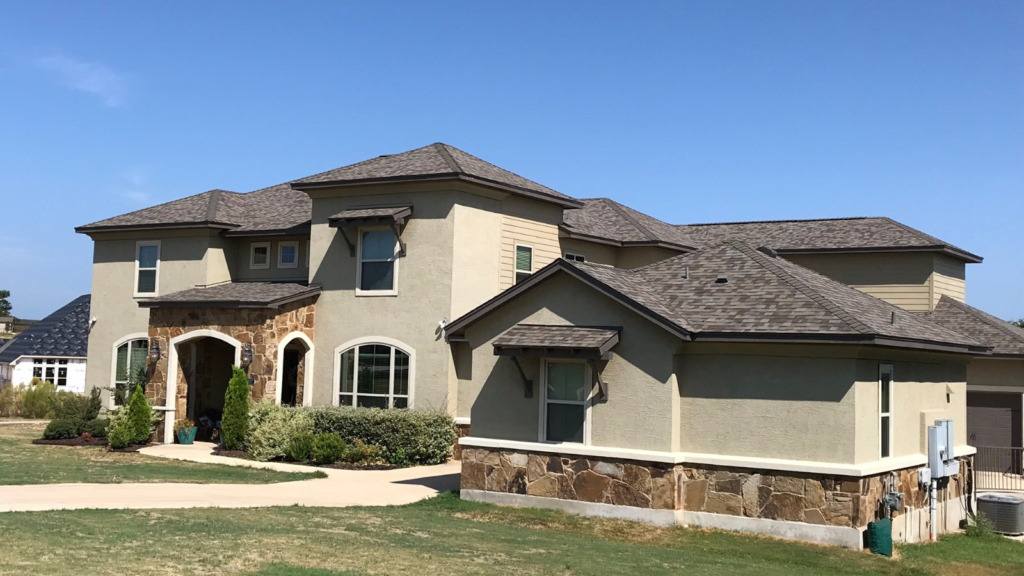
Does your home have multiple rooflines, valleys, dormers, chimneys, skylights, or sections that seem to disappear behind another slope? If so, how confident are you that every hidden corner is still doing its job? A beautiful, detailed roof can add character to a San Antonio home, but complexity also creates more places where water, wind, and heat can cause trouble. That is why a complex roof inspection San Antonio homeowners can rely on should look far beyond the shingles visible from the driveway.
Why Complex Roofs Require a Closer Look
A complex roof is not automatically a problematic roof.
When designed and installed correctly, it can perform beautifully for years. The challenge is that complicated rooflines create more intersections, seams, and transitions where water must be carefully controlled.
During a complex roof inspection San Antonio homes with detailed architecture need, a roofer should evaluate how these areas connect rather than simply checking the broad shingle surfaces.
A small flaw in one hidden section can allow moisture underneath the roofing system while the rest of the roof still looks perfectly healthy.
That is why a quick visual inspection from the ground is rarely enough.
Roof Valleys Can Hide Water Problems
Valleys are among the most important areas on any complex roof.
They form where two sloped roof sections meet, creating a channel that carries runoff toward the gutters.
During a heavy San Antonio downpour, valleys can handle a tremendous amount of water in a short period of time.
A complex roof inspection San Antonio homeowners schedule should examine valley shingles, flashing, underlayment, and signs of debris buildup.
If a valley becomes clogged or damaged, water may slow down, move sideways, or work underneath nearby roofing materials.
Because valleys are often tucked between larger roof sections, deterioration may not be obvious until a leak appears indoors.
Roof-to-Wall Connections Need Extra Attention
Many complex homes have sections where the roof meets an exterior wall.
These transitions depend heavily on properly installed flashing.
Flashing helps direct rainwater away from the joint instead of allowing it behind the siding or roofing materials.
A detailed complex roof inspection San Antonio roofing professionals perform should check whether these areas remain properly sealed.
Loose flashing, cracked sealant, or improper installation can create a pathway for moisture.
The problem may start with a small opening but eventually affect roof decking, insulation, siding, or interior walls.
Dormers Add Character and More Vulnerable Seams
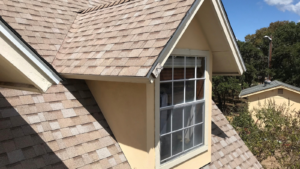
Dormers can make a home look distinctive, but they also introduce additional corners and flashing points.
Water has to move around the dormer without entering where vertical walls meet the roof.
Those areas deserve close attention during a complex roof inspection San Antonio homeowners request.
Leaks around dormers can be frustrating because the visible water stain inside the home may appear far from the actual entry point.
A roofer familiar with complex rooflines knows to trace water paths rather than assume the nearest shingle is responsible.
Chimneys and Skylights Can Become Leak Points
Any object that penetrates the roof creates a location where careful waterproofing matters.
Chimneys and skylights are two common examples.
They rely on flashing systems designed to move rainwater around the opening while preventing it from entering below.
During a complex roof inspection San Antonio homes with these features should have flashing, seals, nearby shingles, and surrounding drainage checked carefully.
The materials around these penetrations may expand, contract, or deteriorate at different rates.
That makes routine inspections especially valuable as the roof ages.
Different Roof Slopes Can Drain Differently
Complex homes often combine steep and lower-slope roofing sections.
These areas do not always handle water the same way.
Steeper sections tend to shed rain quickly, while lower slopes may allow water to move more slowly.
If runoff from a steep roof empties directly onto a lower section, that area may experience more concentrated water flow.
A professional complex roof inspection San Antonio homeowners trust should evaluate where water is being directed and whether those receiving areas are protected adequately.
Drainage problems are often less about how much rain falls and more about where the roof sends it.
Hidden Debris Can Hold Moisture
Branches, leaves, pine needles, and other debris tend to collect in areas where different roof sections meet.
These pockets may be difficult to see from the ground.
Once debris accumulates, it can trap moisture against roofing materials and slow drainage.
Routine complex roof inspection San Antonio services should include checking hard-to-see areas for buildup, especially when mature trees surround the home.
A roof may look spotless along its visible edges while damp debris is sitting behind a dormer or in a rear valley.
Keeping these areas clear helps the roofing system dry and drain more efficiently.
Wind Can Affect Complex Rooflines Differently
San Antonio storms do not hit every section of a roof with the same pressure.
Corners, ridges, hips, overhangs, and changes in roof height can experience different wind forces.
A shingle hidden behind a higher roof section may lift during strong wind and settle back afterward, leaving no obvious clue from below.
That is why a complex roof inspection San Antonio homeowners schedule after severe weather should include checking these high-stress zones for lifted shingles, weakened seals, damaged ridge caps, and loose flashing.
Storm damage does not need to remove a shingle completely to matter.
Hail Damage May Be Easy to Miss
Hail can strike multiple roof planes at different angles.
One slope may show obvious impact marks while another section appears untouched.
Certain valleys, ridges, metal flashing areas, and vents may reveal damage that the main roof surface does not.
During a complex roof inspection San Antonio properties receive after hail, the entire roof needs to be evaluated rather than assuming one section represents the condition of all the others.
This becomes especially important on homes with tall or intersecting rooflines where some surfaces are difficult to view safely.
Attic Clues Can Reveal Hidden Roof Problems
Sometimes the best evidence of a roof problem is not outside.
Accessible attic areas may reveal water stains, darkened decking, damp insulation, daylight around penetrations, or signs of condensation.
For a complex roof, tracing these clues can help identify which roof section may be allowing moisture inside.
A thorough complex roof inspection San Antonio homeowners depend on may include examining accessible interior areas when appropriate.
This can be particularly valuable when exterior damage is subtle but a homeowner has noticed musty odors or unexplained ceiling discoloration.
Repairs Can Be More Complicated on Detailed Roofs
A repair on a simple open roof section may be relatively straightforward.
Repairing a leak where several slopes, walls, and flashing systems meet can require much more planning.
That is why correctly diagnosing the problem before work begins is so important.
A quality complex roof inspection San Antonio roofing contractor performs should identify the source, surrounding conditions, and any nearby materials that also need attention.
Repairing only the most visible symptom can lead to the same leak returning after the next heavy rain.
The goal should be to solve the water-management problem, not simply cover it.
Your Roof May Look Fine From the Street and Still Need Attention
One of the biggest risks with a complex roof is false confidence.
From the driveway, you may see straight shingles, clean ridge lines, and no obvious missing materials.
But behind those visible surfaces could be a clogged valley, cracked flashing, loose shingle, damaged seal, or drainage issue you cannot see.
At SoTex Roofing and Exteriors, we believe a complex roof inspection San Antonio homeowners schedule should answer more than, “Are the shingles still there?”
It should evaluate how the entire roof is working together.
If your home has multiple slopes, valleys, dormers, skylights, chimneys, or additions, those architectural details deserve the same attention as the main roofing surface.