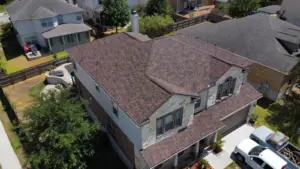

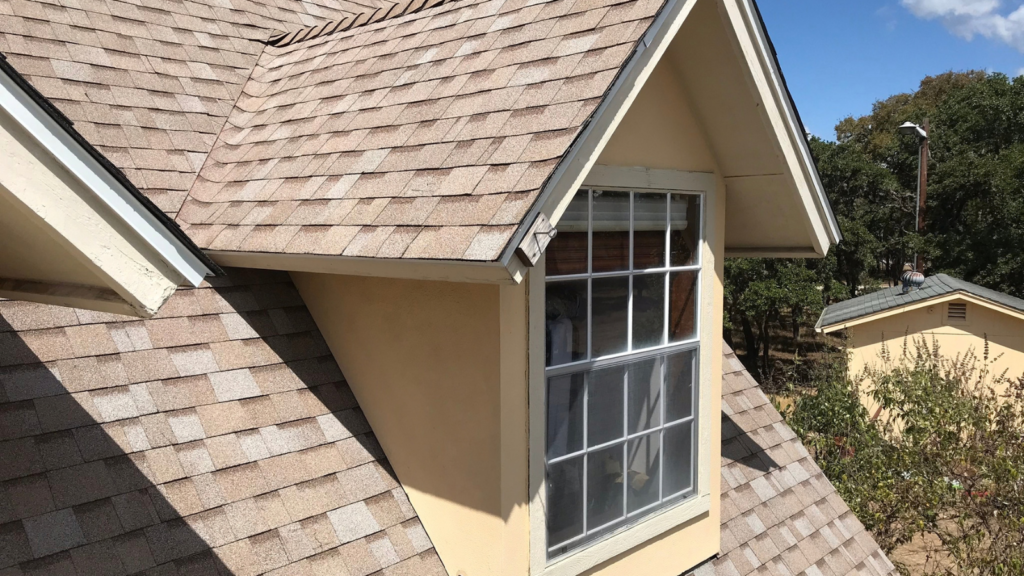
Does your dormer look perfectly fine from the driveway? What if water is already slipping behind the flashing, collecting near a sidewall, or damaging the roof deck where you cannot see it? Dormers add character, light, and usable space to a home, but they also create extra roof transitions where leaks can quietly begin. That is why a dormer roof inspection San Antonio homeowners can rely on matters, especially after years of Texas heat, strong winds, hail, and heavy rain.
Why Dormers Create More Vulnerable Roof Areas
A simple roof may have broad surfaces with fewer transitions.
Add a dormer, and the roofing system suddenly becomes more complicated.
Dormers create sidewalls, front walls, valleys, flashing intersections, and additional seams that all need to manage water properly.
A dormer roof inspection San Antonio homeowners schedule should evaluate all of these areas, not just the shingles around the dormer.
Every place where one material meets another becomes a potential weak point if installation, sealing, or maintenance is neglected.
That does not mean dormers are a problem by design. It simply means they require closer attention.
Flashing Is One of the Biggest Concerns
Flashing plays a major role in keeping water out around dormers.
Metal flashing is typically installed where the dormer walls meet the main roof surface. Its job is to direct water away from seams and prevent it from slipping underneath shingles or siding.
Over time, flashing may loosen, corrode, bend, or separate from surrounding materials.
During a dormer roof inspection San Antonio roofing professionals should examine step flashing, counter flashing, and other transitions carefully.
If flashing is missing or improperly installed, water may enter slowly without creating an obvious leak right away.
That is how a small exterior defect can become hidden wood damage later.
Dormer Sidewalls Can Hide Water Intrusion
One of the trickiest areas is where the dormer siding meets the roof.
This section must be carefully integrated with flashing so rainwater flows over the roofing materials instead of behind them.
If siding is installed too close to the roof surface, moisture can become trapped. If flashing is damaged, water can run behind the wall assembly.
A thorough dormer roof inspection San Antonio homes receive should include checking these sidewall transitions for signs of staining, deterioration, soft materials, or improper sealing.
From the driveway, everything may look normal.
Up close, the story can be very different.
Valleys Near Dormers Handle Extra Water
Dormers often create valleys where two roof sections meet.
Those valleys can carry a large amount of rainwater during a San Antonio thunderstorm.
Leaves, twigs, and debris may also collect in these channels, slowing drainage and keeping moisture against the roof longer.
During a dormer roof inspection San Antonio homeowners should expect the contractor to look closely at these areas.
Damaged shingles, worn valley materials, or debris buildup can increase the chance of water finding its way beneath the roofing system.
The more water an area handles, the more important proper drainage becomes.
Windows Can Become Part of the Roofing Problem
Dormer windows bring light into upper rooms, but they also introduce another place where water needs to be managed carefully.
The window itself may be properly installed, while flashing or siding around it develops problems over time.
Water can enter around trim, corners, or poorly sealed transitions before traveling downward into wall cavities or roof framing.
A professional dormer roof inspection San Antonio homeowners schedule should not stop at the roofline.
Inspectors may also look for signs of moisture around dormer windows, siding, trim, and nearby interior finishes.
Sometimes what looks like a window leak is actually a roofing or flashing issue higher up.
San Antonio Heat Can Break Down Sealants
South Texas heat can be hard on roofing materials.
Sealants around dormer transitions may dry, crack, or shrink after years of intense UV exposure and temperature changes.
That matters because homeowners often assume a line of caulk will permanently stop water.
In reality, sealants can age and eventually need maintenance.
A dormer roof inspection San Antonio contractors perform should evaluate whether sealants are still flexible and doing their job or whether they are masking a larger flashing problem.
Caulk should never be treated as a substitute for proper roof construction.
Wind Can Loosen Materials Around the Dormer
Dormers project outward from the main roof, which means they can experience wind differently than flatter roof surfaces.
Strong gusts can place extra pressure on shingles, siding, trim, and flashing around the dormer.
Materials may lift slightly during storms and settle back afterward, leaving damage that is hard to notice from below.
A dormer roof inspection San Antonio homeowners request after severe wind can identify loose shingles, exposed fasteners, shifted flashing, or siding problems before the next rain exposes them further.
The damage may be small today, but repeated weather can make it worse.
Hail Damage Can Be Easy to Miss
Hail can strike dormer roofs, sidewalls, flashing, vents, and trim from different angles.
Because the dormer contains more surfaces and transitions than a simple roof section, damage may not be obvious.
Hail can knock granules from shingles, dent flashing, crack siding, or weaken seals.
That makes a post-storm dormer roof inspection San Antonio homeowners can trust particularly valuable.
A roof may still look fine from the street while impact damage is hiding around one of the most complex parts of the system.
Interior Clues May Reveal a Dormer Leak
Sometimes the first warning sign appears inside the home.
Look for discoloration around dormer walls, ceiling corners, window trim, or attic framing.
Other warning signs may include:
- Peeling paint
- Musty odors
- Damp insulation
- Water stains
- Soft drywall
- Darkened wood
- Mold or mildew
A dormer roof inspection San Antonio roofing contractor performs can help trace these symptoms back to the actual source.
Water often travels along framing before becoming visible, so the stain you see may not be directly below the leak.
Small Dormer Problems Can Become Expensive
One reason dormer leaks are risky is that they may stay hidden for a long time.
Water can damage sheathing, framing, insulation, drywall, and siding before homeowners realize anything is wrong.
By the time an interior stain appears, the repair may involve more than roofing materials.
Preventive dormer roof inspection San Antonio services can help catch those problems while they are still easier to manage.
A small flashing repair today may prevent a much more complicated wall or roof repair later.
When Should Your Dormer Be Inspected?
You should consider an inspection if your home has recently experienced hail, strong winds, heavy rain, or falling debris.
It is also wise to schedule an evaluation if the roof is getting older, you notice staining near dormer walls, or you simply do not know when those areas were last checked.
Routine dormer roof inspection San Antonio homeowners schedule can be especially useful before storm season or when planning a roof replacement.
Inspecting early gives you time to make informed decisions instead of reacting to an active leak.
Your Dormer May Be Telling You More Than You Think
Dormers add beauty and character to a home, but every extra roof transition creates another place where water has to be controlled correctly.
A dormer roof inspection San Antonio homeowners rely on should examine flashing, sidewalls, valleys, shingles, windows, sealants, and interior signs of moisture as one complete system.
If your dormer has made it through years of heat, hail, wind, and rain without being closely inspected, there may be more happening around it than you realize.
What if the most vulnerable part of your roof is the one you have never been able to see clearly from the ground? Schedule a professional roof inspection with SoTex Roofing and Exteriors and find out whether your dormer is still protecting your home or quietly hiding the next place a leak could begin.